


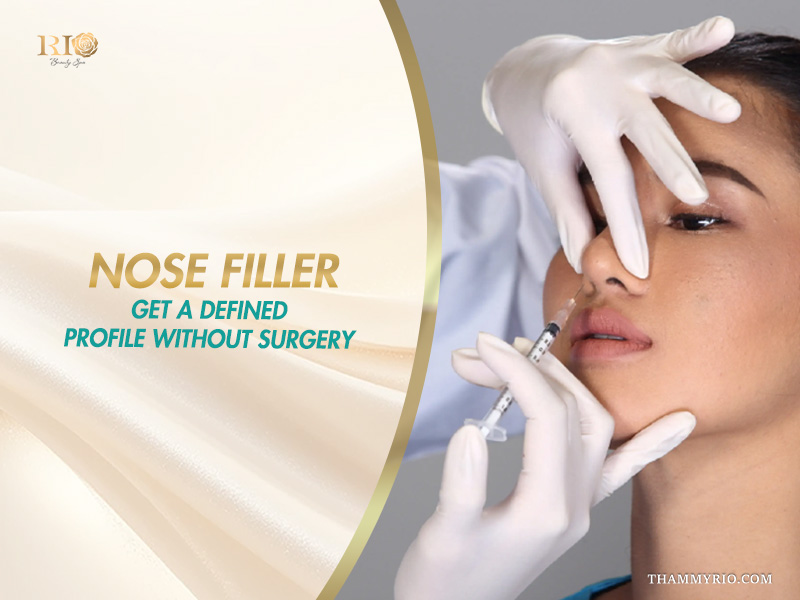
Achieving a balanced and harmonious facial profile no longer requires going under the knife. A nose filler offers a modern, minimally invasive alternative to traditional rhinoplasty, allowing you to smooth bumps, elevate the nasal bridge, and refine the tip with subtle precision. If you are looking to enhance your central feature without extensive downtime, non-surgical nose reshaping provides a practical and effective solution.
What is a non-surgical rhinoplasty filler?
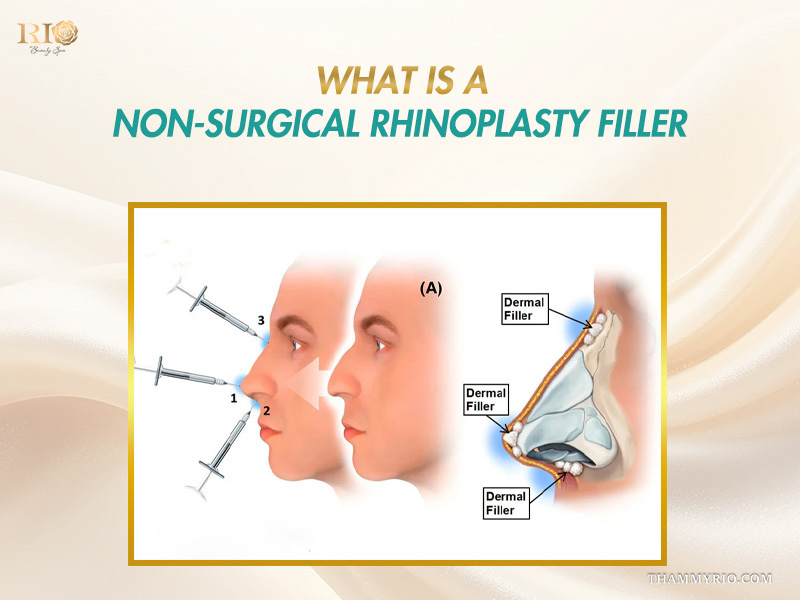
A non-surgical rhinoplasty filler involves injecting gel-like dermal substances into specific areas of the nose to adjust its shape, symmetry, and height. Unlike invasive surgery, this procedure focuses on adding volume strategically to conceal minor imperfections rather than removing cartilage or bone.
Active ingredients in nose filler injections
The most common substances used in nose filler injections are temporary, biocompatible gels designed to integrate naturally into human tissue:
- Hyaluronic acid (HA): The gold standard in facial cosmetics. HA naturally exists in human skin, binding moisture and providing structure. It allows for precise shaping and carries the safety benefit of being reversible with hyaluronidase.
- Calcium hydroxylapatite (CaHA): A denser formulation containing calcium microspheres suspended in a smooth gel. It provides robust support for structural definition and encourages natural collagen production over time.
Who is an ideal candidate for non-surgical rhinoplasty?
This non-surgical procedure is well-suited for individuals seeking aesthetic improvements without permanent alterations:
- Minor dorsal humps: Smooths out small bumps along the nasal bridge to create a straighter appearance.
- Asymmetry: Corrects minor unevenness or subtle deviations in the nasal bridge.
- Flat nasal bridge: Builds volume and height for a more contoured profile.
- Drooping or flat tip: Provides a subtle lift to the tip of the nose.
- Post-rhinoplasty refinement: Touches up small irregularities following a prior surgical procedure.
For individuals seeking balance across other facial areas, combining treatment with chin filler or jawline filler can further harmonize the lower profile.
Key benefits of nose fillers for profile enhancement
Opting for non-surgical contouring brings several distinct advantages over traditional surgical procedures, making it an appealing choice for busy lifestyles.
Fast-acting outcomes requiring no operational downtime
Unlike surgical rhinoplasty, which demands weeks of recovery, splints, and noticeable swelling, nose fillers deliver visible results right after the session. Most individuals resume work and daily routines immediately after leaving the clinic. Minor localized swelling or faint redness usually resolves within a couple of days.
Customizable contouring for natural bridge correction
Dermal fillers allow the practitioner to control the exact volume inserted, building structure incrementally. This ensures a tailored outcome that aligns with your unique facial proportions. Whether you want to accentuate your central profile or complement surrounding features like cheek filler or nasolabial fold filler, the treatment adjusts dynamically to your goals.
Potential risks and side effects of nose filler injections
While non-surgical nose reshaping is minimally invasive, understanding potential risks is essential for a safe experience.
Typical short-term side effects following the procedure
Mild reactions at the injection site are normal and usually fade quickly:
- Slight localized redness and tender swelling
- Mild bruising close to where the needle entered
- A temporary feeling of tightness around the nasal bridge

Rare complications and how to prevent them
Because the nose contains a complex network of blood vessels, improper technique can lead to rare but severe issues such as vascular occlusion or tissue necrosis.
To lower your risk of severe dermal filler complications:
- Choose an experienced, licensed medical practitioner with extensive facial anatomy knowledge.
- Ensure the provider uses FDA-approved hyaluronic acid fillers.
- Confirm that the clinic keeps emergency reversing agents (hyaluronidase) on site.
- If severe complications occur, seeking prompt filler dissolving can safely reverse the hyaluronic acid.
For broader aesthetic inquiries, exploring comprehensive aesthetic resources like Rio Beauty Clinic can provide additional clarity on aesthetic safety.
The step-by-step nose filler injection process
A standard treatment follows a structured medical procedure to ensure comfort and safety:
- Clinical consultation: The practitioner evaluates your nose structure, discusses your aesthetic goals, and reviews your medical history.
- Preparation and numbing: The skin is cleansed thoroughly, and a topical numbing cream is applied to minimize discomfort during the procedure.
- Targeted injection: Using a fine needle or micro-cannula, the practitioner carefully places small amounts of gel along the nasal bridge or tip.
- Molding and symmetry check: The gel is gently sculpted to ensure smooth contours and even distribution.
- Post-treatment care guidance: After-care instructions are reviewed to protect the filler while it settles.
How long do nose fillers last?
Results are temporary because the body gradually breaks down and absorbs the active ingredients over time.
Average lifespan of different dermal fillers
- Hyaluronic acid fillers: Typically last between 6 and 12 months in the nose region.
- Calcium hydroxylapatite fillers: Can maintain structure for 12 to 18 months due to higher density.

For other areas of the face and body—such as lip filler, under eye filler, temple filler, or structural options like body filler, breast filler, and butt filler—duration varies according to movement and tissue density.
Key factors affecting nose filler longevity
- Metabolic rate: Individuals with faster metabolisms break down filler gel more rapidly.
- Product density: Thicker formulations degrade slower than lighter gels.
- Facial movement: The nasal bridge experiences less movement than the lips, helping the product last longer.
- Aftercare adherence: Avoiding heavy pressure, intense heat, and strenuous exercise during the first few days preserves filler structure.
When to consult a doctor for safe nose filler treatment

Scheduling a professional medical consultation is the crucial first step if you are considering non-surgical reshaping. A qualified medical professional will assess whether your anatomical structure is suited for dermal injections or if a surgical approach would be more effective. If you notice unusual pain, skin blanched white, or asymmetry during recovery, consult your clinician immediately.







I truly appreciate your technique of writing a blog. I added it to my bookmark site list and will
This was beautiful Admin. Thank you for your reflections.