



Over the years, dermal fillers have emerged as a globally leading choice among non-invasive aesthetic procedures.They help restore lost volume, smooth out wrinkles, and enhance facial contours with minimal downtime. However, like any aesthetic procedure, injectables carry inherent risks that patients must understand. Recognizing potential dermal filler complications early ensures prompt treatment and protects your overall health and cosmetic appearance.
Common side effects and severe filler complications
Most individuals experience minor post-injection reactions that resolve naturally within a few days. Distinguishing between normal skin recovery and serious medical issues is vital for every patient.
Normal temporary side effects after filler injections
Mild reactions immediately following treatment are typically harmless and temporary. These expected filler side effects usually fade within 3 to 7 days and include:
- Mild swelling and localized redness: Standard physiological responses around treatment sites like lip filler or chin filler.
- Minor bruising and tenderness: Common when injections occur near small facial blood vessels, such as during under eye filler or cheek filler procedures.
- Slight itching or tightness: Natural signs of skin adjustment to the injected product.
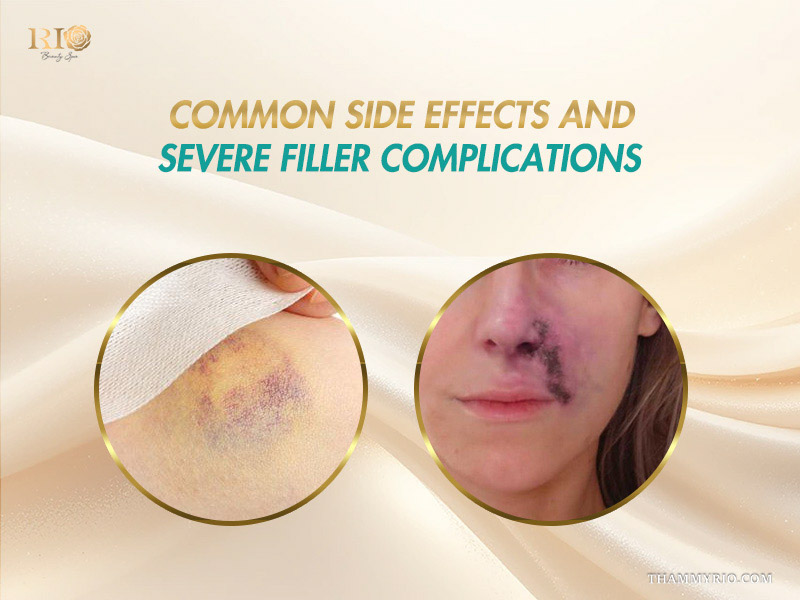
Severe dermal filler complications requiring urgent care
While rare, severe dermal filler risks require swift medical intervention to prevent long-term damage. Major complications include:
- Vascular occlusion: This condition happens if dermal filler inadvertently infiltrates or applies pressure to a blood vessel. Blocked blood flow can lead to skin necrosis (tissue death). This is a critical concern in vascular-dense zones like nasolabial fold filler, nose filler, and temple filler.
- Infections and late-onset granulomas: Bacterial contamination can cause localized swelling, heat, or delayed inflammatory nodules months after treatment.
- Asymmetry and tissue displacement: Poor placement or inappropriate filler density can cause migration, creating unnatural contours along areas like the jawline filler zone.
- Vision impairment or stroke: Extremely rare cases where filler material enters arteries connected to the ophthalmic system.
Primary causes of dermal filler risks and adverse events
Understanding why filler complications happen helps patients make informed decisions and avoid high-risk environments.
Unqualified practitioners and incorrect injection techniques
The practitioner’s expertise is the most crucial factor in safety. Injections performed by untrained personnel often lead to serious complications due to:
- Lack of detailed anatomical knowledge regarding facial nerves and blood vessels.
- Incorrect injection depth, such as placing hyaluronic acid too superficially or inside a vessel.
- Administering an overly large amount within one treatment.
Low quality products and improper post treatment care
Substandard products and poor post-procedure hygiene significantly increase complication rates:
- Unapproved or counterfeit substances: Using unregulated gels or non-certified materials can provoke severe immune responses or permanent tissue damage. Large volume injections, such as breast filler or butt filler, carry exceptionally high risks when uncertified fillers or permanent industrial substances are used.
- Inadequate post-care: Touching injection sites with unwashed hands, applying heavy makeup too early, or exposing treated skin to high heat can induce bacterial infections.
Emergency actions when experiencing dermal filler side effects
Taking immediate and precise action when adverse signs appear can prevent permanent structural or cosmetic damage.
Immediate signs that require emergency medical attention
Contact a qualified medical professional immediately if you notice any of the following emergency indicators:
- Blanching or pale skin: White, mottled, or dusky discoloration near the injection site accompanied by severe, persistent pain (a key sign of vascular blockage).
- Spreading redness and heat: Signs of expanding bacterial infection or abscess formation.
- Sudden vision changes: Blurred vision, double vision, or eye pain requiring immediate emergency medical care.
Professional treatments for managing filler complications
Medical professionals use standardized clinical protocols to reverse or correct complications effectively:
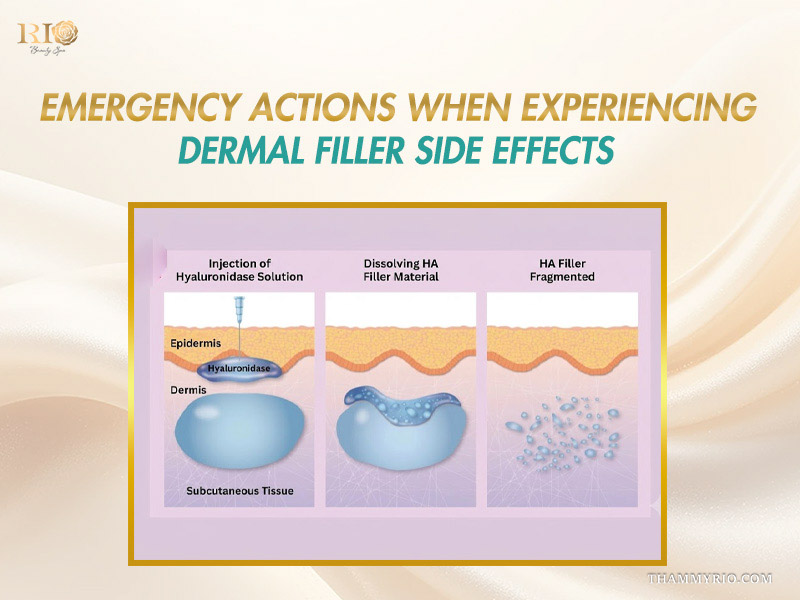
- Hyaluronidase administration: An enzyme used in filler dissolving procedures to rapidly break down hyaluronic acid fillers during vascular emergencies or to correct unsatisfactory results.
- Antibiotic or steroid therapy: Prescribed to clear bacterial infections or manage late-onset inflammatory granulomas.
- Medical observation and wound care: Specialized treatments to promote healing and tissue recovery if skin compromise occurs.
Unlock your aesthetic potential with expert consultations and state-of-the-art dermatological procedures custom-crafted for your skin type by exploring Rio Beauty Clinic.
Proven ways to minimize dermal filler risks effectively
Minimizing risks begins long before the syringe touches your skin. Following structured safety steps protects your aesthetic outcome.
Choosing certified injectors and approved filler products
Always prioritize patient safety over price promotions when seeking cosmetic treatments:
- Select licensed, board-certified doctors or experienced cosmetic specialists who possess deep knowledge of facial anatomy.
- Verify that the clinic uses authentic, FDA-cleared, or CE-marked hyaluronic acid products.
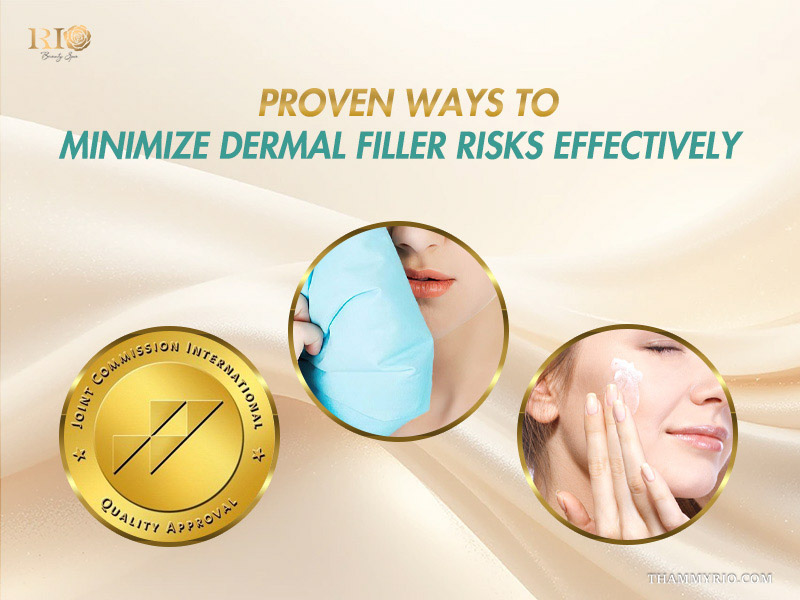
- Choose medical centers that adhere to high safety standards, such as those demonstrated.
Following essential pre injection and post care guidelines
Adhering to strict care protocols drastically reduces adverse events:
- Pre-treatment preparation: Avoid blood-thinning medications, aspirin, and alcohol for at least 24 to 48 hours prior to your session to reduce bruising risks.
- Post-treatment care: Keep injection areas clean, avoid strenuous exercise, stay away from saunas for 48 hours, and follow all practitioner instructions carefully.
Understanding dermal filler complications equips patients with the knowledge needed to prioritize safety, recognize warning signs early, and select qualified medical professionals. When performed with legitimate products by certified practitioners, dermal fillers offer reliable and satisfying cosmetic enhancements. If you are considering cosmetic injectables or wish to evaluate your current treatment plan, consult a certified aesthetic specialist to ensure safe, effective results. Learn more about advanced aesthetic care and dermal filler complications guidelines to protect your health and beauty journey.


Có thể bạn quan tâm:
Stop guessing your healed microblading outcome today
Seeing your final healed microblading eyebrows takes patience and proper care.
Can tattoo removal leave scars? Discover the truth
Regretting a piece of ink often leads to one primary concern:
Scar treatment methods you need to know now
Finding the right scar treatment methods is essential for individuals seeking
Scar treatment process guide: Secret to fast results
Navigating skin restoration requires a clear, structured roadmap. Understanding the standard
Top scar treatment clinic in Hanoi: How to choose
Finding a reliable scar treatment clinic in Hanoi requires careful evaluation
3 best lip neutralization near me in Hanoi
Finding a trusted aesthetic studio changes your appearance significantly, prompting the