



Choosing a non-surgical approach to enhance body contours has become increasingly popular in modern aesthetics. While dermal filler for breasts can refine subtle asymmetries and restore lost fullness, understanding safety protocols, clinical realistic expectations, and proper procedure workflows is essential before making any treatment decision.
What you should know about getting breast filler injections
A breast filler injection is a minimally invasive cosmetic treatment designed to add volume, improve symmetry, or contour the cleavage area without surgery. Practitioners typically use specialized hyaluronic acid formulas or biocompatible bio-stimulators to achieve subtle adjustments.
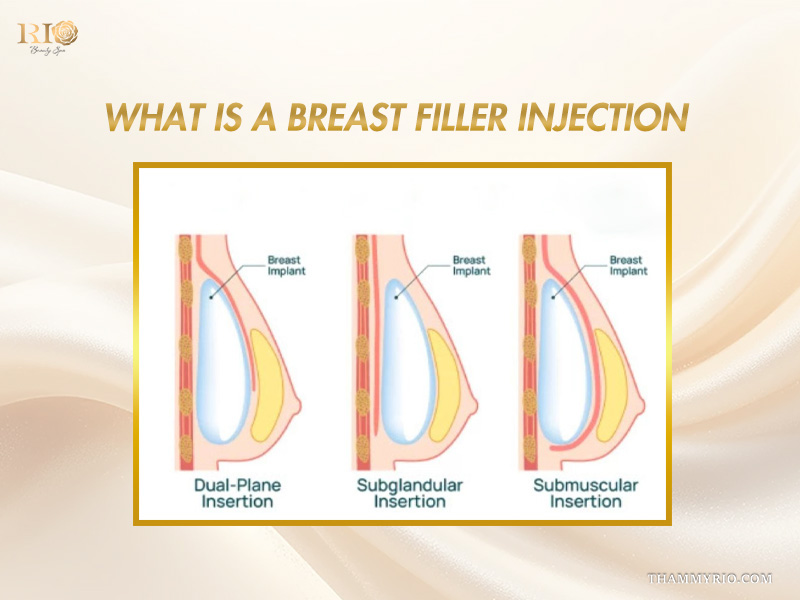
Unlike traditional facial treatments like lip filler, chin filler, or cheek filler, body contouring demands significant volume and precise depth placement. Patients seeking localized enhancement often select this approach to avoid extensive surgery and lengthy recovery periods.
Key benefits of breast fillers
Many individuals explore breast fillers as a flexible, lower-downtime alternative to traditional surgical interventions. Key advantages include:
- Minimally invasive approach: Performed using fine needles or cannulas, leaving no surgical scars.
- Targeted symmetry adjustment: Ideal for correcting minor volume differences between breasts.
- Immediate visual results: Enhancements in shape and cleavage definition are noticeable right after the procedure.
- Fast recovery: Most patients resume standard daily activities within 24 to 48 hours.
- Reversibility: When hyaluronic acid formulations are utilized, the treatment can be managed using filler dissolving protocols if needed.
For those already familiar with facial balancing procedures like nasolabial fold filler, temple filler, or under eye filler, body treatments offer similar quick turnarounds with localized volume adjustments.
How do breast fillers compare to traditional breast implants?
Deciding between breast filler injections and surgical implants depends largely on individual aesthetic goals, budget, and long-term expectations.
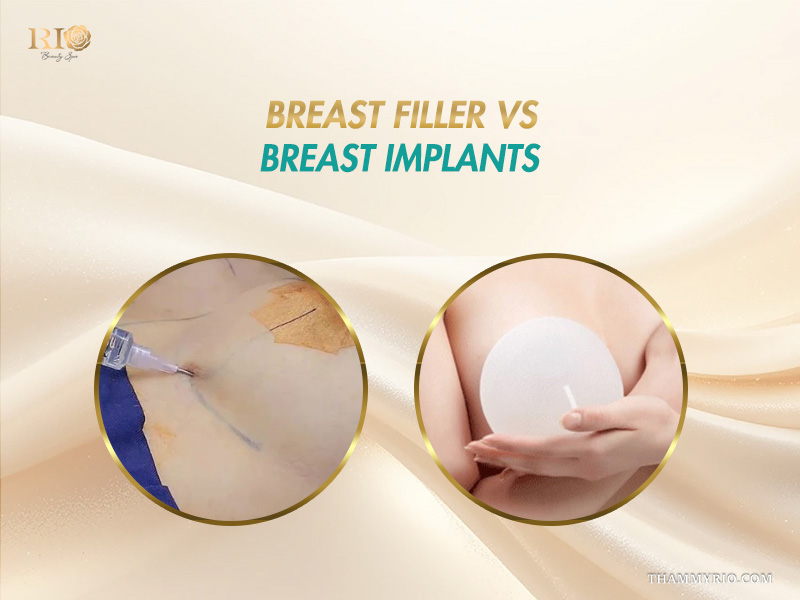
| Feature | Breast Fillers | Breast Implants |
| Invasiveness | Non-surgical (Injections) | A surgical operation performed while the patient is under anesthesia |
| Volume Change | Subtle to moderate | Moderate to significant |
| Downtime | 1–2 days | Several weeks |
| Longevity | 12–24 months | 10–15+ years |
| Scarring | Minimal to none | Permanent surgical incisions |
Comparison of longevity and effectiveness
Surgical implants provide substantial volume increases that last for over a decade. In contrast, breast augmentation filler delivers subtle, natural-looking refinement lasting between 12 and 24 months as the body gradually metabolizes the product.
Evaluating expenses against risk profiles
While initial upfront costs for body fillers may seem lower than surgery, maintaining results requires periodic re-injections, making long-term costs comparable. Regarding safety, implants involve surgical risks such as capsular contracture, while fillers carry distinct risks related to product migration and vascular safety.
Risks and side effects of breast filler injections
Although breast filler injections bypass major surgery, they carry explicit medical risks that require qualified clinical oversight.
Common temporary side effects
- Mild swelling and localized redness around injection points.
- Mild soreness or slight skin discoloration may occur briefly.
- Slight unevenness may occur while it initialises and settles.
Severe complications and health warnings
In rare instances, improper injection technique or low-grade products can cause serious health hazards. Major concerns include tissue necrosis, chronic infection, product migration, and vascular occlusion. Medical research published in the National Center for Biotechnology Information (NCBI) highlights that large-volume fillers in breast tissue can complicate mammogram screenings, potentially obscuring early cancer detection. Addressing severe vascular or tissue complications requires specialized medical protocols similar to managing dermal filler complications.
An overview of the breast filler treatment process
A standardized treatment protocol ensures patient safety and optimal aesthetic outcomes:
- Initial clinical consultation: Evaluating tissue quality, medical background, and aesthetic goals.
- Mapping and cleansing: Marking injection zones precise to anatomical structures and sanitizing the skin thoroughly.
- Local anesthesia: Applying topical or local numbing agents to ensure patient comfort.
- Controlled injection: Injecting dermal filler for breasts using blunt-tip cannulas into designated tissue planes.
- Post-procedure care: Applying cold compresses and providing detailed aftercare instructions.
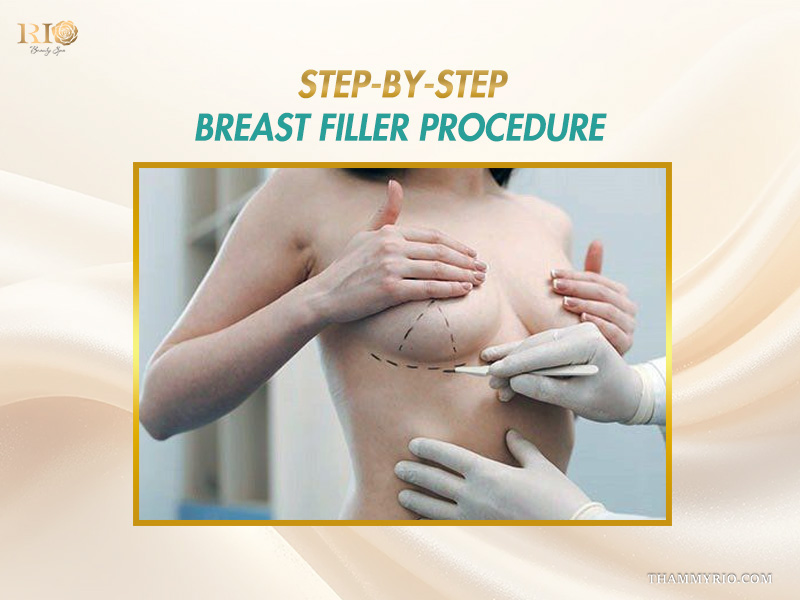
This structured methodology mirrors safety standards used in structural facial contouring like jawline filler, nose filler, and butt filler.
When to see a doctor for breast fillers consultation
Consulting a board-certified plastic surgeon or licensed medical practitioner is necessary prior to undergoing any body contouring treatment. Professional medical guidance helps determine whether your anatomical structure is suitable for filler injections or if surgical alternatives are more appropriate. Furthermore, if you experience severe pain, persistent skin discoloration, or signs of infection post-treatment, seek immediate medical evaluation.
Understanding the anatomical balance, medical requirements, and realistic outcomes of breast filler treatments allows you to make safe, informed choices for your body contouring journey. Always prioritize health, verified products, and qualified medical practitioners over low-cost shortcuts.
To learn more about high-standard aesthetic treatments, clinical protocols, and specialized solutions, visit the Rio Beauty Clinic official portal.



Có thể bạn quan tâm:
Nose filler: Get a defined profile without surgery
Achieving a balanced and harmonious facial profile no longer requires going
2 Comments
Breast filler safety and complete guide
Choosing a non-surgical approach to enhance body contours has become increasingly
Jawline fillers: Sculpt your jaw with instant results
Achieving a structured lower face without surgery has become one of
Filler dissolving: Complete guide and safety tips 2027
Dermal fillers offer a non-surgical solution to restore volume and refine
Dermal filler complications: Risks and critical warning signs
Over the years, dermal fillers have emerged as a globally leading
Butt filler guide for non-surgical augmentation
Achieving a fuller, more defined rear contour no longer requires invasive