


Achieving fuller, well-defined lips has become one of the most requested cosmetic enhancements today. Choosing lip filler treatments allows individuals to restore volume, enhance lip symmetry, and smooth out fine lines around the mouth. This guide explores how lip fillers work, the primary options available, what to expect during treatment, and how to maintain optimal results safely.
Understanding what a lip filler is and why people use it
Plump and balanced lips contribute significantly to facial harmony. Selecting a dermal filler for lips offers a non-surgical solution designed to subtlely transform your lip contour and volume with minimal downtime.
The science behind dermal filler for lips
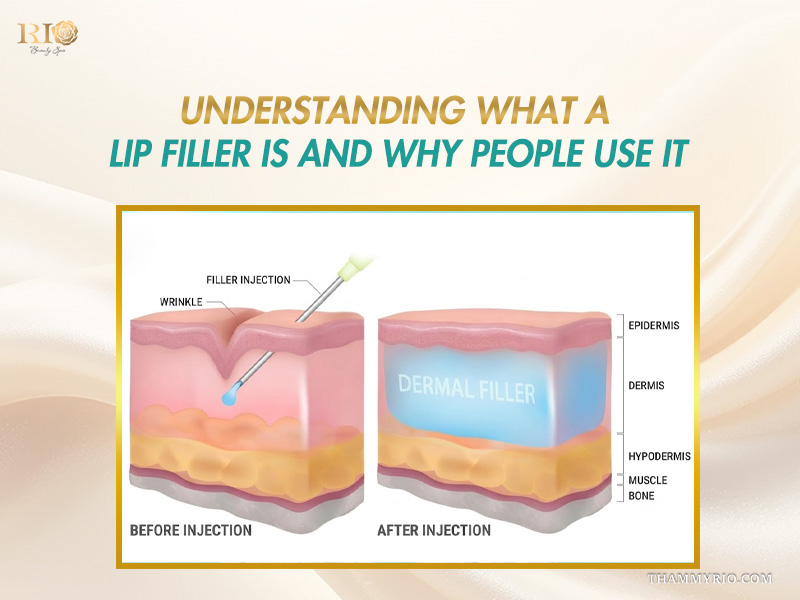
Dermal fillers are injectable formulations designed to add volume and restore youthful contouring to facial tissue. When injected into the lip structure, these soft gels integrate into the underlying tissue layers. They attract and hold water molecules, providing structural support while keeping the lips feeling soft, natural, and hydrated.
Common reasons for choosing a lip augmentation filler
People consider a lip augmentation filler for a variety of aesthetic and practical reasons:
- Restoring lost volume: Natural aging causes lips to thin over time as collagen and elastin production decreases.
- Correcting asymmetry: Fillers help balance disproportionate top or bottom lips.
- Enhancing definition: Treatment can emphasize the Cupid’s bow or refine subtle lip borders.
- Smoothing perioral lines: Injections minimize vertical lines caused by smiling, smoking, or natural facial expressions.
If you are exploring facial balance beyond the lips, subtle adjustments in surrounding areas can complement your overall appearance, such as targeted chin filler or contouring through cheek filler.
Popular types of lip fillers available in the market
Selecting the appropriate product material is essential for achieving a natural feel and long-lasting aesthetic enhancement.
Hyaluronic acid lip filler injections
Hyaluronic acid (HA) stands out as the gold standard material for lip filler injections. Naturally present in human skin, HA is biocompatible, clear, and gel-based.

- Reversibility: HA-based treatments offer unique peace of mind because they can be dissolved using an enzyme called hyaluronidase. If you ever require adjustive treatment, specialized filler dissolving procedures can safely reverse the effects.
- Natural movement: Modern HA formulations flexibility integrate into dynamic tissue, allowing natural expression when talking or smiling.
- Popular brands: Leading FDA-approved brands include Juvéderm (e.g., Ultra XC, Volbella) and Restylane (e.g., Kysse, Silk). For clinical standards and safety guidelines, you can review research from authority sources such as the U.S. Food and Drug Administration (FDA).
Collagen and other alternative lip fillers
While hyaluronic acid dominates the modern market, other materials have historically existed or serve specific purposes:
- Collagen: Widely used in earlier decades, bovine or human-derived collagen requires allergy testing and generally offers shorter duration compared to HA.
- Poly-L-lactic acid or Calcium Hydroxylapatite: These semi-permanent biostimulators are frequently reserved for structural facial areas—such as jawline filler or temple filler—rather than delicate lip tissue.
- Autologous fat transfer: A surgical alternative where fat is harvested from another body region and injected into the lips, offering longer-lasting results but requiring surgical harvesting.
Pros and cons of getting lip filler injections
Evaluating both benefits and potential disadvantages helps ensure realistic expectations before undergoing treatment.
Main benefits of a lip filler treatment
Choosing a dermal filler for lips provides multiple distinct advantages:
- Immediate visible results: Lip shape and fullness improve immediately following the injection process.
- Customizable outcomes: Qualified practitioners can adjust injection volume precisely to match individual goals, from subtle hydration to noticeable fullness.
- Minimal downtime: Most individuals resume routine daily activities shortly after leaving the appointment.
- Gradual fading: Because HA degrades naturally, you retain control over whether to maintain or adjust your look over time.
Potential risks of dermal filler for lips
While generally well-tolerated, lip enhancement carries potential side effects:
- Temporary swelling and bruising: Mild localized swelling, redness, and bruising are normal initial responses.
- Asymmetry or unevenness: Minor discrepancies can occur as swelling settles unevenly during the initial healing days.
- Vascular compromise: Rare but serious complications occur if filler accidentally enters a blood vessel. Understanding dermal filler complications helps patients recognize warning signs early and seek qualified medical intervention promptly.
The complete procedure for lip filler injections
Knowing what happens step by step helps reduce anxiety and ensures optimal healing.
How to prepare for your lip augmentation filler appointment
Proper preparation minimizes bruising and promotes smooth healing:
- Avoid blood-thinning medications or supplements (such as aspirin, ibuprofen, fish oil, and vitamin E) for 3 to 7 days before treatment under medical guidance.
- Refrain from alcohol consumption for at least 24 to 48 hours prior to your visit.
- Stay well-hydrated and ensure your lips are free from active cold sores or skin infections.
What happens during the lip filler procedure
The clinical procedure typically takes 30 to 45 minutes:
- Consultation & Mapping: The clinician assesses lip structure, discusses goals, and marks injection points.
- Topical Numbing: A topical anesthetic cream is applied for 15 to 20 minutes to enhance comfort.
- Precision Injection: The practitioner carefully injects small amounts of filler using micro-needles or a blunt cannula.
- Gentle Sculpting: The clinician gently massages the tissue to shape the filler evenly and prevent lump formation.
Aftercare and recovery steps for lip fillers
Following accurate aftercare instructions preserves your final result:
- Apply cold compresses wrapped in cloth intermittently to manage localized swelling.
- Avoid strenuous exercise, saunas, and intense heat for 24 to 48 hours.
- Keep hydrated and avoid pressing or aggressively rubbing your lips.
- Refrain from using straws or puckering lips tightly during the first two days to prevent displacement.
Longevity and maintenance of your lip filler
Understanding how long filler lasts assists in planning timely touch-up visits.
How long does a typical lip filler last
On average, hyaluronic acid lip filler injections last between 6 to 12 months. The exact duration depends on several key factors:
- Metabolism rate: Individuals with faster metabolic rates break down HA gels more rapidly.
- Product formulation: Highly cross-linked fillers last longer than softer, thinner gels.
- Lip movement: Because lips move constantly during speaking and eating, filler in this region degrades slightly faster than in static areas like nasolabial fold filler or under eye filler.

Tips to make dermal filler for lips last longer
While natural degradation is inevitable, these practical habits support longevity:
- Maintain steady hydration: Drink plenty of water to help HA molecules maintain their plump structure.
- Protect against UV rays: Apply SPF lip balm daily to prevent sun damage from breaking down filler material prematurely.
- Follow healthy lifestyle habits: Avoid smoking and manage stress levels, as oxidative stress can accelerate product breakdown.
- Schedule timely touch-ups: Scheduling conservative maintenance appointments before the filler fully disappears preserves shape smoothly.
When to consult a doctor about lip fillers
Selecting a certified medical professional with extensive anatomical knowledge is critical for safe outcomes. Consult a qualified doctor immediately if you experience severe pain, unusual skin blanching (whitening), persistent asymmetry after two weeks, or signs of infection such as localized fever and increased redness. Professional consultation ensures your aesthetic journey remains safe, effective, and tailored to your individual anatomy.


Có thể bạn quan tâm:
Lip filler injections: types, procedure, and longevity
Achieving fuller, well-defined lips has become one of the most requested
Chin filler injections: Safe non-surgical augmentation
Achieving a balanced facial profile no longer requires invasive cosmetic surgery.
Cheek filler injections: The complete midface guide
Restoring lost volume in the midface area has become one of
Tiêm filler có tự tan không? Bao lâu tan hết?
Nhiều chị em khi mới tiếp cận phương pháp làm đẹp
Chất làm đầy Restylane của nước nào? Nguồn gốc và lưu ý
Trong ngành thẩm mỹ, việc lựa chọn sản phẩm có nguồn
Filler Mizain có tốt không? Cập nhật các lưu ý quan trọng
Nhu cầu làm đẹp bằng chất làm đầy (filler) ngày càng