


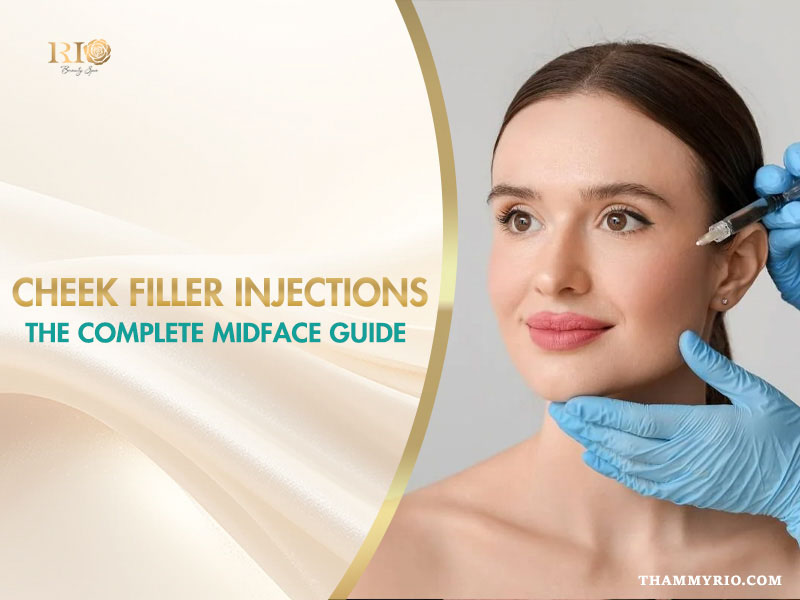
Restoring lost volume in the midface area has become one of the most popular non-surgical cosmetic procedures today. Cheek filler injections offer a targeted solution to replenish volume, lift sagging tissues, and sculpt defined facial contours with minimal downtime.
What is a midface filler and how does it work?
A midface filler refers to injectable treatments targeted specifically at the central region of the face, including the cheekbones, sub-malar area, and upper cheeks. When injected strategically, these gel-like substances restore lost structural support beneath the skin.
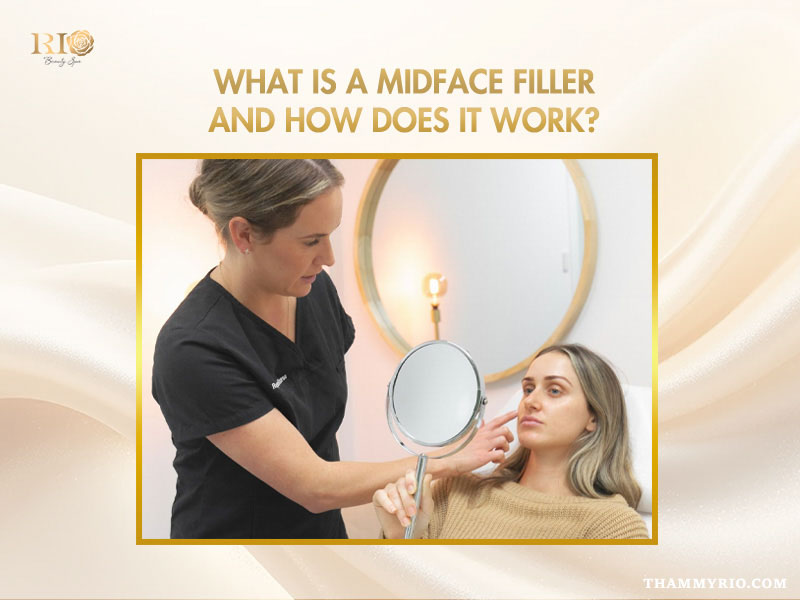
As we age, deep fat compartments shrink and bone structure undergoes subtle resorption. A midface treatment counters this process by structural placement along the periosteum (bone level) or within deep fat pads. By filling these hollow space deficits, the treatment physically lifts drooping facial tissues, softens the appearance of nearby creases like nasolabial folds, and creates a refreshed, youthful contour.
Why choose cheek fillers: key benefits
Choosing cheek fillers provides more than just extra volume; it reshapes the fundamental framework of the midface to enhance natural features.
Restoring volume and lifting the face
Age-related volume depletion often causes facial features to slide downward. Injecting a dermal filler for cheeks restores lost fullness, effectively lifting sagging skin across the lower face. This indirect lifting effect helps smooth out sagging jowls and diminishes the depth of fold lines around the mouth.

Enhancing cheekbones and facial contours
For individuals with naturally flat or asymmetrical cheek structures, targeted placement creates high, structured cheekbones. By sharpening the cheek highlights, the procedure improves overall facial symmetry and highlights your natural profile. Beyond cheeks, complementary treatments like chin filler or jawline filler can further refine lower face balance.
Types of dermal filler for cheeks
Selecting the appropriate product type depends on your structural needs, aesthetic goals, and desired longevity.
Hyaluronic acid (HA) fillers
Hyaluronic acid is a substance naturally present in the body that retains moisture and plumpness. HA-based products are widely used for the midface due to their predictable results and high safety profile. They integrate smoothly into facial tissues and can be adjusted or reversed using filler dissolving enzymes if needed.
Biostimulatory cheek fillers
Biostimulatory fillers utilize active compounds like Poly-L-lactic acid (PLLA) or Calcium Hydroxylapatite (CaHA). Instead of simply providing immediate volume, these formulations stimulate your body’s natural collagen production over time. The structural improvements develop gradually, offering progressive and enduring midface restoration.
Who is a good candidate for cheek filler injections?
Determining candidacy involves evaluating skin elasticity, facial anatomy, and personal aesthetic objectives.
Ideal candidates for cheek fillers
- Adults experiencing age-related volume loss: Individuals noticing hollows in the midface or deepening smile lines.
- People seeking contour enhancement: Those wanting more defined cheekbones or improved facial balance.
- Patients wanting non-surgical treatment: Individuals looking for noticeable cosmetic improvement without surgical procedures or extensive downtime.
- Individuals with stable health: Those maintaining realistic expectations and healthy skin conditions.
Who should avoid midface filler?
- Pregnant or breastfeeding individuals: Safety testing has not been conducted for these groups.
- Active skin infections: Presenting active acne, cold sores, or skin inflammation near the treatment zone.
- Bleeding disorders or severe allergies: Individuals with bleeding tendencies or known severe allergic reactions to filler components.
The cheek filler procedure: what to expect
Understanding the clinical process ensures a comfortable experience and optimal aesthetic outcome.
Pre-treatment consultation with a doctor
A thorough evaluation with a qualified practitioner is essential. The medical professional will assess your facial anatomy, discuss your goals, review your medical background, and create a customized treatment strategy.
Step-by-step cheek filler injections process
- Preparation and cleansing: The target area is sanitized thoroughly. A topical numbing cream or local anesthetic is applied to minimize discomfort.
- Precision mapping: The provider marks precise injection points on the midface to guide accurate placement.
- Injection phase: Using fine needles or blunt-tip cannulas, the product is administered at specified depths.
- Sculpting and evaluation: The clinician gently massages the area to ensure uniform distribution and smooth contours.
Aftercare and recovery tips
- Apply cold compresses gently to reduce localized swelling or mild bruising.
- Avoid strenuous exercise, direct sun exposure, and excessive heat for 24 to 48 hours.
- Keep your face clean and avoid applying pressure or sleeping directly on your face for several days.
- Do not undergo intensive facial massages immediately after treatment.
Results, longevity, and risks of a cheek filler
Setting realistic expectations regarding longevity and understanding safety profiles ensures long-term satisfaction.
How long do cheek fillers last?
The duration of results depends on the material chosen, injection depth, and individual metabolic rate:
- Hyaluronic Acid fillers: Typically maintain results from 6 to 18 months.
- Biostimulatory fillers: Results can persist for up to 24 months or longer as collagen production increases.

Potential side effects and risks
Common, temporary reactions include minor redness, swelling, tenderness, or mild bruising around injection sites. Although rare, more serious issues like infection or vascular occlusion can occur. Patients should be aware of dermal filler complications and choose experienced clinical professionals to ensure maximum safety.
Cheek filler treatments represent a proven approach to restoring youthful midface contours, lifting sagging tissue, and refining facial geometry. By understanding the types of formulations available and following proper pre- and post-treatment care, individuals can achieve balanced and natural-looking enhancements. Consulting with an experienced professional is always the most crucial step toward safe and gratifying aesthetic results.
If you want to learn more about professional midface aesthetic procedures, explore our full range at Rio Beauty Clinic.


Có thể bạn quan tâm:
Lip filler injections: types, procedure, and longevity
Achieving fuller, well-defined lips has become one of the most requested
Chin filler injections: Safe non-surgical augmentation
Achieving a balanced facial profile no longer requires invasive cosmetic surgery.
Cheek filler injections: The complete midface guide
Restoring lost volume in the midface area has become one of
Tiêm filler có tự tan không? Bao lâu tan hết?
Nhiều chị em khi mới tiếp cận phương pháp làm đẹp
Chất làm đầy Restylane của nước nào? Nguồn gốc và lưu ý
Trong ngành thẩm mỹ, việc lựa chọn sản phẩm có nguồn
Filler Mizain có tốt không? Cập nhật các lưu ý quan trọng
Nhu cầu làm đẹp bằng chất làm đầy (filler) ngày càng