


Visible blood vessels along the temples can significantly alter facial harmony and create an aged, fatigued appearance. For many individuals, these pronounced blue or green vascular lines appear unexpectedly and resist topical concealers. Understanding the underlying anatomy and pursuing professional temple vein treatment is the most effective way to restore a smooth, refreshed aesthetic. Modern dermatological laser advancements now offer targeted, non-invasive solutions to safely clear these vessels without surgical intervention or extensive downtime.
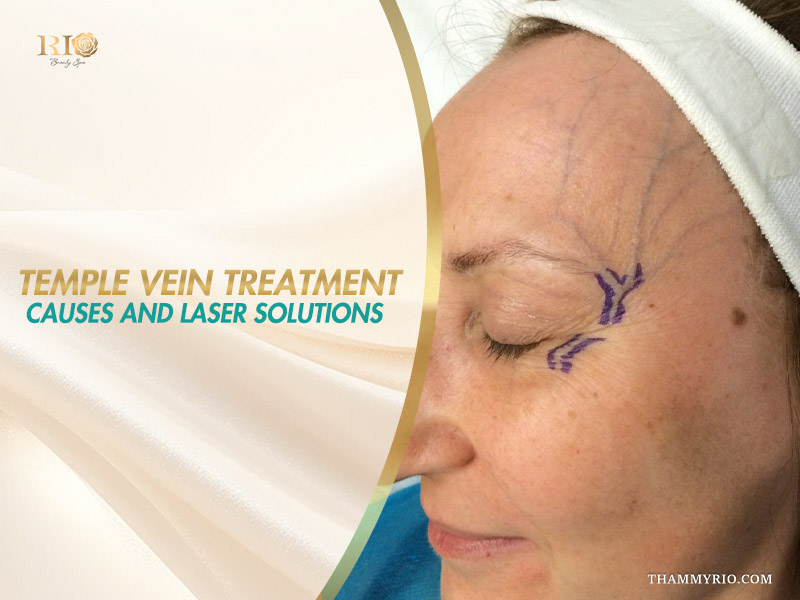
Understanding temple veins – What are they and why do they appear?
The vascular network across the human face is intricate, and the temporal area features distinct physiological properties that make blood vessels particularly prominent.
What are temple veins?
Temple veins are superficial blood vessels located on the lateral aspects of the forehead and temporal fossa. These veins primarily belong to the superficial temporal venous system, which drains deoxygenated blood from the scalp and forehead toward the external jugular vein. Anatomically, the skin overlying the temples is substantially thinner than on the cheeks or jawline, with a minimal subcutaneous adipose (fat) layer. Consequently, any enlargement or dilation of these vessels pushes them directly against the epidermis, making them visible as bulging blue, purple, or green lines.
Temple veins vs. other facial veins
It is essential to distinguish temple veins from other facial vascular concerns:
- Capillaries and Telangiectasia: These are microscopic, fine red or violet lines located in the upper papillary dermis, frequently seen around the nasal alae and mid-cheeks.
- Spider Veins: Small, web-like clusters of superficial micro-vessels.
- Forehead Veins: Central venous branches that typically bulge during facial expressions or physical exertion.
- Temple Veins: Larger, deeper reticular venous structures characterized by a distinct blue or green coloration and a wider caliber. Because of their depth and diameter, standard skincare and surface-level modalities cannot eliminate them, necessitating specialized temple vein treatment.
What causes temple veins to become visible?
Several structural, physiological, and environmental factors contribute to the prominent appearance of temporal blood vessels.
Why thin skin and genetic predisposition can make veins more noticeable
Genetics plays a fundamental role in both vascular anatomy and skin architecture. Individuals with an inherited delicate dermal layer or naturally lower subcutaneous fat volume are prone to early vein visibility. Inherited weaknesses in venous wall elasticity can also cause vessels to expand easily under normal blood flow.
Aging and sun damage
The natural aging process degrades collagen and elastin fibers in the dermal matrix. Over time, the loss of temporal volume and structural support makes underlying veins far more conspicuous. Furthermore, chronic exposure to ultraviolet (UV) radiation breaks down vascular support tissue, weakening the structural integrity of vessel walls and worsening prominence.
Pressure and straining
Daily mechanical stressors and cardiovascular pressures can lead to temporary or persistent vascular dilation. Chronic stress, intense weightlifting, sleep positioning that puts unilateral pressure on the face, and bruxism (jaw clenching or teeth grinding) elevate localized blood pressure, causing the temporal vessels to engorge and remain visible over time.
Hormonal changes and other contributing factors that affect vein visibility
Fluctuations in hormone levels—such as during pregnancy, hormonal therapies, or menopause—affect vascular tone and vascular smooth muscle dilation. Additional lifestyle factors including alcohol intake, frequent heat exposure (saunas, hot environments), and systemic blood pressure variations can accelerate the dilation of temporal veins, making temple vein treatment necessary.
Treatment options for temple veins – What actually works?
Navigating available aesthetic and dermatological options allows individuals to choose the safest, most reliable solution for visible temporal vessels.
Using topical creams and home remedies for visible veins – What to expect
Topical formulations containing Vitamin K, caffeine, or botanical extracts may temporarily hydrate the skin or soothe minor surface redness. However, they lack the transdermal penetration and thermodynamic power needed to affect veins situated deep within the reticular dermis and subcutaneous tissue. Relying on topical remedies for true temple vein treatment will not yield structural vein closure.
Sclerotherapy – A minimally invasive injection option
Sclerotherapy involves injecting a chemical sclerosant directly into the vessel lumen to irritate the vessel lining and cause it to collapse. While highly effective for lower-extremity veins, sclerotherapy in the temporal area carries significant clinical risks due to the complex anastomoses connecting temporal veins to the ophthalmic and cranial venous systems. The risk of unintended embolization or tissue irritation makes invasive injections less favorable than non-invasive alternatives.
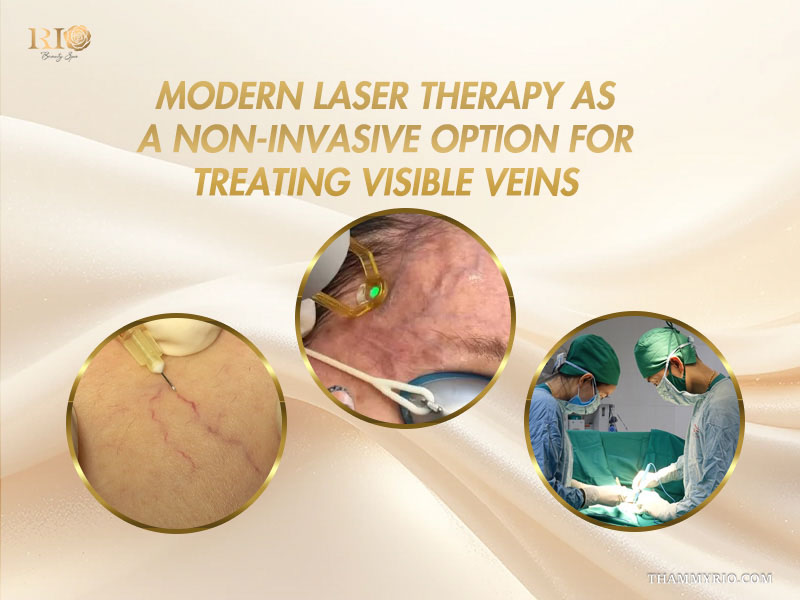
Modern laser therapy as a non-invasive option for treating visible veins
Vascular laser therapy is the gold-standard, non-invasive modality for temple vein treatment. By delivering precise wavelengths through the skin without incisions or needles, laser energy targets intravascular hemoglobin, collapsing the vessel safely from the outside. This modern method delivers exceptional clearance rates while preserving the delicate surrounding skin and underlying neurovascular structures.
Why laser therapy is the best choice for temple vein treatment
Advanced vascular lasers provide precise targeting, structural safety, and long-term clearance for delicate facial zones.
How vascular laser works on temple veins
The laser emits a concentrated beam of light calibrated to be selectively absorbed by chromophores—specifically oxyhemoglobin and deoxyhemoglobin within the blood vessel. The absorbed light instantly converts into controlled thermal energy, coagulating the blood and causing the vessel walls to collapse and seal shut. The body’s natural immune and lymphatic systems then gradually resorb and clear the collapsed vessel over subsequent weeks.
Laser Energy (Selected Wavelength)
Selective Absorption by Intravascular Hemoglobin
Controlled Thermal Coagulation of Vessel Wall
Natural Lymphatic Resorption & Clearance
Multi-wavelength technology for different temple vein types
Temporal vessels vary in depth, diameter, and hemoglobin saturation. No single laser parameter suits every client:
- Superficial fine branches respond best to targeted wavelengths that peak in hemoglobin absorption.
- Deeper, wider blue-green veins require longer wavelengths capable of penetrating 4–6 mm into the tissue without dispersing energy at the epidermal layer.
A multi-wavelength system provides the adaptability needed to treat every layer of the temporal vascular network effectively.
Safety for the delicate temple area
The temporal region is rich in sensory and motor nerves, including branches of the facial nerve. Non-invasive vascular laser technology targets the vascular lumen without disrupting adjacent nervous or muscular tissue. Integrated dynamic cooling systems chill the epidermis before, during, and after each laser pulse, completely protecting the epidermal layer from thermal injury.
Enjoy minimal discomfort and little downtime with laser therapy
Modern laser procedures for temporal veins require no general anesthesia and involve minimal procedural discomfort, often described as a brief, mild snap. Clients can immediately resume their daily routines without clinical downtime, bandages, or lengthy healing phases.
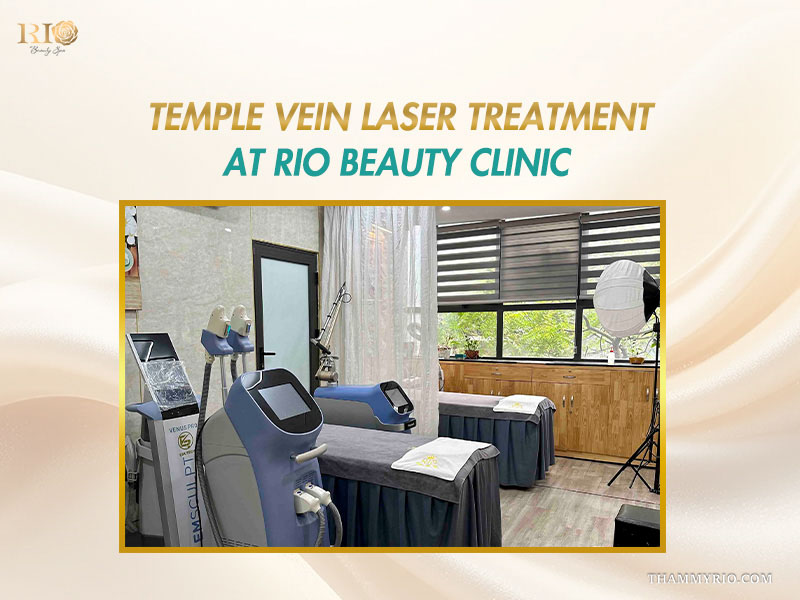
Temple vein laser treatment at Rio Beauty Clinic
Delivering safe, predictable outcomes for visible temporal vessels requires combining advanced medical-grade technology with extensive clinical experience. At Rio Beauty Clinic, every temple vein treatment is conducted with meticulous anatomical precision and fully customized parameters.
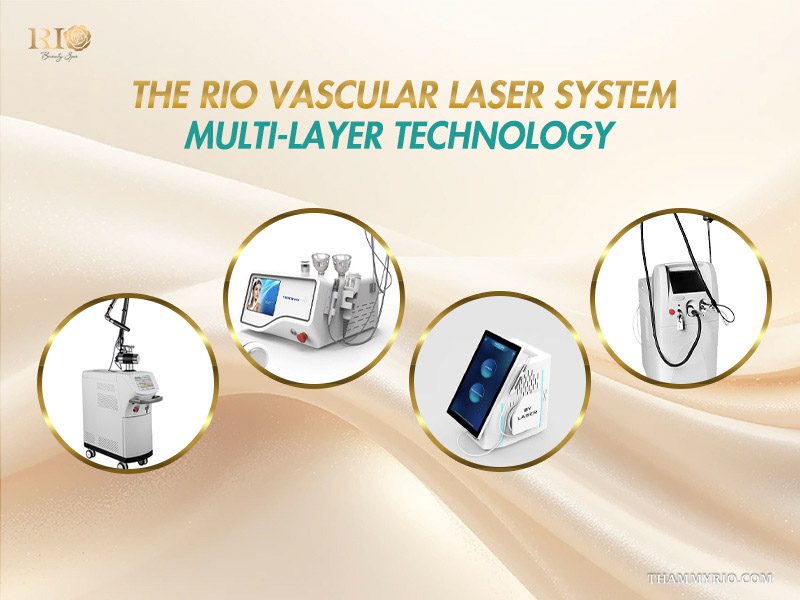
The Rio vascular laser system – Multi-layer technology
To address facial vascular concerns across all tissue depths, Rio Beauty Clinic utilizes the Rio Vascular Laser System. This multi-layered platform combines distinct, complementary laser technologies:
- Precision Vascular Layer – Vbeam Candela 595nm: Widely recognized as a gold-standard Pulsed Dye Laser (PDL), this system excels at resolving superficial, fine red capillaries and peri-temporal micro-vascular redness with exceptional safety.
- Mid Vascular Layer – Bio Vein Clear Max 980nm: Operating with optimal diode energy, this wavelength targets intermediate-depth vessels, balancing hemoglobin absorption and penetration depth.
- Dual-Wavelength Vascular Layer – BV Vascular Pro 980nm & 1470nm: This dual-action platform targets both intravascular hemoglobin (980nm) and water within vascular structural tissues (1470nm), providing enhanced coagulation for stubborn vascular lesions with minimal collateral heat.
- Deep Vascular Layer – Long-Pulsed Nd:YAG Spectra 1064nm: Delivering deep photon penetration up to 4–6 mm, this long-pulsed laser is the premier choice for larger, deeper blue and green reticular temple veins.
| Laser Technology | Wavelength | Clinical Role in Temporal Vascular Treatment |
| Vbeam Candela | 595 nm | Precision clearance of superficial micro-capillaries and diffuse redness |
| Bio Vein Clear Max | 980 nm | Coagulation of mid-depth vessels and structural dermal stimulation |
| BV Vascular Pro | 980 nm + 1470 nm | Synergistic targeting of hemoglobin and water for complex vascular structures |
| Long-Pulsed Nd:YAG Spectra | 1064 nm | Deep transdermal penetration for pronounced, bulging blue temporal veins. |
Personalized care and treatment guidance from experienced specialists
At Rio Beauty Clinic, treatments are planned and overseen by recognized specialists with decades of combined experience:
- Artist Grand Master Pham Thanh Tam (CEO): Bringing over 16+ years of specialized dermatology and aesthetic protocol development, Master Pham Thanh Tam ensures strict clinical safety and personalized treatment design for every client.
- Expert Dermatologist Vuong My: With more than 16 years of clinical dermatology experience, Master Vuong My specializes in advanced pigmentary and vascular recovery protocols.
- Expert Laser Specialist Tran Manh Thang: With over 20 years of clinical laser experience and a track record of training thousands of aesthetic practitioners nationwide, Specialist Tran Manh Thang calibrates precise energy, spot size, and pulse duration for complex vascular cases.

Understanding the treatment journey and what to expect at every stage
Each client undergoes a structured four-stage clinical pathway to ensure optimal safety and measurable aesthetic clearance.
Step 1: Initial consultation and comprehensive digital skin assessment
Step 2: Creating a customized treatment protocol based on your skin and veins
Step 3: Precision Laser Execution
Step 4: Specialized Post-Care & Recovery
Consultation and assessment
The journey begins with an in-depth dermatological examination. Specialists analyze skin phototype, vascular depth, vessel diameter, and flow characteristics using multispectral dermal imaging.
Customized treatment plan
Based on the diagnostic findings, a tailored laser protocol is established. The appropriate laser platform, pulse width, and energy density are selected to ensure complete vascular closure while safeguarding adjacent tissue.
The laser session
During the procedure, protective eyewear is placed, and dynamic epidermal cooling is activated. The targeted laser pulses are delivered along the course of the visible vein. Most sessions take only 15 to 30 minutes, with clients experiencing minimal sensation.
Post-treatment skincare, ongoing monitoring, and personalized follow-up support
Following the session, the treated area is cooled, and soothing agents are applied. The clinical team provides comprehensive aftercare guidelines and schedules periodic follow-up checks to monitor the natural resorption process.
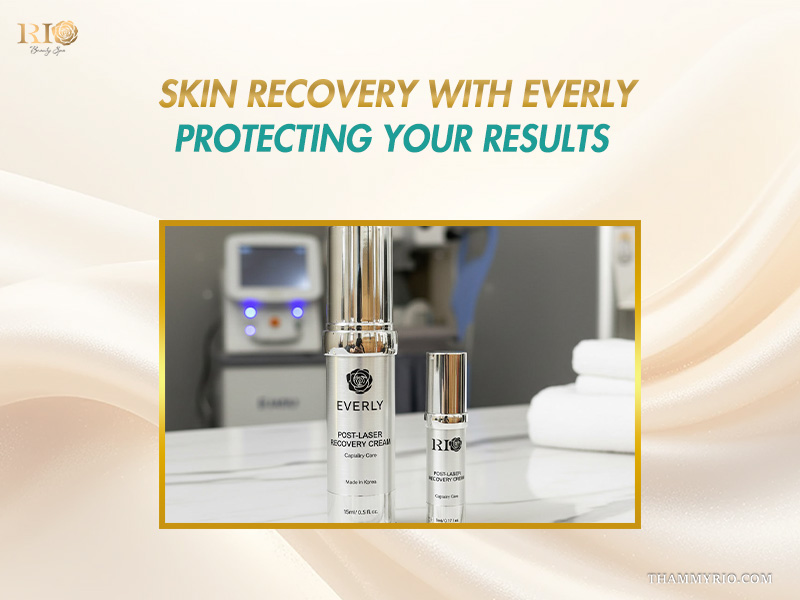
Skin recovery with Everly – Protecting your results
To ensure accelerated tissue recovery and long-term results, Rio Beauty Clinic integrates the Everly post-laser skincare formula into post-treatment protocols[cite: 8]. Enriched with Centella Asiatica, Aloe Vera, Ceramides, Niacinamide, and Peptides, Everly strengthens the skin barrier, reduces post-procedural erythema, and protects against post-inflammatory hyperpigmentation (PIH).
Visible temporal veins can detract from your natural facial harmony, but they do not have to be permanent. Modern temple vein treatment using advanced vascular lasers offers a reliable, non-invasive, and effective way to clear prominent veins without incisions or prolonged downtime. By pairing state-of-the-art multi-wavelength platforms—such as the Rio Vascular Laser System—with personalized treatment plans from experienced dermatological specialists, Rio Beauty Clinic delivers safe, clear, and lasting results tailored to each client’s unique skin architecture.
If visible temporal vessels are affecting your confidence, connect with the team at Rio Beauty Clinic today for an individualized assessment and clinical consultation.
Thẩm Mỹ Rio Beauty Clinic
- Address: 205 Thuy Ke, Tay Ho, Ha Noi
- Email: Telesale.riostudio1@gmail.com or thammyrio999@gmail.com
- Hotline & WhatsApp: +8496.694.1999 or +84963.246.533
- Instagram: https://www.instagram.com/tham.my.rio.beauty.clinic/
- Fanpage: https://www.facebook.com/thammyriobeauty


 “Phạm Thanh Tâm” Đã kiểm duyệt nội dung
Có thể bạn quan tâm:
Best dermal fillers in Hanoi: 2027 clinic guide
Navigating aesthetic treatments in a vibrant foreign city can feel overwhelming,
Dermal filler cost: 2027 price guide and breakdown
Navigating aesthetic treatments requires a clear understanding of financial requirements as
Nose filler: Get a defined profile without surgery
Achieving a balanced and harmonious facial profile no longer requires going
2 Comments
Breast filler safety and complete guide
Choosing a non-surgical approach to enhance body contours has become increasingly
Jawline fillers: Sculpt your jaw with instant results
Achieving a structured lower face without surgery has become one of
Filler dissolving: Complete guide and safety tips 2027
Dermal fillers offer a non-surgical solution to restore volume and refine