


Visible microvessels, persistent facial redness, and spider-like web patterns across the cheeks, nose, or lower legs cause significant aesthetic distress for millions of individuals. Many people spend substantial time and financial resources testing over-the-counter topical creams, herbal remedies, and oral supplements, only to discover that structural vascular lesions beneath the skin remain completely unchanged. This persistent visibility occurs because spider veins involve structural dilation within the microvasculature rather than superficial pigmentation issues.
Modern dermatological aesthetics emphasizes that choosing a genuine non surgical spider vein treatment is essential for eliminating damaged microvessels without scalpel incisions, prolonged downtime, or structural tissue trauma. Understanding the biological mechanisms behind vascular lesions allows individuals to select advanced, non-invasive therapies tailored to their exact physiological profile.
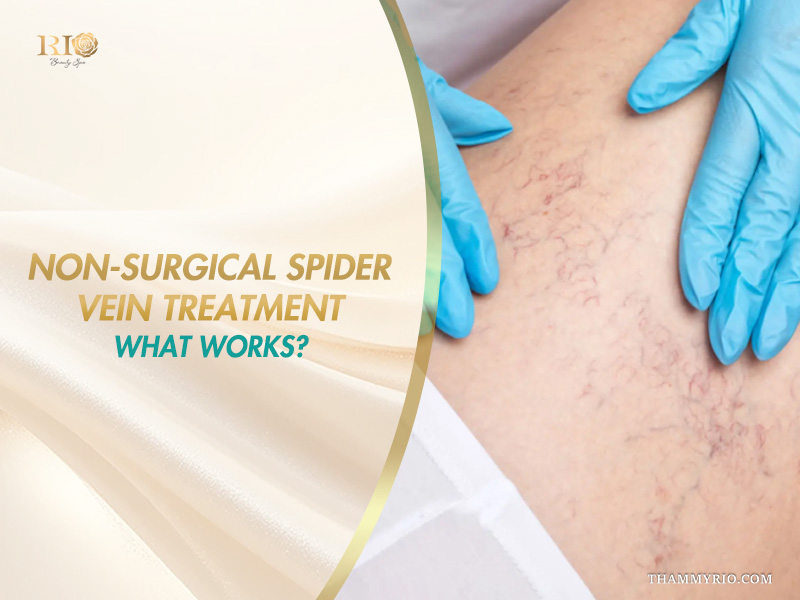
Understanding spider veins: What are they and what causes them to develop?
Spider veins, clinically classified as telangiectasias, are small, permanently dilated blood vessels situated within the superficial layers of the skin,The diameters of the two objects are approximately 5 millimeters and 1 millimeter, respectively. Under normal circumstances, microcapillaries dilate and constrict fluidly to regulate cutaneous blood flow and body temperature.
However, when the surrounding structural matrix weakens or intradermal venous pressure increases, these delicate vessel walls stretch permanently, trapping blood and creating visible red, blue, or purple arborizing patterns across the epidermal layer. Understanding these underlying vascular changes is essential when considering appropriate options for non surgical spider vein treatment.
Spider veins vs. Varicose veins: Major Differences
Distinguishing between superficial spider veins and deeper varicose veins is critical for determining appropriate therapeutic pathways:
- Depth and Tissue Layer: Spider veins develop within the superficial dermis and remain flush with the cutaneous surface. Varicose veins develop deeper within the subcutaneous venous system, frequently presenting as swollen, rope-like, raised bulges above the skin.
- Vessel Diameter: Spider veins measure under 1 to 2 millimeters in diameter, whereas varicose veins often expand beyond 4 to 5 millimeters.
- Color and Clinical Morphology: Spider veins display fine red, purple, or dark pink web-like structures (spider nevi, facial telangiectasia). Varicose veins manifest as tortuous, dark blue or purple cords.
- Symptomatic Burden: Spider veins present primarily as an aesthetic concern, accompanied occasionally by localized warmth or mild sensitivity. Varicose veins often involve underlying venous insufficiency, generating heaviness, throbbing, aching, and lower limb edema.
Common causes and risk factors associated with spider veins
Superficial vascular breakdown stems from several contributing internal and environmental factors:
- Genetic Predisposition: Hereditary weakness in venous wall integrity and capillary elasticity serves as a primary underlying factor.
- Prolonged Standing or Sitting: Static postures over extended periods elevate venous pressure in the lower extremities, impairing return circulation.
- Hormonal Fluctuations: Estrogen and progesterone surges during pregnancy, oral contraceptive use, or menopause relax smooth muscle tissue within blood vessel walls.
- Ultraviolet (UV) Radiation and Photoaging: Chronic sun exposure degrades structural collagen and elastin around dermal capillaries, making facial vessels increasingly fragile.
- Cutaneous Barrier Breakdown & Steroid Exposure: Extended application of topical corticosteroid creams or harsh exfoliating products strips the protective lipid barrier, leading to secondary telangiectasia and persistent facial erythema.
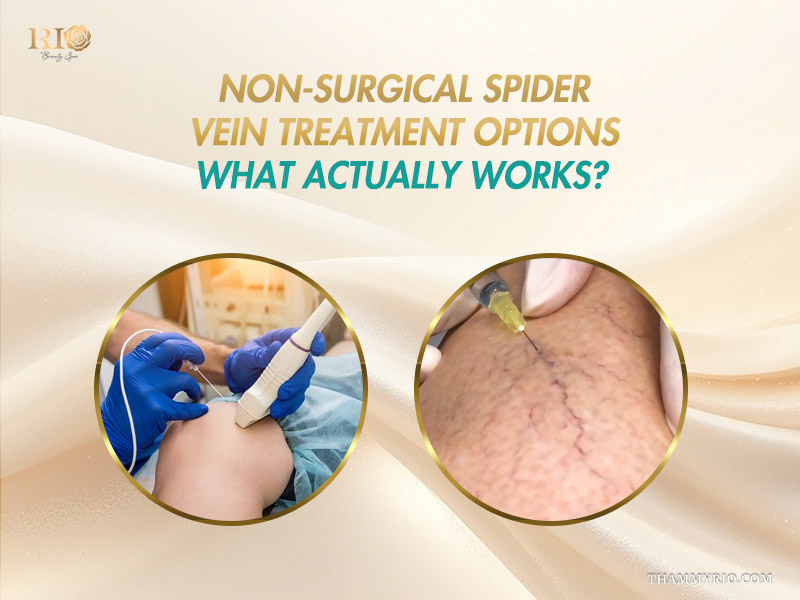
Non-surgical spider vein treatment options – What actually works?
Navigating vascular management requires separating temporary lifestyle aids from procedures capable of inducing permanent vascular clearance. Choosing an optimal non surgical spider vein treatment depends directly on vessel depth, anatomical location, and vessel caliber.
Compression stockings – Supportive care or real treatment?
Graduated compression stockings represent a foundational conservative measure and may be considered as part of a non surgical spider vein treatment approach rather than a curative intervention. By applying measured external pressure to the lower legs, compression hosiery encourages upward venous return, reduces venous pooling, and may help relieve symptoms associated with spider veins and poor circulation.
While stockings can help alleviate symptoms of lower limb fatigue, prevent additional microvascular dilation, and control swelling, they cannot seal or eliminate existing spider veins. Therefore, although compression stockings may form part of a non surgical spider vein treatment strategy for symptom management, they do not directly remove visible veins.
Once a vessel wall is permanently dilated and structurally compromised, external pressure cannot reverse the underlying anatomical alteration.
Sclerotherapy – A minimally invasive injection option
Sclerotherapy is a minimally invasive form of non surgical spider vein treatment that involves injecting a liquid or foamed chemical sclerosant directly into the lumen of the target vessel via a fine micro-needle. The chemical agent irritates the endothelial lining, causing the vessel to spasm, clot, collapse, and gradually undergo fibrotic reabsorption by the body.
While effective for medium-to-large reticular veins in the legs, sclerotherapy carries distinct procedural considerations. It is an invasive injection method rather than a purely non invasive spider vein treatment, making it unsuitable for ultra-fine facial telangiectasias where needle insertion risks tissue necrosis, persistent hyperpigmentation, or matting (the rapid formation of tiny new red vessels).
Laser therapy – The gold standard for non-invasive spider vein treatment
Transcutaneous vascular laser therapy is widely recognized in aesthetic medicine as the gold standard spider vein treatment without surgery. By delivering calibrated wavelengths of light directly through intact skin, medical lasers target intravascular chromophores without requiring incisions, needles, or direct tissue puncture.
Key clinical advantages of vascular laser therapy include:
- Complete non-invasiveness without needle punctures or risk of scarring.
- Exceptional precision, targeting only defective vessels while sparing surrounding healthy skin.
- Universal adaptability across facial areas (cheeks, nasal alae) and lower extremities.
- Zero required social downtime, allowing immediate resumption of daily routines.
Comparing effectiveness and recovery time of each method
| Treatment Modality | Invasiveness Level | Target Vessel Types | Expected Recovery Time | Clinical Suitability |
| Graduated Compression | Completely Non-invasive | Leg veins (Preventative) | Immediate / Ongoing | Symptom relief; cannot clear existing vessels |
| Sclerotherapy | Minimally invasive injection treatments | Medium/Large leg veins (2–4 mm) | 2–4 weeks; compression bandages required | Legs only; not suited for fine facial vessels |
| Vascular Laser Therapy | Completely Non-invasive | Fine to large vessels (0.5–4 mm) | 0–48 hours; mild transient redness | Face, nose, cheeks, body, and lower limbs |
Why laser therapy is the best non-surgical spider vein treatment
Laser technology provides unparalleled microvascular control, achieving vascular closure entirely from the outer epidermal surface.
How vascular laser works – Selective photothermolysis explained
Vascular laser application operates on the principle of selective photothermolysis. When a specific optical wavelength penetrates the skin, its radiant energy is selectively absorbed by target chromophores—primarily oxyhemoglobin and deoxyhemoglobin present in red blood cells.
Upon absorption, optical energy converts rapidly into controlled thermal energy within the vessel lumen. This targeted heat denatures endothelial wall proteins, initiating thrombosis and endothelial collapse. The treated vessel seals shut, blood flow ceases, and the body’s macrophage-driven lymphatic mechanisms gradually clear the cellular debris over several weeks, leaving the overlying skin clear and unaffected.
Multi-wavelength technology – Treating different vein types effectively
Microvascular lesions are structurally heterogeneous: some appear as superficial bright red arborizations, while others run deeper as thicker purple or blue venules. A single-wavelength laser cannot resolve every vascular depth effectively.
Deploying multi-wavelength technology solves this limitation:
- Shorter Wavelengths (595 nm): Offer peak oxyhemoglobin absorption, ideal for fine, superficial red capillaries on facial areas.
- Mid-Range Wavelengths (980 nm): Deliver balanced absorption across hemoglobin and intradermal water, ideal for intermediate reticular vessels.
- Dual & Deep Wavelengths (1064 nm & 1470 nm): Maximize tissue penetration depth to reach subcutaneous blue/purple feeders up to several millimeters deep without epidermal pigment competition.
No downtime, minimal discomfort – The patient experience
Modern vascular systems incorporate dynamic surface cooling mechanisms (such as cryogen sprays or chilled sapphire contact tips) that cool the epidermal layer milliseconds before and during the laser pulse. This technology protects epidermal tissue integrity and minimizes sensation to a brief, mild snapping feeling. Clients experience no open wounds, no surgical dressing requirements, and can return to daily activities immediately post-procedure.
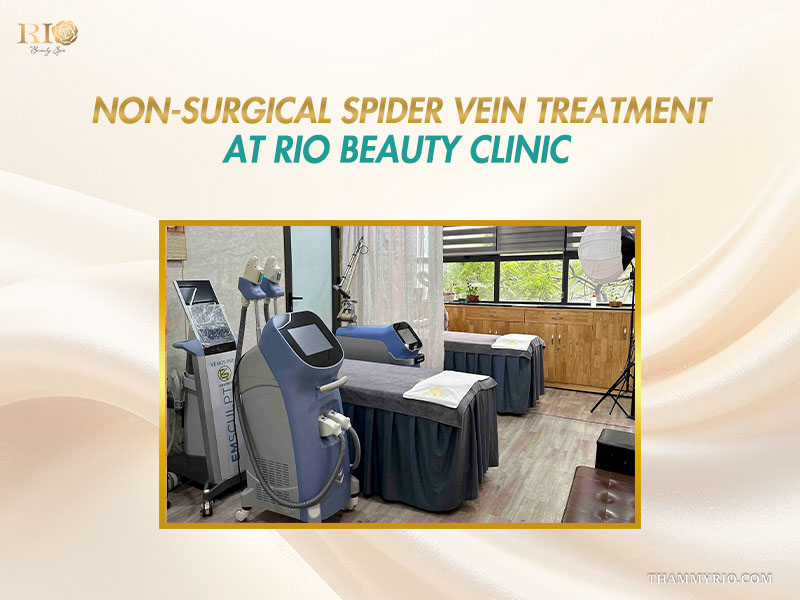
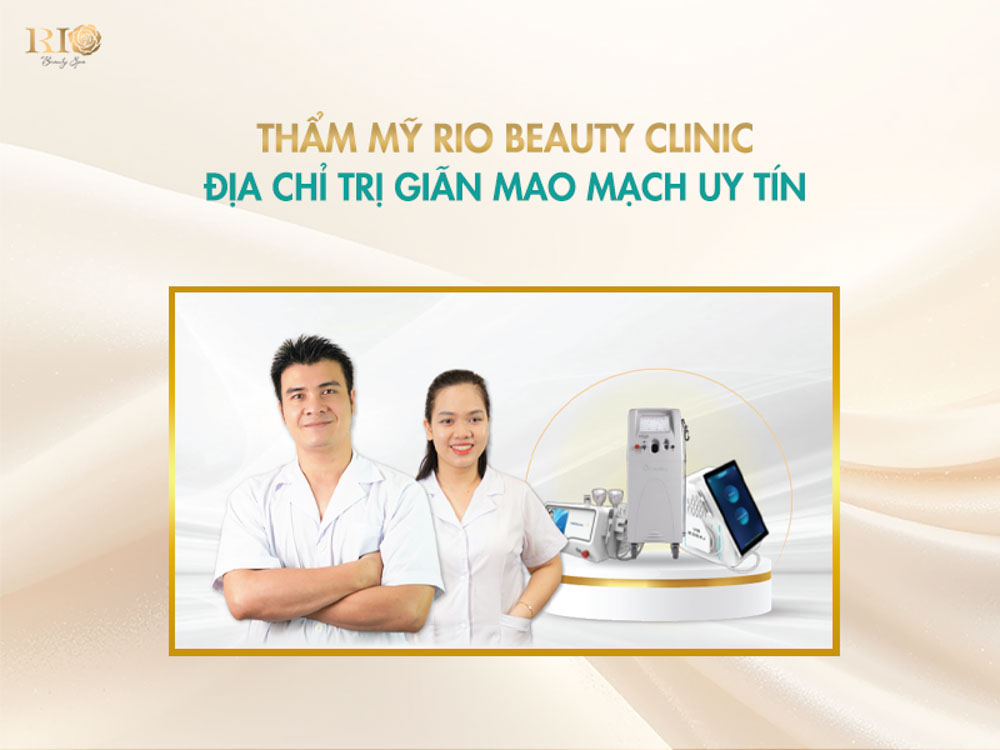
Non-surgical spider vein treatment at Rio Beauty Clinic
At Rio Beauty Clinic, non-surgical vascular solutions are grounded in multi-wavelength technology and individualized aesthetic care. Backed by over two decades of aesthetic service experience, Rio focuses on professional precision, personalized treatment protocols, and verifiable results.
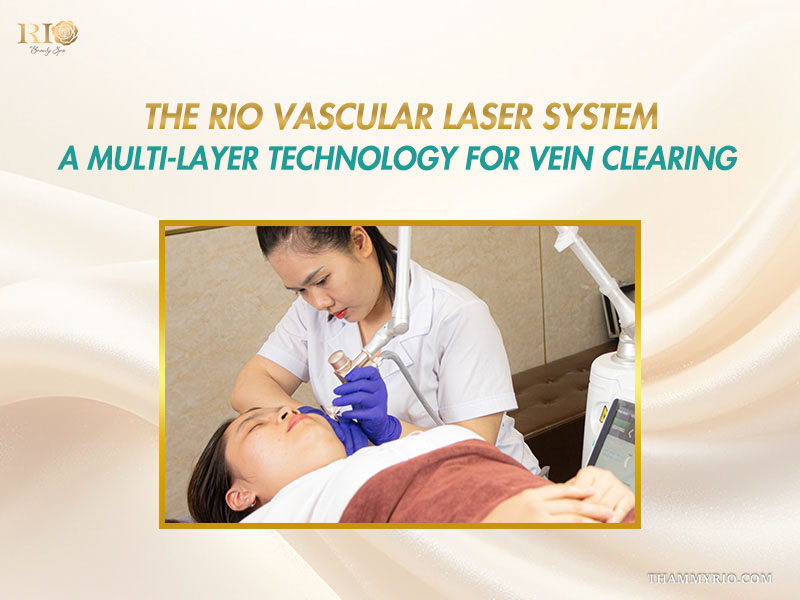
The Rio Vascular Laser System – A multi-layer technology for vein clearing
The proprietary Rio Vascular Laser System combines four advanced vascular technologies to address lesions across all structural depths:
- Precision Vascular Layer — Vbeam Candela 595nm: The gold standard Pulsed Dye Laser (PDL) designed for superficial red telangiectasias, rosacea-associated erythema, and diffuse facial flushing.
- Mid Vascular Layer — Bio Vein Clear Max 980nm: A specialized vascular diode platform balancing deep penetration with robust oxyhemoglobin targeting to treat mid-depth vessels while stimulating local collagen synthesis.
- Dual-Wavelength Vascular Layer — BV Vascular Pro 980nm & 1470nm: An advanced dual-wavelength system combining hemoglobin absorption (980 nm) with 40-times higher water absorption (1470 nm) to close resistant vessels up to 7 mm safely.
- Deep Vascular Layer — Long-Pulsed Nd:YAG 1064nm: Engineered for deep-seated, stubborn reticular vessels, blue leg veins, and periocular vascular pathways with minimal melanin interference.
Personalized care designed by top dermatology and laser experts for you
Every non surgical spider vein treatment at Rio Beauty Clinic follows an individualized, step-by-step evaluation protocol rather than generic settings:
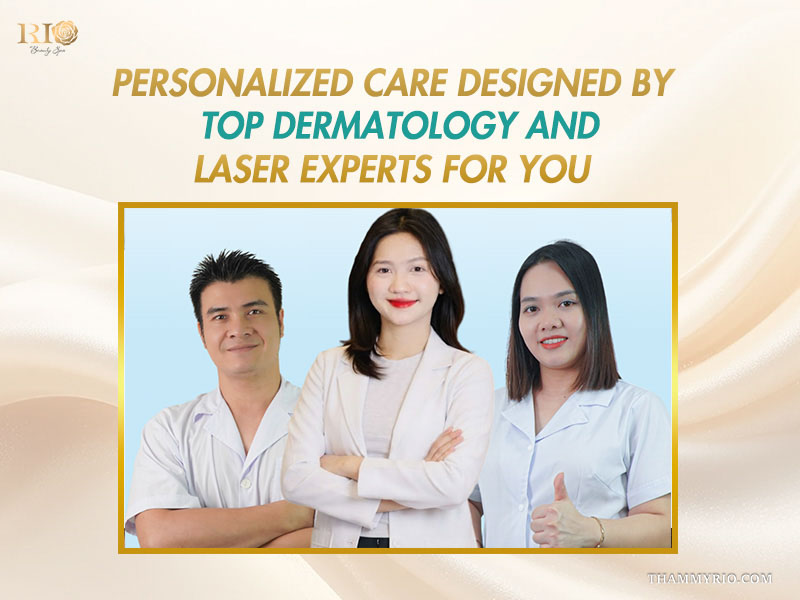
CEO Grand Master Pham Thanh Tam: Bringing over 16 years of dermatological expertise and protocol design to ensure optimal skin barrier health.
Dermatology Expert Vuong My: Master of Dermatology specializing in hyperpigmentation management, microvascular correction, and tailored protocol formulation.
Laser Master Tran Manh Thang: Master laser specialist with over 20 years of technical training and clinical application experience, calibrating optimal pulse durations, spot sizes, and energy fluences.
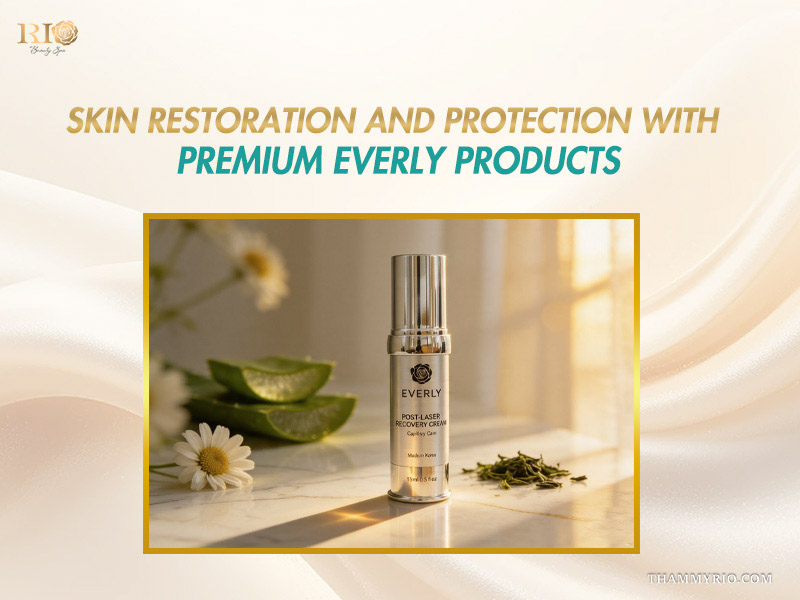
Skin restoration and protection with premium Everly products
Post-laser recovery is essential for reinforcing the cutaneous lipid matrix and preventing post-inflammatory hyperpigmentation (PIH). Rio incorporates Everly Post-Laser Skincare into every post-treatment protocol.
Everly combines natural botanicals—including Centella Asiatica, Aloe Vera, Green Tea extract, and Licorice Root—with bio-active ceramides, Niacinamide (Vitamin B3), Panthenol (B5), and multi-molecular Hyaluronic Acid. This formulation calms transient redness, strengthens vessel walls, and restores the skin barrier immediately following laser therapy.
Vascular lesions do not resolve on their own, and attempting to conceal them with cosmetics or unproven home remedies often delays effective care. Transcutaneous multi-wavelength laser therapy provides a clinically proven, safe, and entirely non-invasive path to restoring clear skin tone. By combining the multi-layer Rio Vascular Laser System, seasoned technical specialists, and dedicated Everly post-care formulations, Thẩm Mỹ Rio Beauty Clinic delivers reliable, individualized vascular solutions tailored to your skin’s unique needs.
Schedule a personalized skin assessment today to take the first step toward clear, healthy-looking skin.
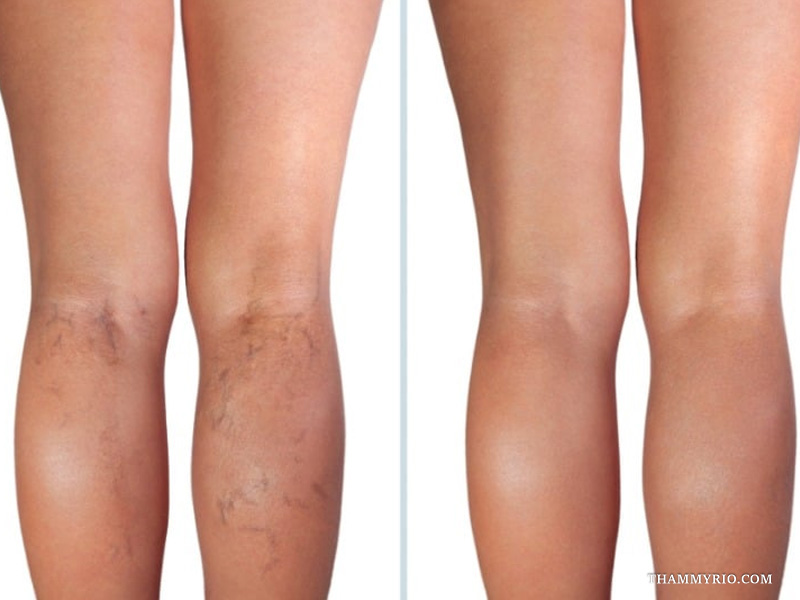
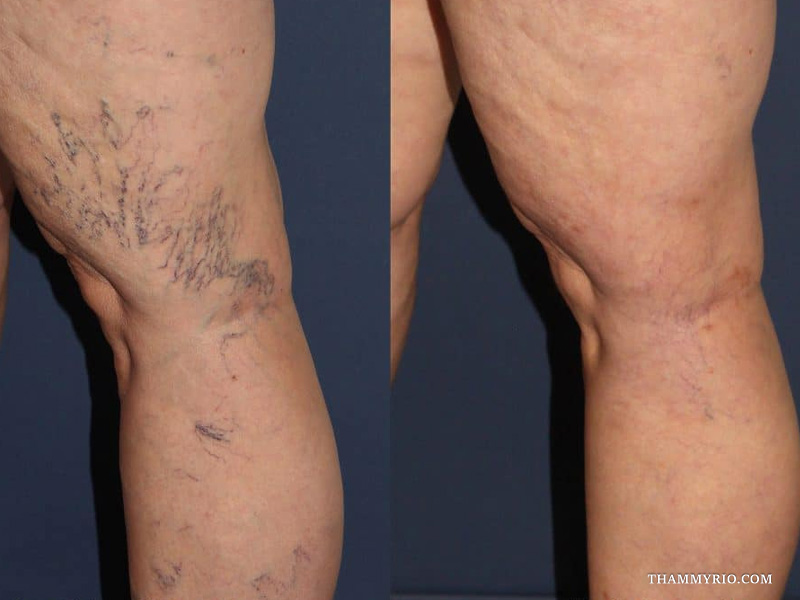
02 hình ảnh thực tế sau khi điều trị không phẫu thuật tai thẩm mỹ Rio
Thẩm Mỹ Rio Beauty Clinic
- Address: 205 Thuy Ke, Tay Ho, Ha Noi
- Email: Telesale.riostudio1@gmail.com or thammyrio999@gmail.com
- Hotline & WhatsApp: +8496.694.1999 or +84963.246.533
- Instagram: https://www.instagram.com/tham.my.rio.beauty.clinic/
- Fanpage: https://www.facebook.com/thammyriobeauty

 “Phạm Thanh Tâm” Đã kiểm duyệt nội dung
Có thể bạn quan tâm:
Best dermal fillers in Hanoi: 2027 clinic guide
Navigating aesthetic treatments in a vibrant foreign city can feel overwhelming,
Dermal filler cost: 2027 price guide and breakdown
Navigating aesthetic treatments requires a clear understanding of financial requirements as
Nose filler: Get a defined profile without surgery
Achieving a balanced and harmonious facial profile no longer requires going
2 Comments
Breast filler safety and complete guide
Choosing a non-surgical approach to enhance body contours has become increasingly
Jawline fillers: Sculpt your jaw with instant results
Achieving a structured lower face without surgery has become one of
Filler dissolving: Complete guide and safety tips 2027
Dermal fillers offer a non-surgical solution to restore volume and refine