


Small, visible red lines or web-like vascular webs appearing across the mid-face area are a frequent cosmetic concern. Identifying the triggers behind broken capillaries on cheeks allows individuals to choose targeted dermatological solutions, restore skin clarity, and prevent further vascular dilation effectively.
Understanding Broken Capillaries on Cheeks and Why They Appear
Facial skin is delicate and highly vascularized. When delicate blood vessels near the surface weaken or lose elasticity, they remain permanently expanded, creating visible redness.
What are broken capillaries on cheeks?
Technically known as telangiectasia, broken capillaries on cheeks are dilated tiny blood vessels located in the upper layer of the dermis. Although commonly referred to as “broken,” these micro-vessels are actually enlarged, allowing blood to remain visible beneath thin epidermal layers.
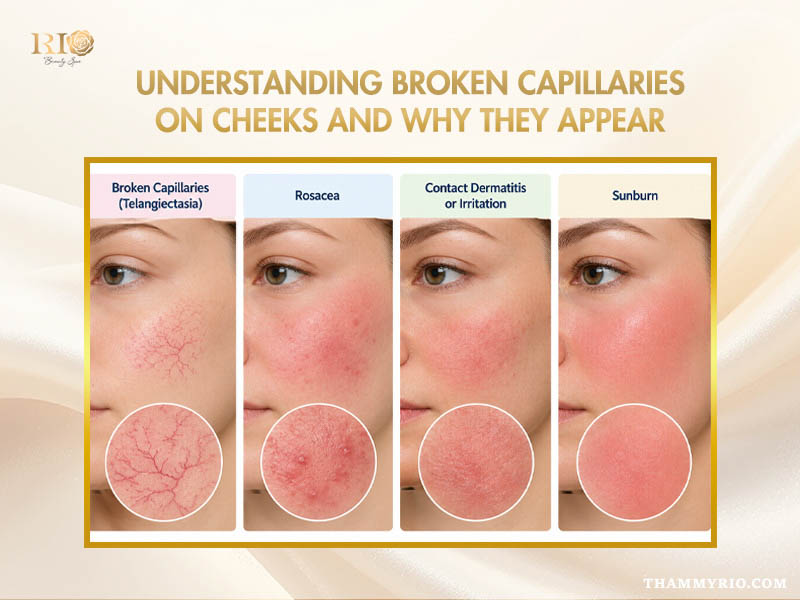
How do broken capillaries differ from other facial redness?
Unlike temporary flushing, rosacea bumps, or inflammatory acne, red capillaries on cheeks form distinct, persistent spider-like or thread-like patterns. They do not fade with basic skin cooling and require targeted light or energy therapy to coagulate the vessel walls.
Common causes of broken blood vessels on cheeks
Vascular walls stretch when exposed to recurrent pressure, environmental stress, or structural skin thinning. Chronic sun exposure, mechanical trauma, and genetic predisposition stand among the primary drivers of broken blood vessels on cheeks.
Common Causes and Risk Factors for Broken Capillaries on Cheeks
Understanding external and internal triggers helps in formulating effective preventive care and choosing appropriate corrective therapies.
Sun damage and UV exposure – a leading cause
Ultraviolet radiation degrades collagen and elastin fibers surrounding facial capillaries. As structural support weakens, blood vessel walls expand easily, making UV damage a primary cause of red capillaries on cheeks.
Genetics and family history of facial redness
Inherited traits dictate skin thickness, vessel wall resilience, and vascular reactivity. Individuals with a family history of rosacea or thin dermal layers are naturally more prone to developing visible facial vessels.
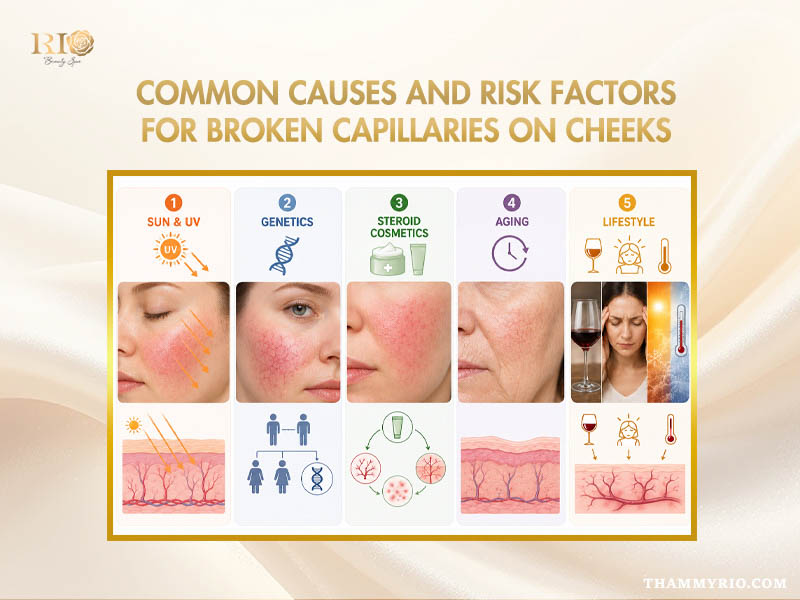
Skin thinning from corticosteroid use
Prolonged topical application of potent corticosteroid creams causes dermal atrophy. As the upper skin layer thins, underlying blood vessels become significantly more prominent and susceptible to dilation.
Aging and natural skin changes over time
Cellular turnover slows and dermal tissue loses density with age. Natural collagen degradation leaves facial micro-vessels less supported, leading to increased vessel visibility across the cheekbones.
Lifestyle factors – alcohol, temperature changes, and stress
Frequent alcohol consumption, sudden temperature fluctuations, spicy foods, and chronic stress cause repeated vasodilation. Over time, vessels lose their ability to constrict back to normal diameter.
How to Treat Broken Blood Vessels on Cheeks Today
Managing expanded facial vessels involves a multi-faceted approach combining medical interventions, active topical skincare, and healthy daily habits.
Dermatologist-recommended laser and light therapies
Light-based interventions represent the most efficient clinical method for clearing facial vessels. Focused energy coagulates damaged vessel walls, allowing the lymphatic system to absorb broken fragments naturally.
Topical treatments and skincare ingredients for broken capillaries
While creams cannot collapse expanded blood vessels, formulas containing Vitamin K, niacinamide, centella asiatica, and soothing botanicals like those in Everly post-laser skincare help strengthen the skin barrier and reduce surrounding erythema.
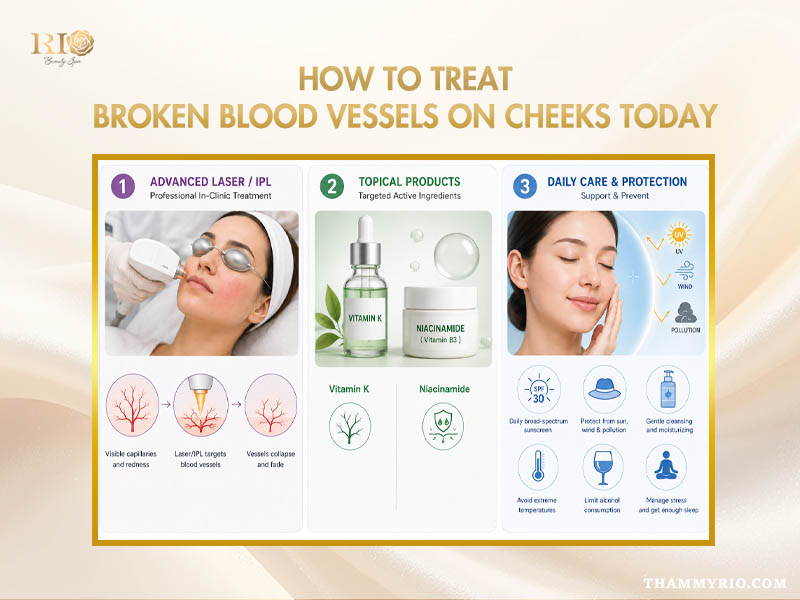
Effective at-home care and natural remedies for red capillaries
Cool compresses, gentle cleansing routines, and avoiding harsh physical exfoliants minimize tissue irritation. Gentle care preserves skin barrier integrity and prevents accidental mechanical vessel trauma.
Essential lifestyle changes to prevent future broken blood vessels on cheeks
Daily broad-spectrum sunscreen application, wearing wide-brimmed hats, avoiding extreme hot showers, and limiting hot beverages significantly reduce recurrent vascular flushing.
When to see a doctor for persistent broken capillaries on cheeks
If facial redness is accompanied by burning sensations, papules, or rapid expansion, consulting a dermatologist is recommended to rule out underlying conditions like rosacea or systemic autoimmune disorders.
Laser Treatment for Broken Capillaries on Cheeks – How It Works
Modern aesthetic medicine relies on advanced laser treatment for cheek capillaries to achieve precise vessel clearance without damaging surrounding skin tissue.
The science of selective photothermolysis for cheek capillaries
Laser therapy operates on the principle of selective photothermolysis, delivering precise light wavelengths absorbed exclusively by specific chromophores in the target tissue without harming adjacent cells.
How laser energy targets hemoglobin in broken capillaries
The laser beam targets oxyhemoglobin inside red capillaries on cheeks. Light energy converts instantly into thermal energy within the vessel lumen, initiating precise coagulation.
The coagulation process – sealing broken vessels from within
Thermal energy causes vessel walls to collapse and seal together. Once blood flow stops through the treated pathway, the non-functional vessel collapses and slowly fades away.
Why the 595nm wavelength is ideal for cheek capillaries
The 595nm wavelength offers optimal absorption by hemoglobin while penetrating to the exact depth of superficial facial capillaries, making it highly effective for fine cheek redness.
What happens to treated capillaries after laser therapy
Over 2 to 4 weeks post-treatment, the body’s natural phagocytic process breaks down the collapsed vessel debris, leaving behind clear, uniform skin tone.
How Much Does Laser Treatment for Cheek Capillaries Cost?
The cost of laser treatment for cheek capillaries depends on the total surface area treated, vessel density, depth of vascular structures, and the number of required sessions. During an initial consultation at a qualified clinic, specialists assess skin condition to provide a clear, customized treatment estimate.
The Rio Vascular Laser System – Advanced Technology for Cheek Capillary Treatment
At Rio Beauty Clinic, facial vascular conditions are managed through specialized protocols tailored to individual skin types and vessel configurations.
Vbeam Candela 595nm – the gold standard for facial capillaries
Rio utilizes the Vbeam Candela 595nm, an internationally recognized pulsed-dye laser technology designed for superficial vascular lesions on delicate facial zones.
How the 595nm wavelength safely treats broken capillaries on cheeks
Integrated dynamic cooling devices protect the epidermis by spraying a cooling mist before each laser pulse, ensuring patient comfort and skin safety throughout the procedure.
Bio Vein Clear Max 980nm – for deeper facial vessels
For thicker or deeper vascular structures, Rio employs Bio Vein Clear Max 980nm and BV Vascular Pro 980nm/1470nm technologies to reach deeper dermal layers effectively.
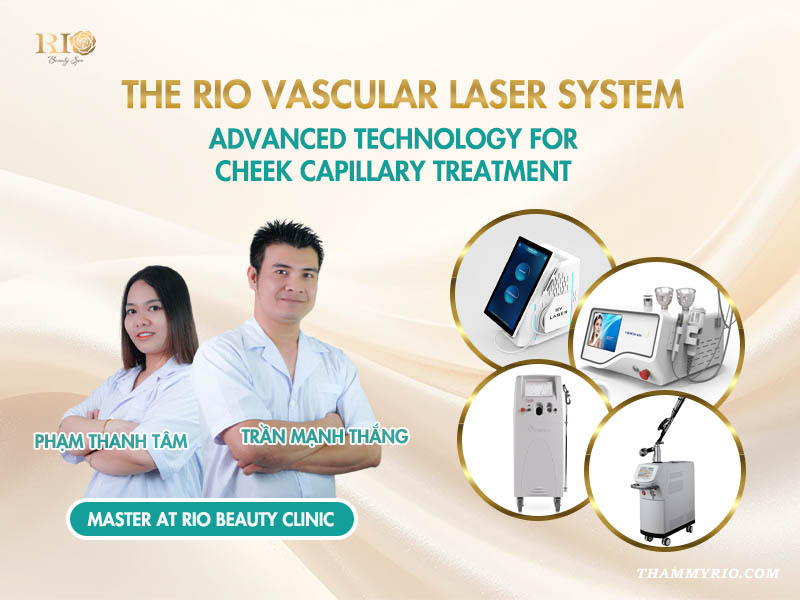
Combining wavelengths for comprehensive cheek capillary treatment
Combining distinct wavelengths within the Rio Vascular Laser System allows experts to target both superficial red capillaries and deeper blue vessels in a single structured regimen.
Why Rio’s multi-wavelength system treats all facial vascular issues
Under the guidance of experienced professionals—including founder Master Phạm Thanh Tâm, senior practitioner Vương Mỹ, and laser specialist Expert Trần Mạnh Thắng—multi-wavelength platforms deliver tailored care with verifiable visual improvements.
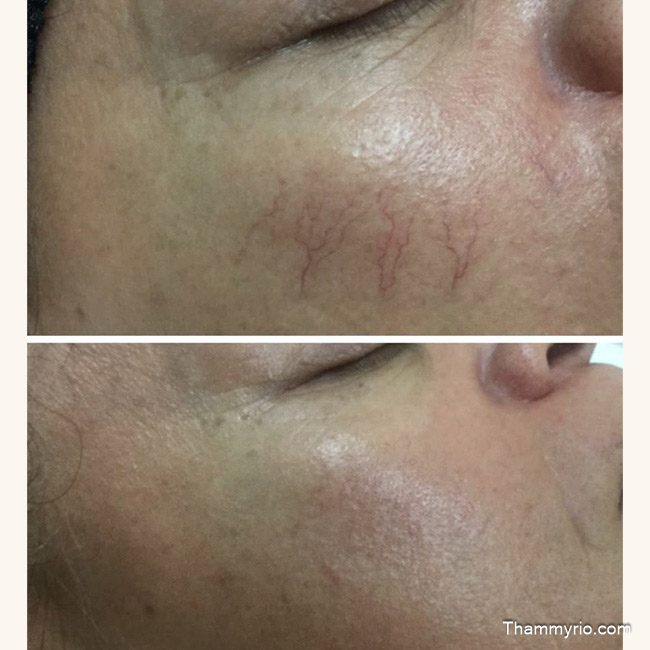
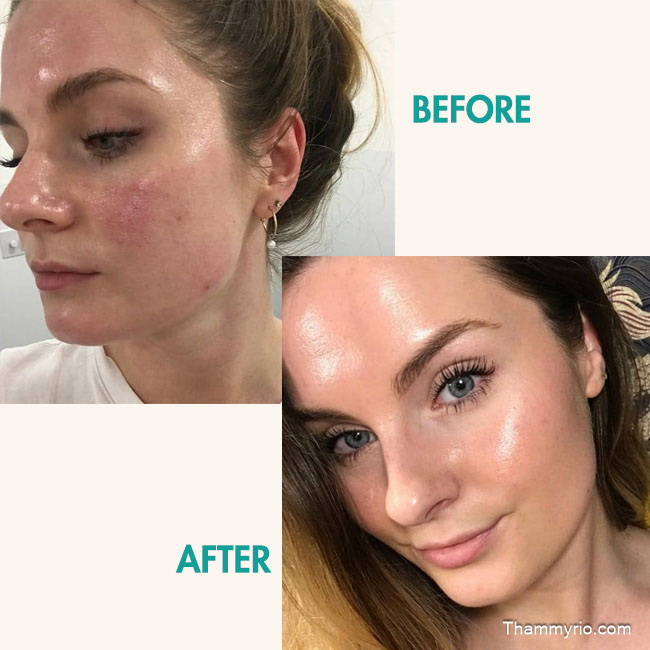
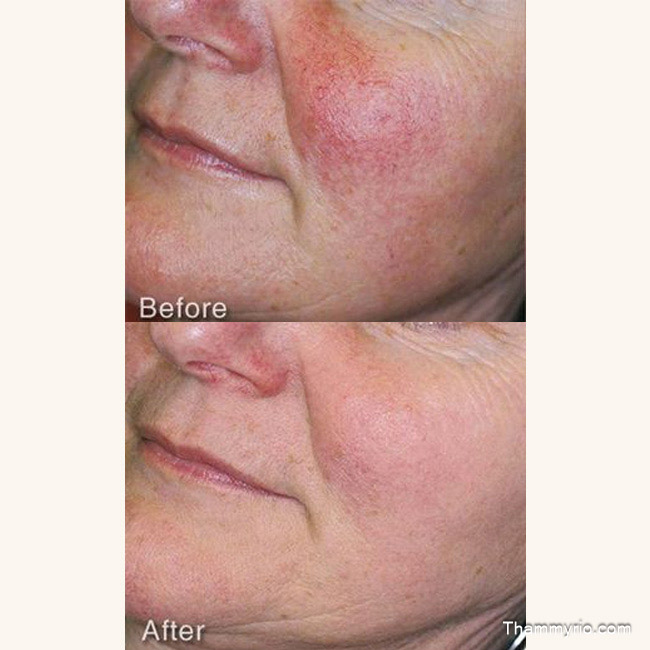
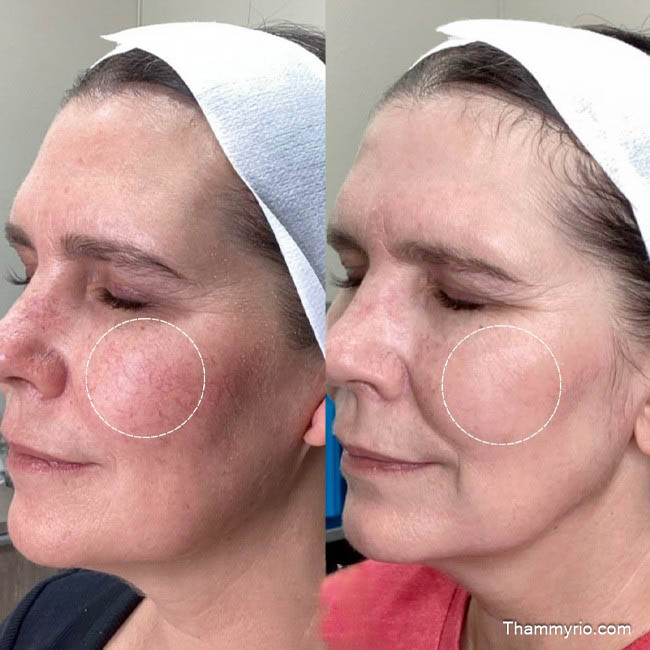
Understanding the root causes of expanded facial vessels empowers you to choose effective treatments and protective habits. May you find a reliable aesthetic destination to restore smooth, healthy, and radiant skin.
- Address: 205 Thuy Khue, Tay Ho District, Hanoi, Vietnam
- Fanpage: Thẩm mỹ Rio Beauty Clinic
- Hotline & WhatsApp: +84 966 941 999 | +84 963 246 533
- Email: Telesale.riostudio1@gmail.com | thammyrio999@gmail.com

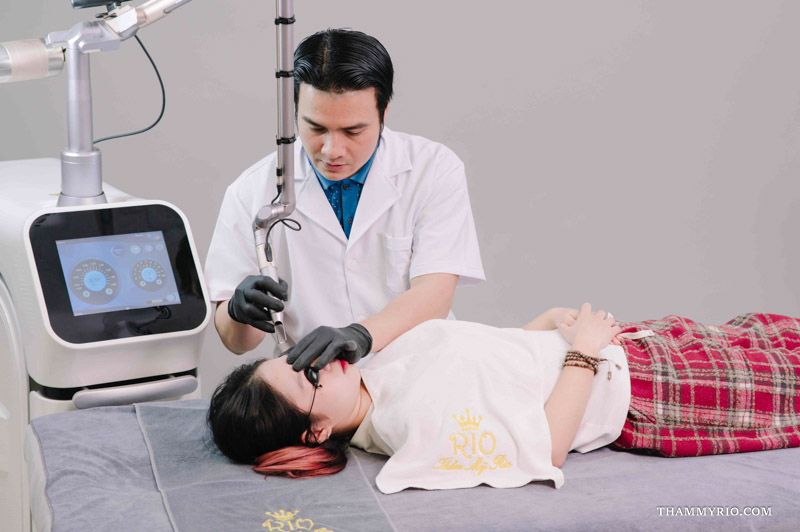

Có thể bạn quan tâm:
Best dermal fillers in Hanoi: 2027 clinic guide
Navigating aesthetic treatments in a vibrant foreign city can feel overwhelming,
Dermal filler cost: 2027 price guide and breakdown
Navigating aesthetic treatments requires a clear understanding of financial requirements as
Nose filler: Get a defined profile without surgery
Achieving a balanced and harmonious facial profile no longer requires going
2 Comments
Breast filler safety and complete guide
Choosing a non-surgical approach to enhance body contours has become increasingly
Jawline fillers: Sculpt your jaw with instant results
Achieving a structured lower face without surgery has become one of
Filler dissolving: Complete guide and safety tips 2027
Dermal fillers offer a non-surgical solution to restore volume and refine