


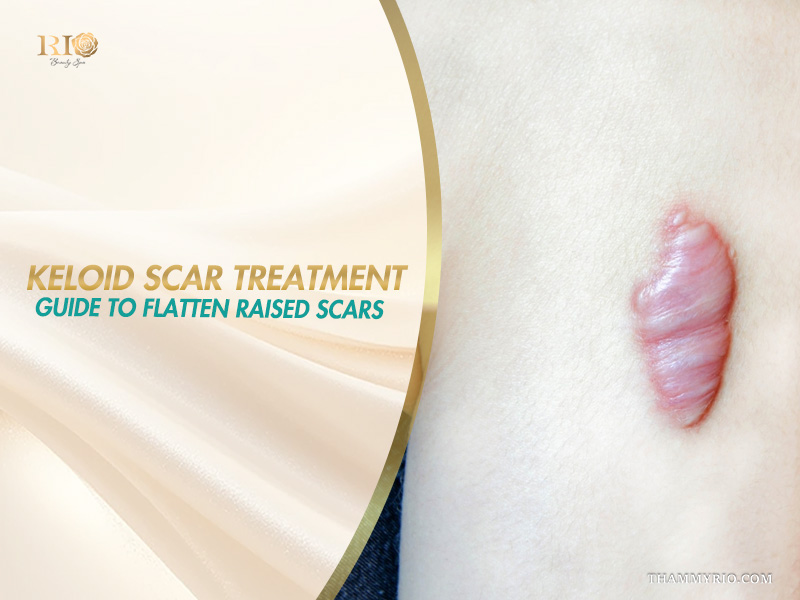
A raised scar that continues to grow beyond the original wound may be a keloid. These scars can develop after acne, burns, surgery, cuts, or body piercings. The right keloid scar treatment depends on the scar’s size, location, age, symptoms, and history of previous treatment. Understanding the options helps you prepare for a realistic, individualized treatment plan.
Understanding keloid scars and how they form
Understanding how keloids develop is an important first step toward choosing suitable care. A raised scar is not always a keloid, so identifying its characteristics can help guide the next steps.
What is a keloid scar and where does it commonly appear?
A keloid is an overgrowth of scar tissue that extends beyond the boundaries of the original wound. It develops when the skin produces excess collagen during healing. Unlike many ordinary scars, a keloid may continue growing after the initial injury has healed.
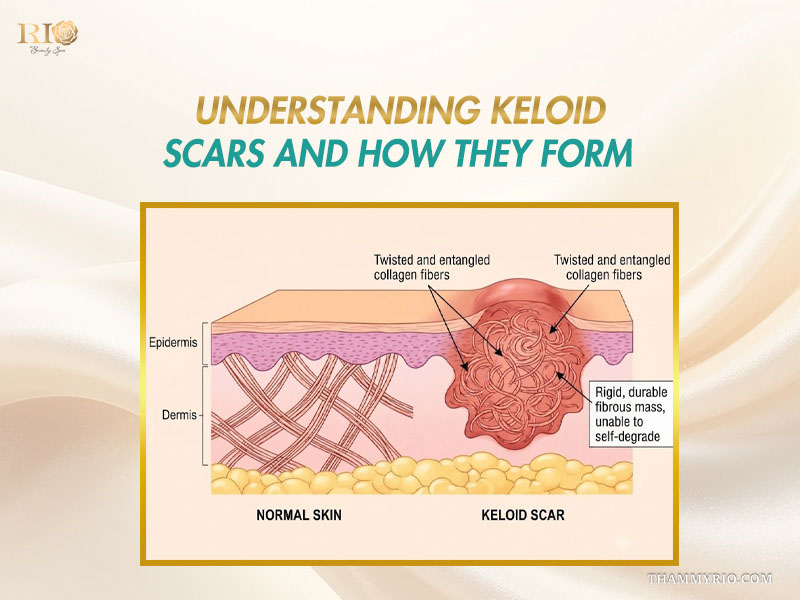
Keloids can appear following acne, minor cuts, surgery, burns, injections, or piercings. Common locations include:
- Earlobes and ears: Often associated with piercing or other local skin injuries.
- Chest and shoulders: Areas where skin tension may contribute to scar development.
- Upper back and jawline: Locations where acne or other inflammation may leave lasting marks.
- Other injured areas: A keloid may develop wherever susceptible skin has been damaged.
Keloids can be raised, firm, shiny, reddish, brown, or darker than nearby skin. Some cause itching or tenderness, while others mainly affect appearance. When a growth changes unexpectedly or the diagnosis is uncertain, a qualified healthcare professional should assess it.
Causes and risk factors contributing to raised scars
Keloid formation involves an abnormal wound-healing response. The exact cause is not fully understood, but several factors can increase the likelihood of developing a keloid:
- Personal or family history: A previous keloid or a close relative with keloids may indicate an increased tendency to form them.
- Skin injury: Acne, piercings, burns, surgery, and cuts can trigger keloid formation in susceptible people.
- Age: Keloids commonly begin during adolescence or early adulthood, although they can occur at other ages.
- Wound tension and inflammation: Some body areas experience mechanical tension that may contribute to raised scar formation.
- Repeated skin trauma: Repeated irritation or injury can trigger further abnormal scarring in people who are prone to keloids.
Having one or more risk factors does not mean a keloid will necessarily develop. However, people with a history of keloids may benefit from discussing preventive measures before elective procedures that injure the skin.
Key differences between keloid scars and hypertrophic scars
Keloids and hypertrophic scars both rise above the skin, but their growth patterns differ.
A hypertrophic scar usually remains within the original wound’s boundaries. It may gradually become softer or flatter as the scar matures.
A keloid scar extends beyond the initial injury and can continue growing. It may persist for years and can return after treatment.
This distinction matters because approaches used for a hypertrophic scar may not be appropriate for a keloid. Surgery alone, for example, carries a substantial recurrence risk when used to remove a keloid. A clinician may recommend additional treatment to reduce that risk.
For a closer comparison, read the guide to hypertrophic scar treatment.
Effective options for keloid scar reduction
The goal of keloid scar reduction is to decrease scar thickness, soften firm tissue, ease itching or discomfort, and improve appearance. No single treatment works the same way for every person. Some keloids need a combination of treatments and ongoing follow-up.
Non-invasive solutions for early-stage keloid scar reduction
Early assessment can help determine whether a keloid is suitable for conservative care or needs a medical procedure.
Silicone gel and sheets are commonly used on fully healed skin. With consistent use, they may help improve scar texture, firmness, redness, or itching. They can also form part of a prevention plan for people at risk of raised scars.
Pressure therapy may be useful for certain keloids, especially earlobe scars. Special pressure earrings, dressings, or garments may be recommended after assessment. The device needs to fit correctly and be used according to professional instructions.
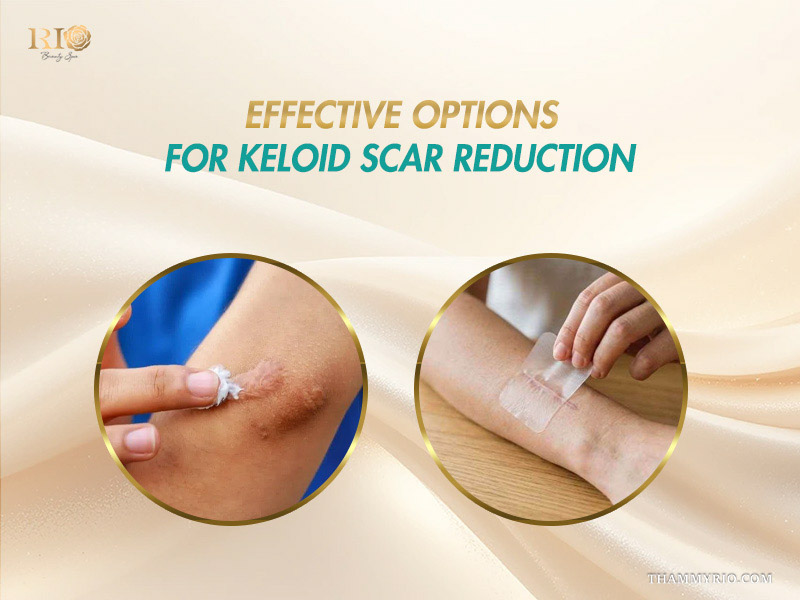
Avoiding further trauma is also important. Do not pick, cut, squeeze, or repeatedly irritate the scar. If acne or another skin condition contributed to the injury, managing that condition may help prevent additional scarring.
These measures may support scar management, but established or growing keloids may require medical treatment. Do not apply silicone sheets to open or unhealed skin unless specifically instructed by a healthcare professional.
Advanced medical procedures for old keloid scar treatment
Longstanding, thick, or symptomatic keloids may require more than home care. The appropriate approach depends on the scar’s location, size, previous treatments, and the person’s tendency to form raised scars.
Corticosteroid injections are frequently used to soften and flatten keloid tissue. Several sessions may be needed. In some cases, a clinician may combine corticosteroids with another medication, such as 5-fluorouracil (5-FU), depending on the scar and treatment history.
Cryotherapy uses controlled freezing to treat selected keloids, particularly smaller lesions. It may reduce scar thickness, although more than one session may be necessary. Skin color changes, blistering, and discomfort are possible side effects.
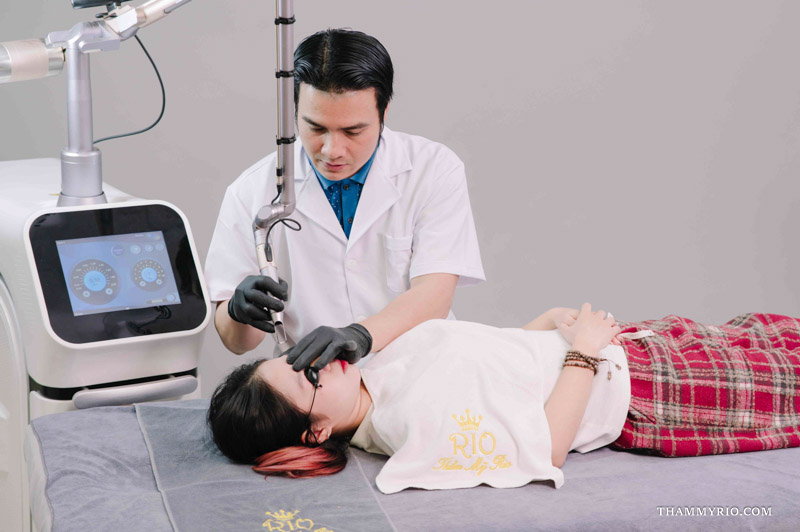
Laser treatment may help reduce redness, improve selected surface characteristics, or support a combination treatment plan. The choice of laser depends on the treatment goal. Pulsed-dye lasers are often considered for redness and symptoms, while fractional CO₂ laser has also been investigated for scar texture and thickness.
A 2024 meta-analysis found improvements in several keloid scar characteristics following fractional CO₂ laser treatment, but further research is needed to clarify its role and long-term outcomes. Laser is not appropriate for every keloid and should not be presented as a guaranteed stand-alone solution. For selected cases, a clinician may consider it alongside injections or other approaches.
Learn more about technology Fotona 5D laser CO2 fractional and discuss the suitability of any laser procedure with a qualified provider.
Surgical removal may be considered for selected keloids that have not responded to other methods or cause functional problems. However, cutting out a keloid without follow-up treatment carries a high risk of regrowth, sometimes with a larger scar. A treatment plan may include postoperative corticosteroid injections, pressure therapy, silicone care, or other measures selected by the treating team.
Surgery should therefore be considered as part of a broader plan rather than an isolated procedure. For related information, see surgical scar treatment.
Professional care at a specialized keloid treatment clinic
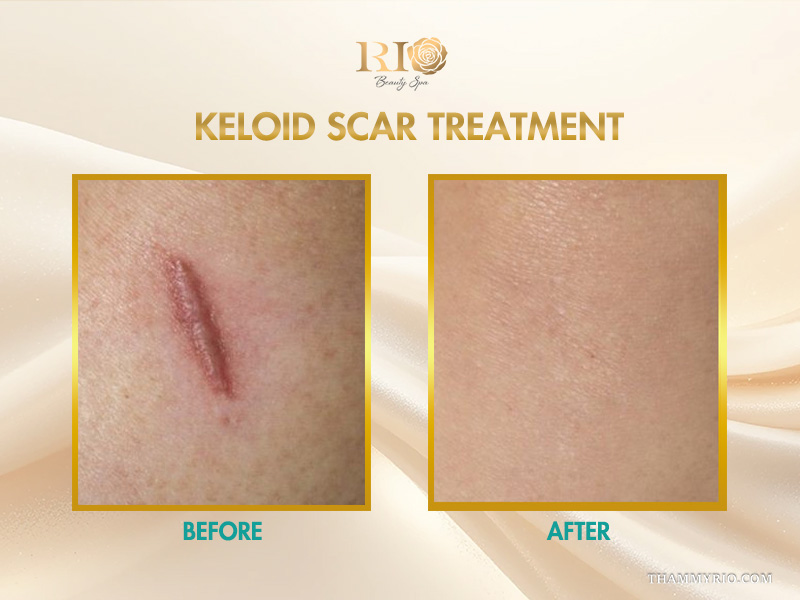
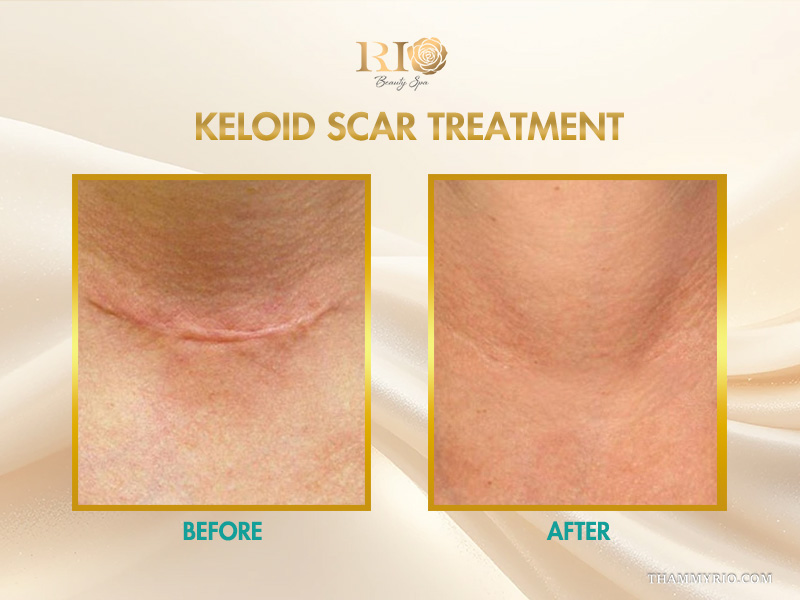
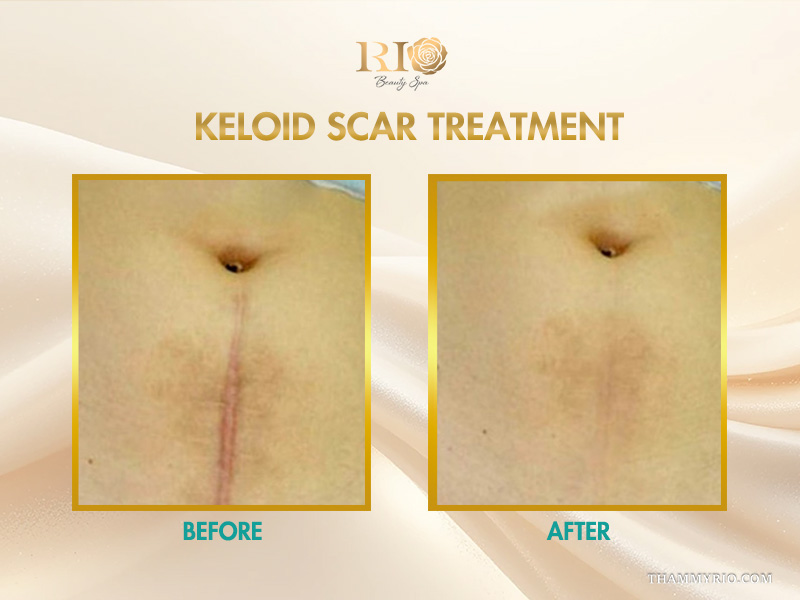
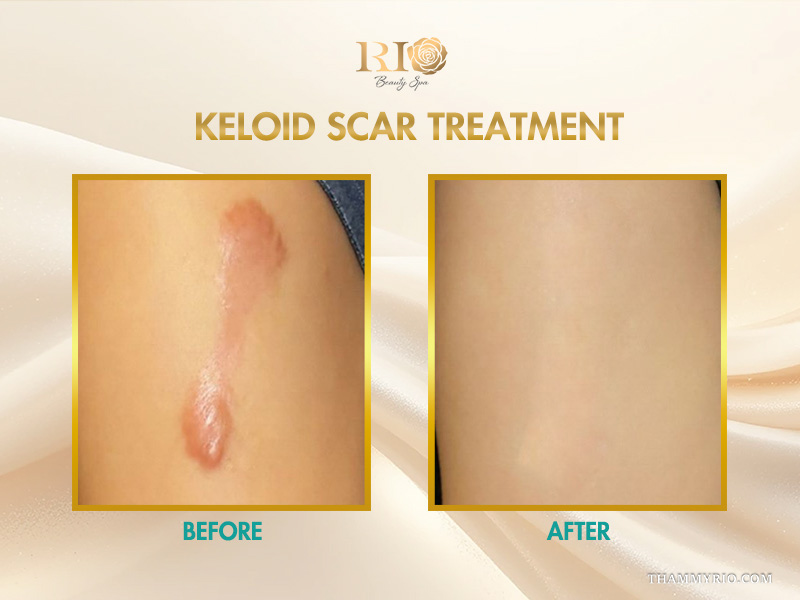
Choosing a keloid treatment clinic involves more than comparing prices or looking at before-and-after photographs. The provider should assess the scar, explain the diagnosis, discuss treatment options, and address recurrence risk.
During a consultation, ask about the practitioner’s qualifications, experience with keloids, expected treatment schedule, possible side effects, and follow-up arrangements. A useful plan should explain what improvement is realistic and what happens if the scar returns.
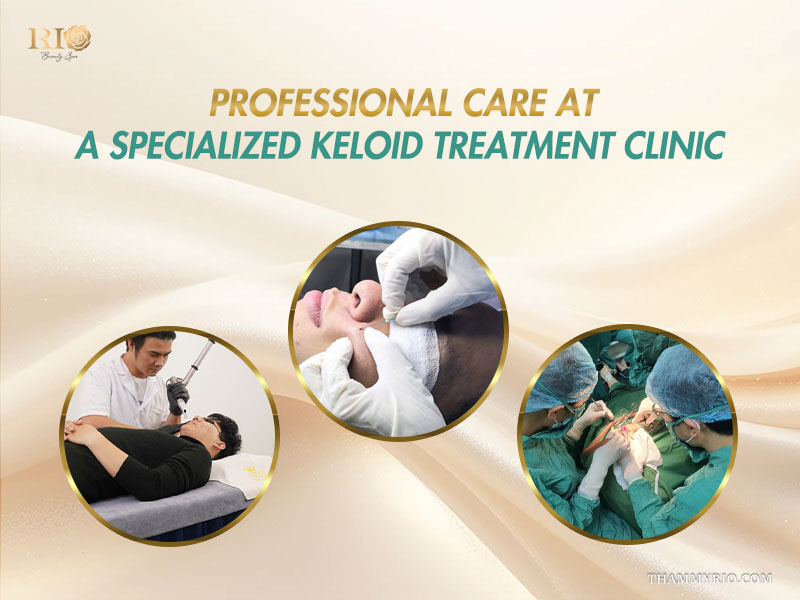
For information about available scar services and appointment details, visit the keloid scar treatment page or the general scar treatment services.
Rio Beauty Clinic lists its address as Tay Ho, Hanoi, Vietnam. You can review clinic location and contact information before arranging a visit. If you are considering medical treatment for a keloid, confirm that the professional responsible for your care is appropriately qualified to assess and manage the condition.
How to prevent keloid scars from returning
Keloids may recur even after their size or symptoms improve. Prevention therefore involves careful aftercare, appropriate follow-up, and limiting avoidable skin injuries, particularly for people with a history of keloid formation.
Essential skin care tips after keloid scar treatment
After a procedure, follow the care instructions provided by the treating professional. Depending on the treatment, these may include keeping the area clean, protecting it from friction, and using prescribed products as directed.
Once the wound has closed, silicone gel or sheets may be recommended as part of a scar-management plan. Pressure dressings or specialized earrings may also be used for selected scars. Do not improvise compression or use products on open wounds without professional guidance.

Protect healing skin from excessive sun exposure, especially if treatment can cause temporary changes in pigmentation. Avoid picking at crusts or irritating the treated area with harsh products.
Attend follow-up appointments as advised. If redness, pain, swelling, warmth, or discharge worsens, seek medical advice rather than assuming it is a normal part of recovery.
Proactive habits to minimize raised scar formation
People who have developed keloids before should take extra care when planning procedures that injure the skin.
- Treat acne early: Controlling inflammatory acne can reduce the chance of new wounds that may trigger keloids.
- Consider the risks before elective piercings or tattoos: These procedures can create new injuries in people prone to keloid formation.
- Care for wounds properly: Keep wounds clean and follow appropriate guidance rather than repeatedly irritating the healing area.
- Discuss preventive options in advance: If surgery or another necessary procedure is planned, tell the healthcare professional about your keloid history before treatment begins.
These habits cannot prevent every keloid, but they can help reduce avoidable triggers and support safer planning.
Frequently asked questions about keloid scar treatment
There are some frequently asked questions about keloid scar treatment.
Can keloid scars be removed permanently?
There is no treatment that guarantees a keloid will never return. Injections, silicone, cryotherapy, laser treatment, and selected surgical approaches may improve its appearance or symptoms. Because recurrence is possible, long-term management may be part of the plan.
What is the most effective treatment for raised keloid scars?
The appropriate treatment depends on scar size, location, symptoms, previous treatment, and skin characteristics. Corticosteroid injections, silicone products, pressure therapy, cryotherapy, laser procedures, and combined approaches may be considered. A qualified professional can explain which options suit the individual case.
Can old keloid scars still be treated?
Yes. Longstanding keloids may still respond to treatment, although the degree of improvement varies. Previous procedures and recurrence history are important when selecting an approach. The aim may be to soften or flatten the scar, ease symptoms, or reduce its visibility rather than remove it entirely.
Does laser treatment work for keloid scars?
Some laser procedures may help with redness, texture, or scar thickness in selected cases. Fractional CO₂ laser has been studied, but the evidence does not mean it is suitable for every keloid. Laser may be considered as part of a combined plan, depending on professional assessment and individual risk factors.
Finding a suitable keloid scar treatment plan
Keloid scars can persist, cause discomfort, and affect confidence, but several treatment options may help improve their appearance and symptoms. Silicone products and pressure therapy may support scar care, while injections, cryotherapy, selected laser procedures, or surgery with follow-up treatment may be considered for more established keloids.
The goal of keloid scar treatment is to manage the scar in a way that reflects its characteristics and the person’s medical history. Because recurrence is possible, a clear plan should cover treatment selection, aftercare, and follow-up rather than focusing on removal alone.
To explore available services, review keloid scar treatment, the scar treatment process, and scar treatment costs. These resources can help you prepare questions before speaking with a qualified professional.
Contact and keloid scar treatment information
For service details or appointment inquiries, contact Rio Beauty Clinic through the following channels:
- Email: Telesale.riostudio1@gmail.com or thammyrio999@gmail.com
- WhatsApp: +84 966 941 999 or +84 963 246 533
- Instagram: Rio Beauty Clinic on Instagram
- Facebook: Rio Beauty Clinic on Facebook
- Website: Rio Beauty Clinic
Before proceeding, ask about the qualifications of the professional who will assess your scar, the available treatment options, possible side effects, expected costs, and the follow-up plan.

Có thể bạn quan tâm:
3 best lip neutralization near me in Hanoi
Finding a trusted aesthetic studio changes your appearance significantly, prompting the
Burn scar treatment options for smooth skin
Dealing with visible skin marks from thermal damage affects daily confidence.
Fractional CO2 laser acne scar treatment secrets revealed
Persistent facial blemishes often leave stubborn textural damage that standard skincare
Real scar treatment results at Rio Beauty Clinic
Evaluating aesthetic interventions requires looking beyond marketing claims to examine tangible
Laser for keloid scars: Shocking truth before you buy
Dealing with raised, thick skin marks can be frustrating, especially when
Laser for dark scars: complete guide to clear skin
Dealing with lingering marks after skin injuries or blemishes can impact