


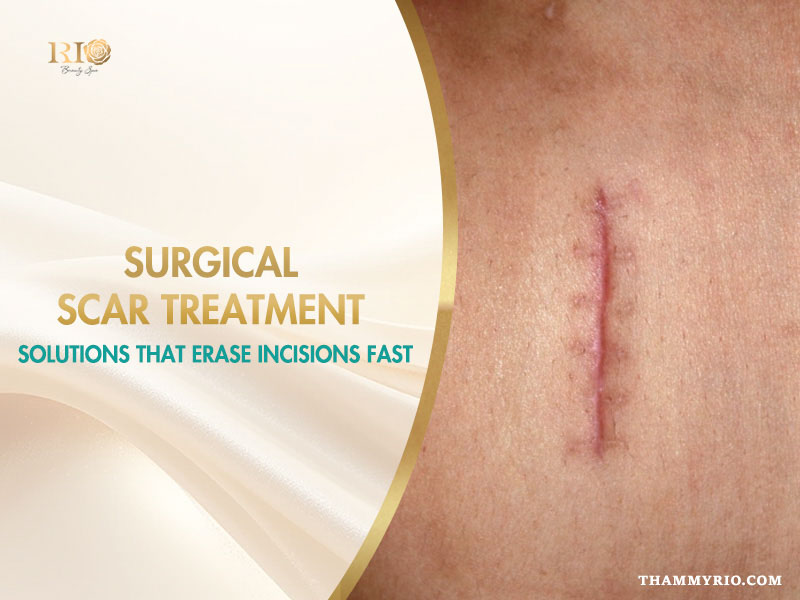
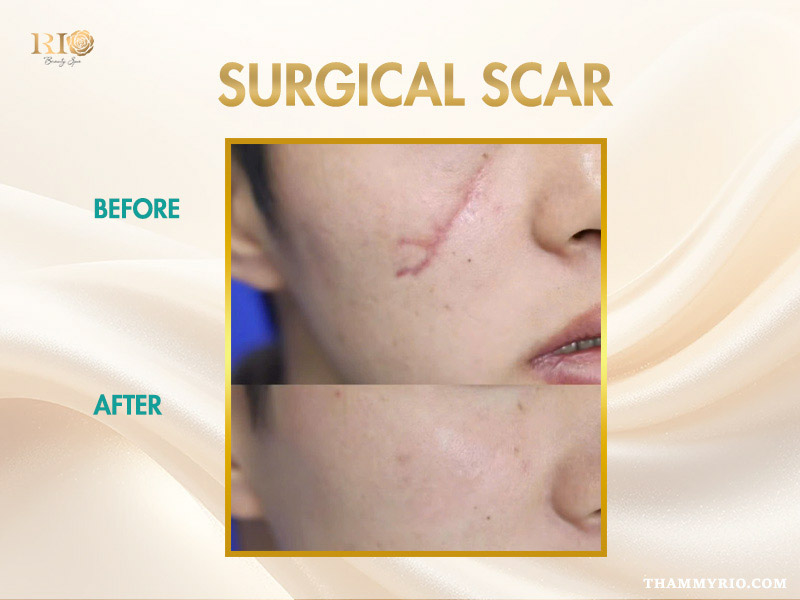
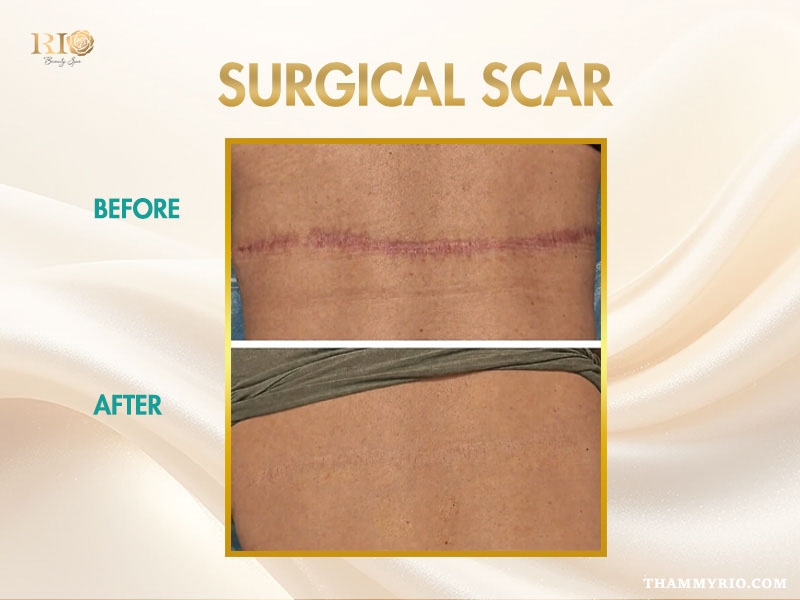
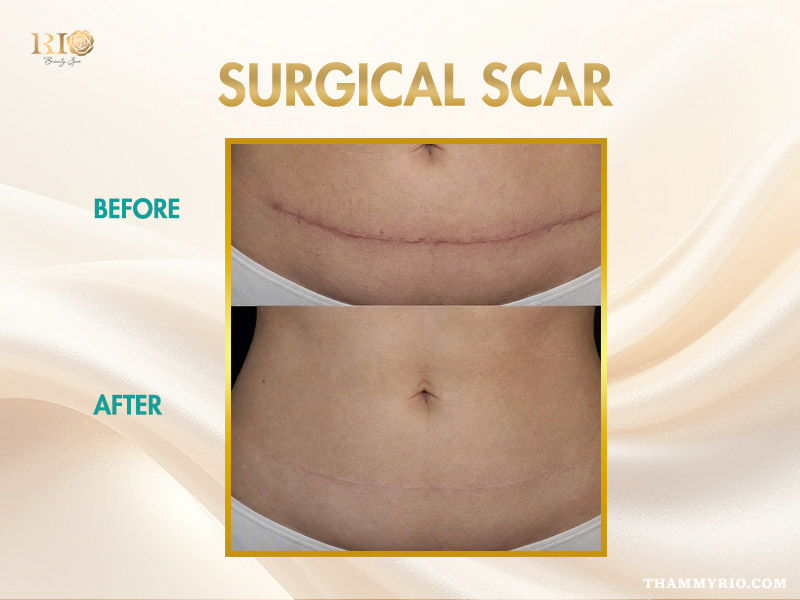
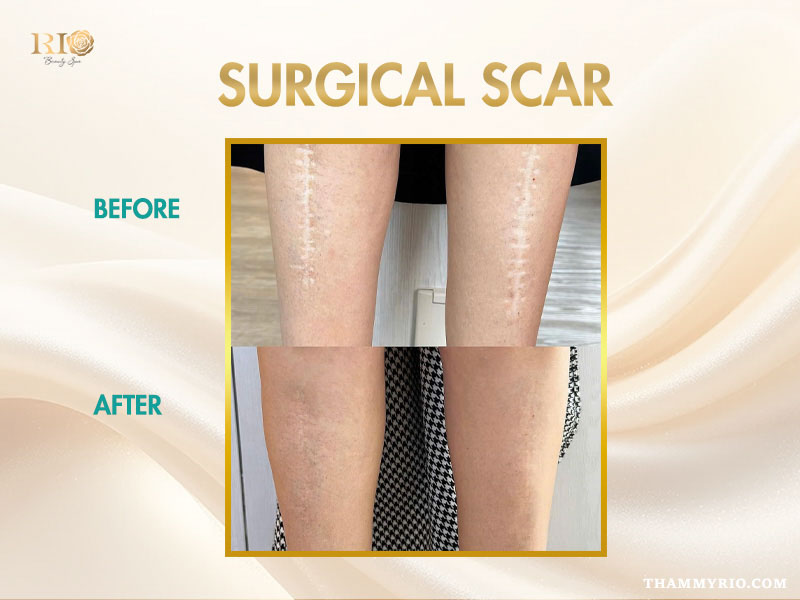
Navigating life after an operation involves healing both internal and external wounds, where choosing the right surgical scar treatment helps individuals diminish prominent incision lines and restore smooth skin texture efficiently.
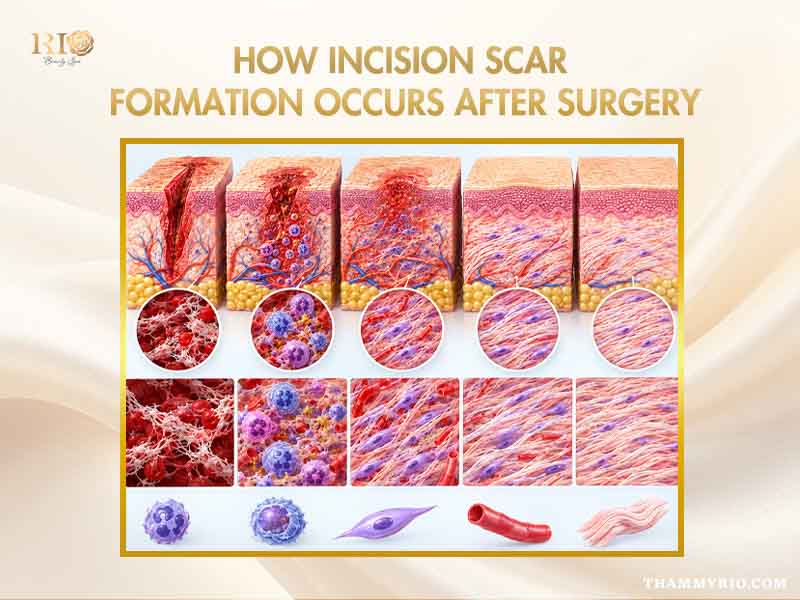
How incision scar formation occurs after surgery
Understanding how dermal tissue responds to surgical cuts reveals why professional surgery scar treatment requires a tailored approach based on biological healing stages.
Phasing through natural skin healing steps
Dermal recovery unfolds across distinct biological milestones. Initially, the inflammatory phase cleanses the wound and halts bleeding. Next, the proliferation phase activates fibroblasts to produce collagen fibers, bridging the tissue gap. Finally, the remodeling phase organizes collagen alignment, gradually softening the scar tissue over several months.
Factors causing visible surgical scar formation
Several variables influence whether an incision heals invisibly or leaves a noticeable mark. High skin tension across joint areas, genetic predisposition to abnormal fibrosis, postoperative inflammation, and accidental wound disruption during early recovery stages frequently lead to pronounced or discolored scars.
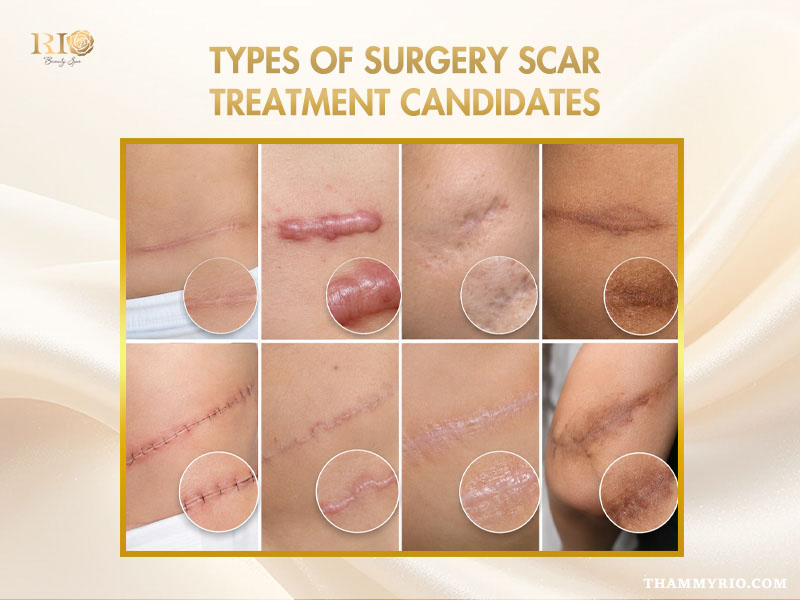
Types of surgery scar treatment candidates
Identifying specific scar classifications helps specialists determine appropriate care strategies for diverse patients seeking scar treatment after surgery.
| Scar Classification | Primary Characteristics | Recommended Approach |
| Hypertrophic scars | Raised, pinkish or red bands confined within original incision borders. | Laser resurfacing and flattening protocols |
| Atrophic scars | Depressed, pitted areas resulting from inadequate collagen synthesis. | Micro-needling and dermal remodeling |
| Keloid scars | Thick, irregular growths extending beyond original surgical boundaries. | Specialized reduction injections and multi-tech fading |
| Flat pale scars | Linear marks lacking melanin, creating stark contrast with surrounding skin. | Parametrical skin tone micro-pigmentation |
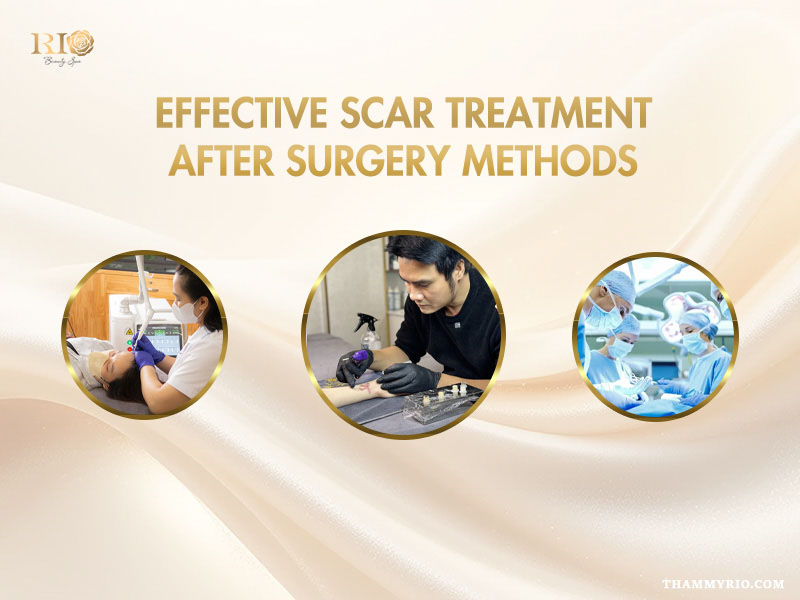
Effective scar treatment after surgery methods
Modern medical aesthetics utilizes advanced multi-modal approaches to deliver successful postoperative scar treatment outcomes without invasive surgical revisions.
Fractional CO2 laser resurfacing for structural repair
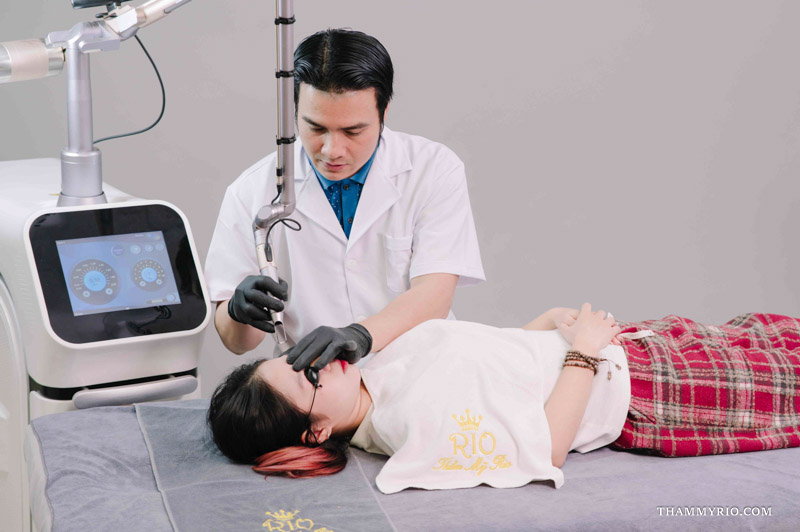
Fractional laser technology delivers micro-thermal energy columns deep into the dermis, breaking down rigid collagen bundles and stimulating fresh cellular regeneration. This process smooths uneven surfaces and promotes healthy tissue reorganization, often integrated within advanced technology Fotona 5D laser CO2 fractional protocols.
Medical skin tone tattooing for scar camouflage
When fibrous marks permanently lose natural pigmentation, specialized paramedical techniques implant biocompatible organic pigments into the upper skin layers. This precise color matching restores uniform tone, bridging the gap between injured and healthy skin as detailed in scar camouflage tattoo.
Surgical scar revision for severe incision marks
For wide, distorted, or severely contracted incision lines, minor surgical revision removes old scar tissue and re-approximates skin edges with meticulous tension-free closure, followed by non-invasive maintenance care like keloid scar treatment or hypertrophic scar treatment.
Professional surgical scar treatment procedure
A standardized clinical protocol ensures safety and optimal scar treatment results through four key phases: clinical evaluation, custom plan design, precision execution, and recovery monitoring. Learn more about the detailed scar treatment process.
Safety guidelines for optimal incision scar treatment results
Adhering to strict clinical safety measures maximizes recovery efficiency and protects skin integrity during incision scar treatment.
Essential post care rules for optimal skin recovery
Maintaining strict hygiene around treated areas prevents secondary infections. Patients must keep the healing skin moisturized using approved restorative balms, protect vulnerable tissue from ultraviolet radiation by applying broad-spectrum sunscreens, and attend scheduled clinical check-ups.
Important mistakes to avoid during scar healing
Scratching or prematurely peeling micro-crusts disrupts fragile regenerating tissue. Furthermore, exposing fresh scars to direct sunlight without protection triggers post-inflammatory hyperpigmentation, while applying unverified chemical cosmetics can cause severe irritation.
Experience expert care at Rio Beauty Clinic
Achieving smooth, even-toned skin requires trusted professional guidance and dedicated clinical expertise. At Rio Beauty Clinic, our experienced specialists combine advanced technology with personalized care to deliver exceptional scar treatment services tailored to your unique skin profile. Discover transparent scar treatment cost options and start your journey toward restored confidence today.
Contact and surgical scar treatment booking information:
- Hotline / WhatsApp: +84 966 941 999 or +84 963 246 533
- Email: Telesale.riostudio1@gmail.com or thammyrio999@gmail.com
- Instagram: Rio Beauty Clinic
- Fanpage: Rio Beauty Clinic

Có thể bạn quan tâm:
Stop guessing your healed microblading outcome today
Seeing your final healed microblading eyebrows takes patience and proper care.
Can tattoo removal leave scars? Discover the truth
Regretting a piece of ink often leads to one primary concern:
Scar treatment methods you need to know now
Finding the right scar treatment methods is essential for individuals seeking
Scar treatment process guide: Secret to fast results
Navigating skin restoration requires a clear, structured roadmap. Understanding the standard
Top scar treatment clinic in Hanoi: How to choose
Finding a reliable scar treatment clinic in Hanoi requires careful evaluation
3 best lip neutralization near me in Hanoi
Finding a trusted aesthetic studio changes your appearance significantly, prompting the