


Intimate skin concerns are more common than many women realize, yet they remain one of the least discussed topics in beauty and wellness. If you have ever felt self-conscious about darkening in your bikini area, inner thighs, or other private regions, you are not alone. This condition, medically known as hyperpigmentation of the intimate area, affects countless women across all ages and backgrounds.
The good news is that dark private areas are entirely normal, and there are effective solutions available. Whether you are looking to understand why these changes occur or exploring professional treatments, this guide will walk you through everything you need to know.
Is darkening of intimate areas normal?
Yes—darkening of the intimate areas is completely normal. In fact, it is a natural biological response that happens to many women at some point in their lives. The skin in the genital region contains higher concentrations of melanocytes, the cells responsible for producing melanin (the pigment that gives skin its color). This makes intimate areas more prone to pigmentation changes compared to other parts of the body.
However, what is considered “normal” varies widely from person to person. Skin color in intimate areas can range from pink to brown to deep purple, depending on genetics, ethnicity, and hormonal factors. The key distinction is whether the darkening is a natural variation or a sign of an underlying condition.
How common is hyperpigmentation in the genital area?
Hyperpigmentation in the genital area is far more common than most people realize. While exact statistics vary, dermatologists and aesthetic specialists report that a significant portion of their female patients seek advice about intimate area darkening at some point.
This prevalence is not surprising when you consider the many factors that can trigger increased melanin production in this region.
From hormonal shifts during pregnancy to the daily friction of clothing and physical activity, the intimate area is subjected to a unique combination of influences that make it particularly susceptible to pigmentation changes.
Many women mistakenly believe they are the only ones experiencing this issue, leading to unnecessary anxiety and self-consciousness. Understanding that intimate area pigmentation is a widespread concern can be the first step toward finding a solution that works for you.
Why do intimate areas become darker over time?
The darkening of intimate areas is rarely caused by a single factor. Instead, it is typically the result of multiple influences that accumulate over time. Understanding these causes can help you identify which factors may be affecting you and what steps you can take to address them.
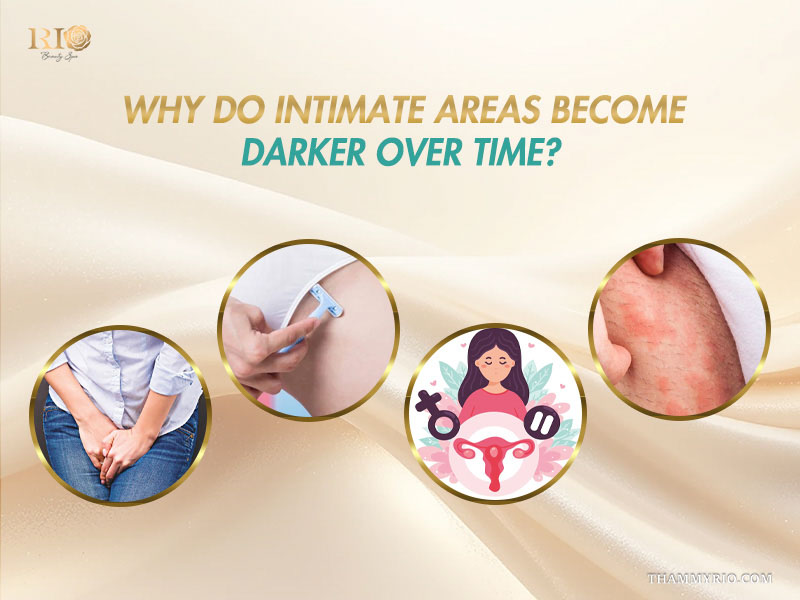
Repeated friction, skin inflammation, and cumulative irritation over time
One of the most common contributors to skin discoloration in private areas is friction. Tight clothing, especially synthetic fabrics that do not breathe well, can create constant rubbing against the delicate skin of the bikini area and inner thighs. Over time, this repeated friction triggers an inflammatory response that stimulates melanin production.
Physical activities like cycling, running, or even prolonged sitting can exacerbate this issue. Sexual activity, while a normal and healthy part of life, can also contribute to friction-related darkening. Additionally, the use of harsh soaps, fragrances, or other irritants in the intimate area can cause low-grade inflammation that gradually leads to pigmentation changes.
Natural aging and the cumulative changes that occur in the skin over time
Collagen and elastin production decreases, skin becomes thinner, and cell turnover slows down. These natural aging processes can make intimate area darkening more noticeable over time.
The cumulative effects of sun exposure, even indirect, can also contribute to pigmentation changes in the bikini area. While the genital region is not typically exposed to direct sunlight, UV rays can still affect the skin around the bikini line, especially during activities like sunbathing or swimming.
Post-inflammatory hyperpigmentation caused by repeated hair removal
Hair removal is a major contributor to intimate area hyperpigmentation. Whether you shave, wax, or use depilatory creams, these methods can cause microscopic trauma to the skin. The resulting inflammation often leads to post-inflammatory hyperpigmentation (PIH)—dark spots that appear after the skin has healed.
Shaving, in particular, is notorious for causing razor burn, ingrown hairs, and irritation, all of which can trigger PIH. Waxing, while longer-lasting, can also cause trauma to the hair follicles, leading to similar pigmentation issues. Even professional laser hair removal, while generally safe, can occasionally cause pigment changes in individuals with darker skin tones.
The effects of medications and underlying health conditions on skin pigmentation
Certain medications can make the skin more sensitive to pigmentation changes. Hormonal contraceptives, for example, can affect melanin production in some women. Antibiotics and other drugs that increase photosensitivity may also contribute to intimate discoloration.
Underlying health conditions such as polycystic ovary syndrome (PCOS), thyroid disorders, and insulin resistance can also affect skin pigmentation. In some cases, darkening of the intimate areas may be a sign of acanthosis nigricans, a condition characterized by dark, velvety patches of skin that often appears in body folds and creases.
Who experiences darkening of private areas?
While anyone can experience dark private areas, certain groups are more likely to notice these changes due to specific life events or circumstances.
Changes in intimate skin pigmentation during and after pregnancy
Pregnancy is one of the most common times for women to notice changes in intimate skin pigmentation. Hormonal fluctuations, particularly increases in estrogen and progesterone, stimulate melanin production throughout the body.
This is the same mechanism that causes the “mask of pregnancy” (melasma) on the face and the darkening of the areolas. Many women find that their intimate areas become significantly darker during pregnancy, and while some of this pigmentation fades after childbirth, others may find that it persists.
Individuals experiencing hormone-related changes in skin tone and pigmentation
Hormonal imbalances affect melanin production in ways that can lead to intimate area pigmentation. Conditions such as PCOS, which involves elevated androgen levels, can cause skin changes including darkening in body folds.
Thyroid disorders, both hyperthyroidism and hypothyroidism, can also affect skin pigmentation. Women going through perimenopause or menopause may notice changes in intimate skin color as their hormone levels shift.
Anyone experiencing frequent friction in the area
Athletes, fitness enthusiasts, and anyone whose lifestyle involves frequent physical activity may notice more skin discoloration in private areas due to constant friction.
People who are overweight or obese may also experience more friction in the groin area due to skin folds rubbing together. Similarly, those who wear tight clothing regularly, whether for fashion or occupational reasons, are at higher risk for friction-related pigmentation changes.
Available solutions for lightening dark private areas
If you are looking to address dark private areas, there are several approaches available—ranging from simple lifestyle adjustments to advanced bikini area whitening and other professional treatments.
Specialized in-clinic treatments for addressing intimate skin concerns
For those seeking effective, lasting results, professional treatments offer the most reliable solutions. These approaches are performed by trained specialists using advanced technology and medical-grade products.
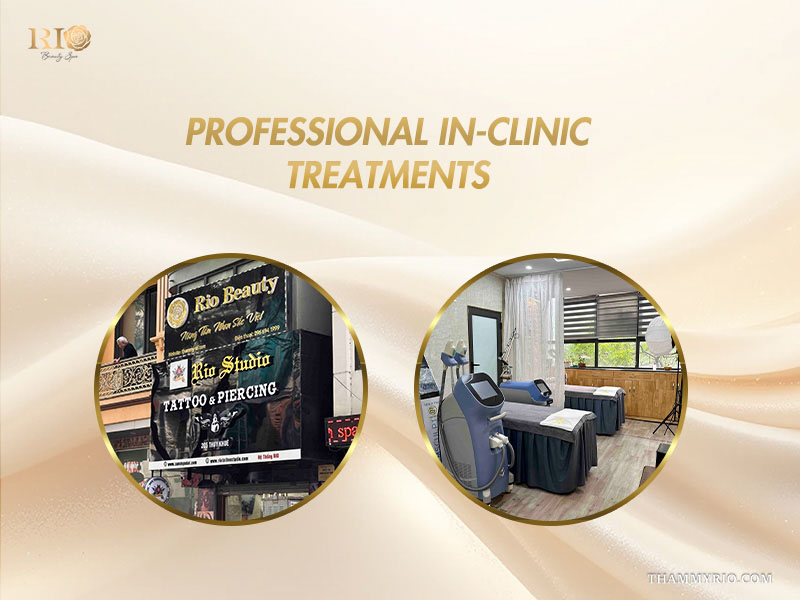
Advanced laser treatments for addressing intimate skin discoloration
Laser therapy is one of the most effective methods for addressing intimate area hyperpigmentation. Advanced lasers like the Picotech Advance and CO2 Fractional Fotona 5D work by delivering precise energy pulses that break down melanin pigment in the skin.
The laser targets only the pigmented areas, leaving surrounding healthy tissue unharmed. Over the following weeks, the body naturally eliminates the fragmented pigment, revealing lighter, more even-toned skin. Most patients require multiple sessions for optimal results, with improvements visible after each treatment.
Cosmetic tattooing (permanent makeup) for areola and bikini areas
Cosmetic tattooing, also known as micropigmentation, is a specialized technique for restoring color to the areolas and bikini area. Unlike traditional tattoos, which use standard inks and deeper needle penetration, cosmetic tattooing for intimate areas uses organic pigments and shallower implantation.
This approach is particularly effective for women who have experienced significant pigmentation loss or want to achieve a specific aesthetic result. The pigments are carefully matched to the individual’s natural skin tone, creating a result that looks natural and blends seamlessly with the surrounding skin.
Chemical peels and topical prescription treatments
Medical-grade chemical peels can be effective for mild to moderate intimate area pigmentation. These treatments use carefully formulated acids to exfoliate the top layers of skin, encouraging the growth of new, lighter skin cells.
Prescription-strength topical creams containing ingredients like hydroquinone, kojic acid, or azelaic acid may also be recommended by specialists. These treatments work by inhibiting melanin production and promoting skin cell turnover. However, they require consistent use over several weeks or months to achieve noticeable results.
At-home topical products
For those who prefer a more gradual approach, over-the-counter topical products can help address dark private areas. Look for products containing ingredients like:
- Kojic Acid: Derived from mushrooms, this ingredient has natural skin-lightening properties
While at-home products can be effective for mild pigmentation, they typically take longer to show results and may not be sufficient for more pronounced darkening.
Professional intimate lightening services at thẩm mỹ rio beauty clinic
When it comes to addressing dark private areas, choosing the right provider is essential. Thẩm Mỹ Rio Beauty Clinic has established itself as a trusted name in aesthetic services, with a particular focus on intimate lightening treatments.
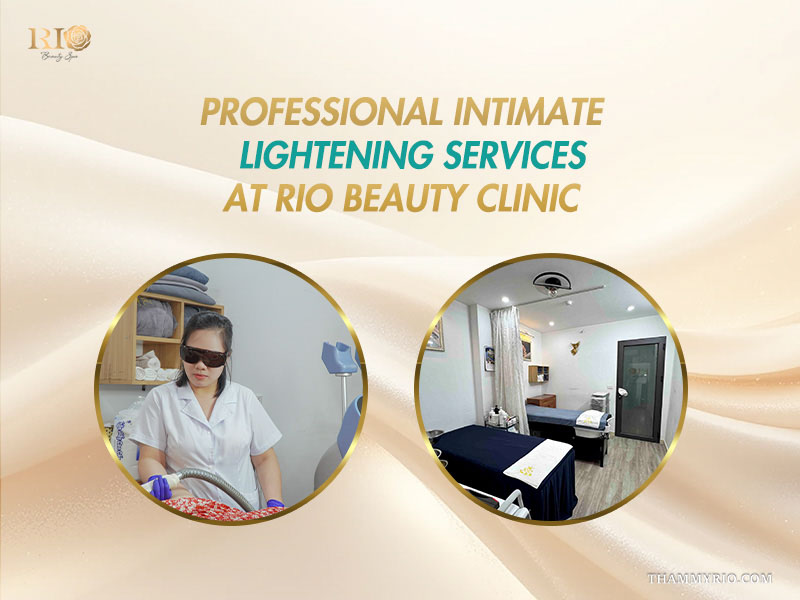
The rio light pink skin method
At the heart of Rio’s intimate lightening services is the Rio Light Pink Skin method. This proprietary approach combines advanced micro-needle techniques with high-quality organic pigments to achieve natural-looking results.
The technology is designed specifically for sensitive areas, ensuring that treatments are both effective and comfortable. Unlike traditional methods that may use harsh chemicals or aggressive techniques, Rio Light Pink Skin works with the skin’s natural processes to achieve gradual, lasting improvement.
Laser + cosmetic tattooing combination approach
What sets Thẩm Mỹ Rio apart is the innovative combination of laser therapy and cosmetic tattooing. This two-phase approach addresses intimate area hyperpigmentation from multiple angles.
The first phase uses advanced laser technology to break down existing melanin deposits, effectively “resetting” the skin’s baseline pigmentation. The second phase involves cosmetic tattooing to enhance and perfect the results, creating a natural, youthful appearance that is tailored to each individual’s skin tone and aesthetic goals.
Rio’s experienced team and personalized approach to aesthetic care
The expertise behind Rio’s services is what truly makes a difference. The clinic is home to some of Vietnam’s most respected aesthetic professionals:
- Master Trần Mạnh Thắng: With over 20 years of experience in the aesthetics industry, Master Thắng is a leading authority on laser treatments for pigmentation issues.
- Grand Master Phạm Thanh Tâm: With more than 16 years of experience, Grand Master Tâm has helped countless clients achieve their aesthetic goals through expert cosmetic tattooing techniques.
- Master Thúy Tiên: A talented specialist with a refined aesthetic sense and up-to-date knowledge of the latest trends and techniques.
This team’s combined experience ensures that each client receives personalized care from professionals who understand the unique considerations of intimate treatments.
Combining picotech advance and fotona 5d lasers for root cause treatment
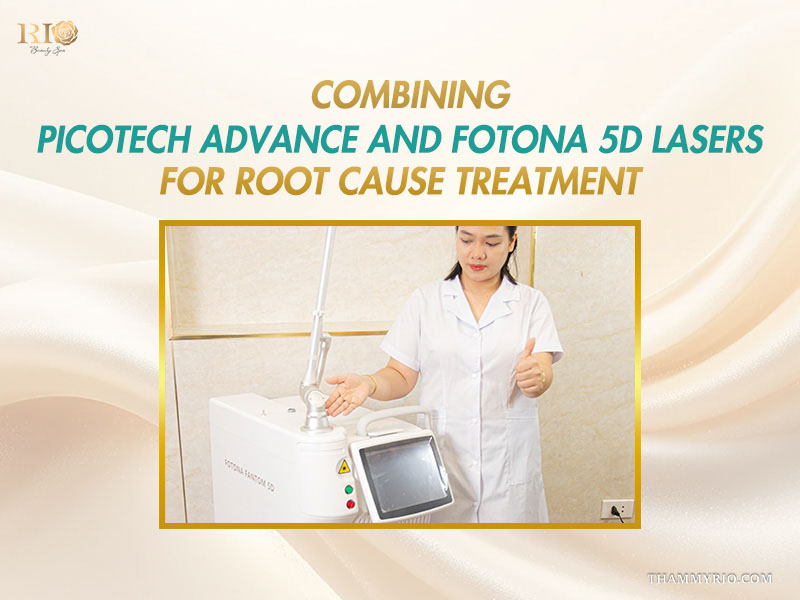
The clinic’s commitment to using state-of-the-art technology is evident in their laser selection. The combination of Picotech Advance and CO2 Fractional Fotona 5D lasers represents the gold standard in pigment treatment.
The Picotech Advance uses ultra-short pico-second pulses to fragment melanin particles with remarkable precision, while the Fotona 5D stimulates collagen production and skin rejuvenation. Together, these technologies address both the pigment and the underlying skin condition, promoting long-lasting results.
The rio pink secret: an effective at-home treatment option
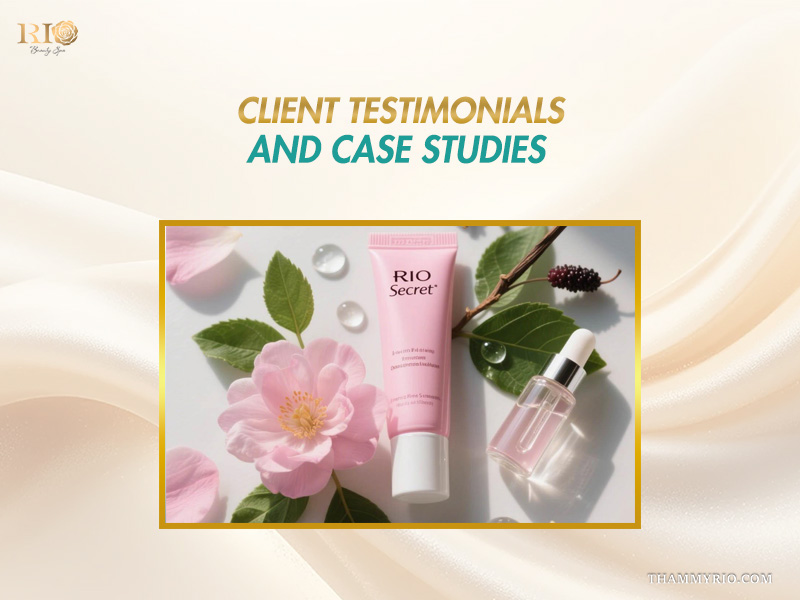
For those who prefer not to visit a clinic or are unable to do so, Thẩm Mỹ Rio offers Rio Pink Secret—a professional-grade at-home treatment product designed specifically for intimate lightening.
Rio Pink Secret is formulated with a proprietary blend of premium ingredients that work together to help lighten dark areas over time with consistent use.
This cream is developed by the same team of experts behind Rio’s professional services, ensuring that the formulation meets the high standards of quality and safety that the brand is known for.
Key ingredients include Alpha Arbutin and Niacinamide to inhibit melanin production, Vitamin C for antioxidant protection, and Hyaluronic Acid for deep hydration and skin repair. The product is designed for those who want to take a proactive approach to intimate lightening from the comfort of their own home.
Post-treatment recovery and personalized aftercare recommendations
Proper aftercare is crucial for achieving the best possible results from any intimate lightening treatment. Thẩm Mỹ Rio provides comprehensive aftercare guidance to all clients.
Dark private areas are a common and completely normal concern that affects women of all ages and backgrounds. Understanding the causes—from hormonal changes and friction to hair removal methods and aging—is the first step toward finding an effective solution.
Whether you choose lifestyle adjustments, at-home products like Rio Pink Secret, or professional treatments at a trusted clinic, the key is to select an approach that aligns with your individual needs and goals. For those seeking comprehensive, lasting results, professional treatments offer the most reliable path forward.
Thẩm Mỹ Rio Beauty Clinic combines advanced technology, experienced specialists, and personalized care to help clients achieve their aesthetic goals. From the innovative Rio Light Pink Skin technology to the combination of Picotech Advance and Fotona 5D lasers, the clinic offers solutions that address the root causes of intimate pigmentation while prioritizing safety and comfort.
If you are ready to take the next step toward greater confidence and comfort in your own skin, consider reaching out to a trusted professional who can guide you through your options and help you achieve the results you desire.
Thẩm Mỹ Rio Beauty Clinic
- Address: 205 Thuy Ke, Tay Ho, Ha Noi
- Email: Telesale.riostudio1@gmail.com or thammyrio999@gmail.com
- Hotline & WhatsApp: +8496.694.1999 or +84963.246.533
- Instagram: https://www.instagram.com/tham.my.rio.beauty.clinic/
- Fanpage: https://www.facebook.com/thammyriobeauty


 “Phạm Thanh Tâm” Đã kiểm duyệt nội dung
Có thể bạn quan tâm:
Laser anal whitening: safe, effective & long-lasting results
Darkening around the anal and perianal area can develop gradually, and
Laser anal whitening: safe, effective & long-lasting results
Dark pigmentation in the perianal area is a common physiological response
Rio Pink Secret: At-home intimate brightening solution
Hyperpigmentation in intimate areas is a natural physiological response that many
Scar camouflage tattoo
Wearing tiger stripes sounds cool until those marks appear uninvited on
Whiten nipple: Effective tips and treatments
Many individuals seek to whiten nipple and areola areas to restore
Discover safe laser intimate skin bleaching solutions
Intimacy and body confidence go hand in hand, and for many,