


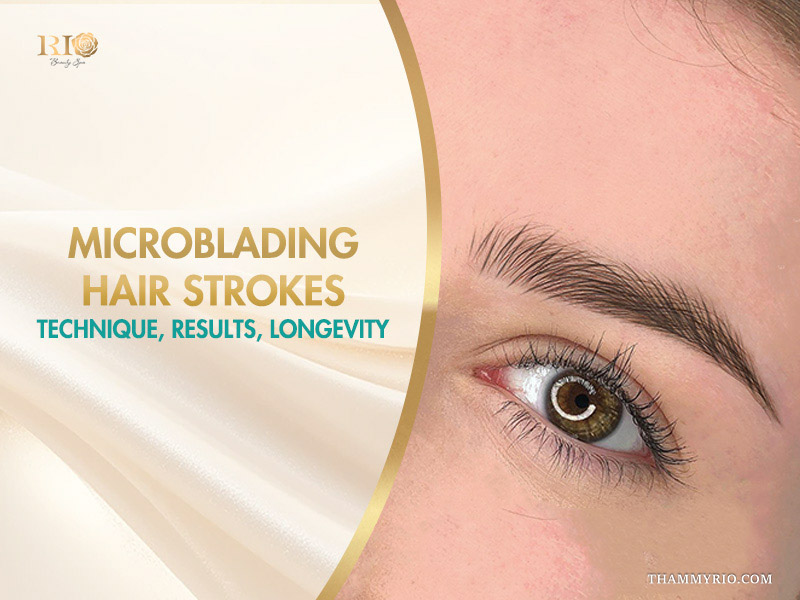
You wake up, look in the mirror, and desire fuller, defined brows without the daily hassle of pencils or powders. Microblading hair strokes represent the pinnacle of semi-permanent makeup, offering a hyper-realistic solution that blends seamlessly with your existing brow growth. This advanced aesthetic procedure creates the illusion of texture and volume, transforming sparse areas into lush arches. We invite you to explore the artistry behind these precise strokes and understand how they can redefine your facial aesthetics with lasting elegance.
What microblading hair strokes really mean
Understanding the definition helps you appreciate why microblading hair strokes remain a top choice for natural beauty enhancement.
The concept behind individual hair-like strokes
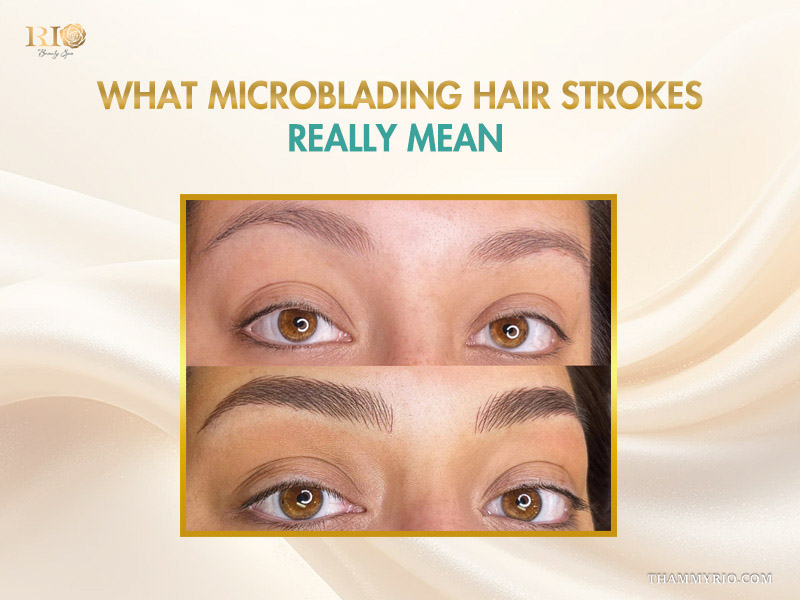
This technique relies on a handheld tool equipped with a micro-blade to deposit pigment into the upper dermal layer of the skin. The artist manually creates microblading hair strokes that mimic the length, curvature, and thickness of your natural brow hairs. Unlike traditional tattooing which fills the entire brow shape with a solid block of ink, this method utilizes negative space. The result is a fluffy, textured look that is often indistinguishable from real hair, making it a preferred natural eyebrow microblading option.
How microblading strokes differ from shading techniques
While shading creates a soft, makeup-like background, microblading strokes focus entirely on definition and structure. Shading techniques, such as powder brows vs microblading, deposit pixelated dots of pigment to create a gradient effect similar to brow powder. In contrast, the stroke method prioritizes crisp lines that simulate individual follicles. Many clients choose a combo brows approach, which integrates both methods to achieve density and hyper-realism simultaneously.
Comparing microblading hair strokes and machine hairstrokes
We must distinguish between manual microblading hair strokes and the increasingly popular machine-created versions to find your ideal match.
Precision and depth control in manual microblading strokes
Manual microblading strokes require the artist to exert physical pressure to penetrate the skin surface. A skilled technician feels the resistance of the skin (the “sweet spot”) to deposit pigment at the correct depth. This manual control allows for extremely fine, crisp lines, known as fine strokes microblading, which are often thinner than what a machine needle can produce. However, consistency depends heavily on the artist’s hand stability and experience.
Skin integrity and healing process for different stroke methods
The healing process varies significantly depending on how the microblading hair strokes were applied to the skin. Manual microblading involves slicing the skin, which can cause more trauma if not performed correctly, potentially leading to scabbing. Machine strokes, often referred to as nano brows, use a needle that moves up and down to inject pigment, generally causing less trauma and offering better retention for oily skin types. Understanding these differences is crucial for after microblading care.
How hair stroke microblading is performed step by step
Let us walk you through the meticulous process of creating microblading hair strokes to ensure you feel comfortable and informed.
Skin preparation and microblading hair strokes mapping strategy
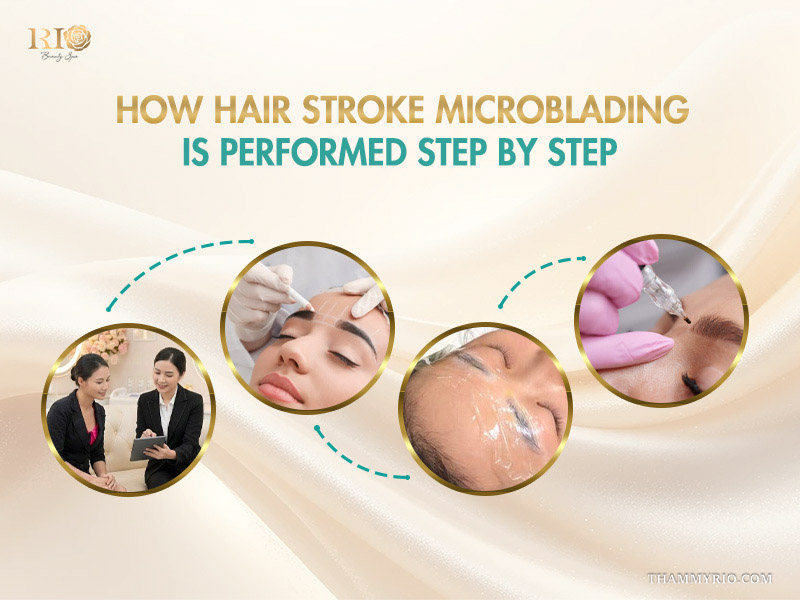
Before the blade touches the skin, the artist must prepare the canvas and design the architectural blueprint of the brow. The area is cleaned thoroughly, often involving a microblading facial approach to ensure a sterile environment. The artist then maps the brows using the Golden Ratio to find the optimal shape for your bone structure. This mapping phase is critical because microblading hair strokes must follow a specific pattern to look cohesive and symmetrical.
Blade control and pigment implantation depth
The execution phase involves dipping the blade into the pigment and making precise incisions along the mapped guidelines. The artist stretches the skin tightly to ensure the microblading strokes are clean and do not blur. Pigment is deposited into the stratum basale layer. If the cuts are too deep, the color may turn ashy; if too shallow, the fade microblading process happens too quickly. Proper depth ensures the microblading days of healing result in crisp, lasting lines.
What makes microblading strokes look natural or artificial
The difference between a fake look and realistic microblading hair strokes lies in the artistic details and technical application.
Stroke direction, spacing, and visual flow
Natural brow hairs do not grow in a single direction; they cross, curve, and flow together. High-quality microblading hair strokes must replicate this organic chaos. If the strokes are parallel like a picket fence, the result looks rigid and artificial. The artist must leave adequate spacing between each stroke. If the microblading strokes are placed too close together, the pigment can migrate during healing, resulting in a solid, blurred brow rather than distinct hairs.
Pigment selection to enhance the appearance of microblading hair strokes
Color theory is paramount when creating microblading hair strokes that harmonize with your complexion and hair color. The pigment must match the natural brow hair but also account for how the skin’s undertone will modify the color once healed. For example, brow color for blondes requires cooler, taupe tones to avoid turning orange, while eyebrows for redheads need warm, auburn adjustments. Using the wrong pigment can lead to bad ombre eyebrows or unnatural hues that require correction.
Who is an ideal candidate for microblading hair strokes
Not every skin type is suitable for microblading hair strokes, so evaluating your specific condition is essential for success.
Skin types that hold hair stroke microblading well
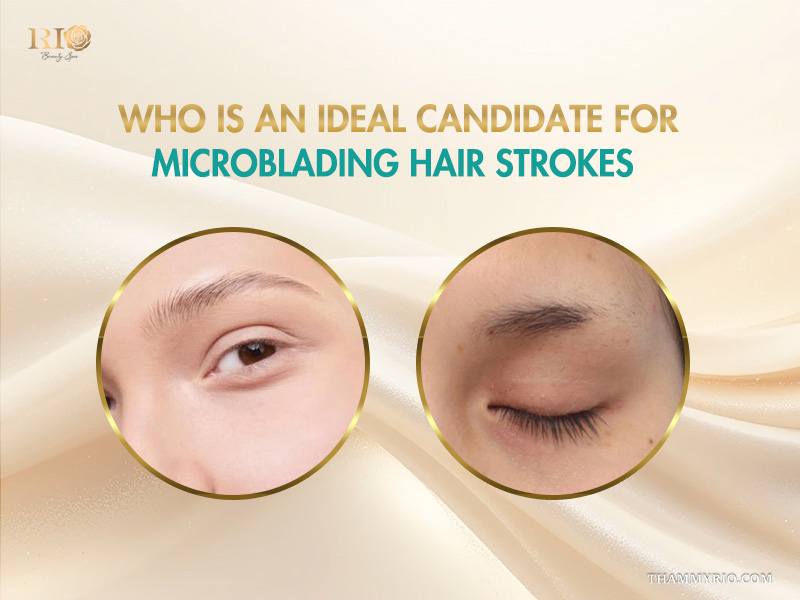
Normal to dry skin types typically retain microblading hair strokes with the highest degree of crispness. These skin types have smaller pores and produce less sebum, allowing the pigment to stay in the precise incision line. Conversely, oily skin with large pores can cause the strokes to expand and blur over time, making nano shading or powder techniques a better alternative. Clients with thin eye brows and dry skin often see the most dramatic, positive transformations.
Brow conditions that benefit from stroke-based design
Individuals suffering from alopecia, trichotillomania, or naturally sparse growth find immense value in microblading hair strokes. The technique rebuilds the brow architecture from scratch. It is also excellent for correcting asymmetry or filling in gaps from scars. Men also benefit greatly from this technique; microblading for men focuses on a wilder, less groomed stroke pattern to maintain a masculine and undetectable finish.
Longevity and fading behavior of hair stroke microblading
You should have realistic expectations regarding how long your microblading hair strokes will last and how they will change over time.
Expected retention timeline for microblading strokes
Generally, microblading hair strokes last between 12 to 18 months before requiring a color boost. Factors such as sun exposure, skincare routines (specifically the use of retinols and acids), and metabolism influence this timeline. Lighter colors used for microblading for blonds may fade faster than darker pigments. It is common to wonder about microblading after 5 years; without maintenance, the strokes will likely fade significantly or leave a faint residue that needs a microblading touch up.
How skin regeneration affects stroke clarity over time
As your skin naturally exfoliates and regenerates, layers of dead skin cells cover the pigment, making the microblading hair strokes appear softer and lighter. This is a normal part of the lip blush healing process and brow healing process. The crispness you see on day one will soften by about 30% once healed. Over years, if the strokes were implanted too deeply, they might blur; however, modern techniques aim for semi-permanence to allow for future adjustments.
How to choose the right microblading hair strokes for your face shape
Customization is key, as microblading hair strokes should enhance your unique facial features rather than following a generic stencil.
Customizing stroke patterns for individual brow growth
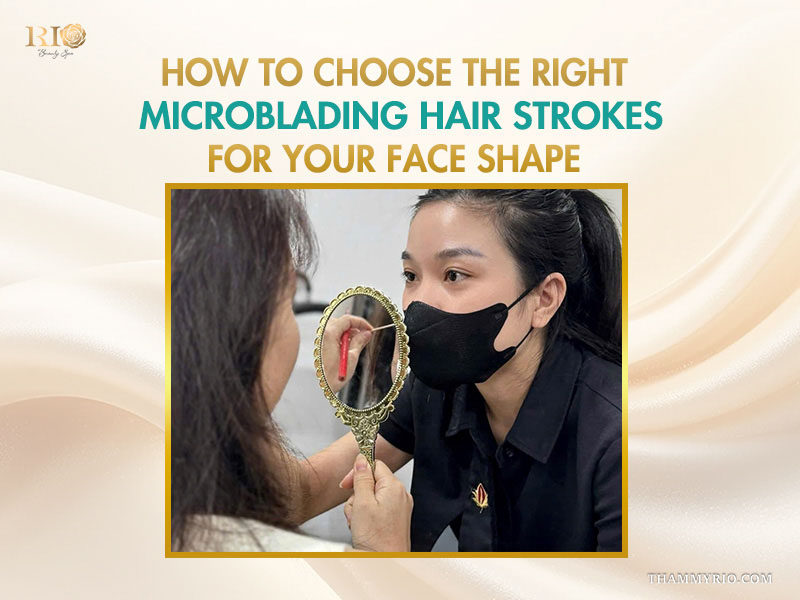
A skilled artist observes the direction of your natural hair growth—whether it grows upward, downward, or sideways—and mimics it. This integration ensures that the microblading hair strokes blend with any existing hair. For high arch eyebrows, the strokes are positioned to lift the eye, while flatter brows might require a pattern that adds a subtle arch without looking forced. This bespoke approach is distinct from the uniform look of eyebrow embroidery.
Tailoring microblading strokes for oily versus dry skin types
For clients with oilier skin who still desire the stroke look, the artist might space the microblading hair strokes farther apart. This anticipation of slight spreading ensures the healed result remains defined. In some cases, combining strokes with shading, known as hybrid brows, provides the longevity of powder with the natural look of strokes at the front. This adaptation is superior to forcing a technique that the skin cannot support.
Microblading hair strokes vs other eyebrow techniques
Comparing microblading hair strokes with other industry methods helps clarify which investment yields the best return for your beauty goals.
Hair stroke microblading vs powder and ombre brows
The primary difference lies in the finish: microblading hair strokes simulate hair, while powdered brows cost and techniques simulate makeup. Powder and ombre brows offer a soft, filled-in look that works well for all skin types, particularly oily ones. Ombre microshading starts light at the front and darkens towards the tail. If you prefer a “woke up with makeup” look, powder is preferable. If you want a “naked face but better” look, microblading is the superior choice.
Microblading strokes vs machine-created hair strokes
Machine-created hair strokes, often called nano brows, use a digital device to implant pigment. While microblading hair strokes are done with a manual blade, the machine method is less traumatic and works better for sensitive or mature skin. The nanoblading technique offers the visual appeal of microblading but with the longevity and skin integrity benefits of a machine application. This evolution is particularly relevant for those researching microblade vs ombre or nano options.
Risks and limitations of traditional microblading strokes
While popular, traditional microblading hair strokes carry specific risks that require professional execution to mitigate effectively.
Potential skin trauma and stroke blurring
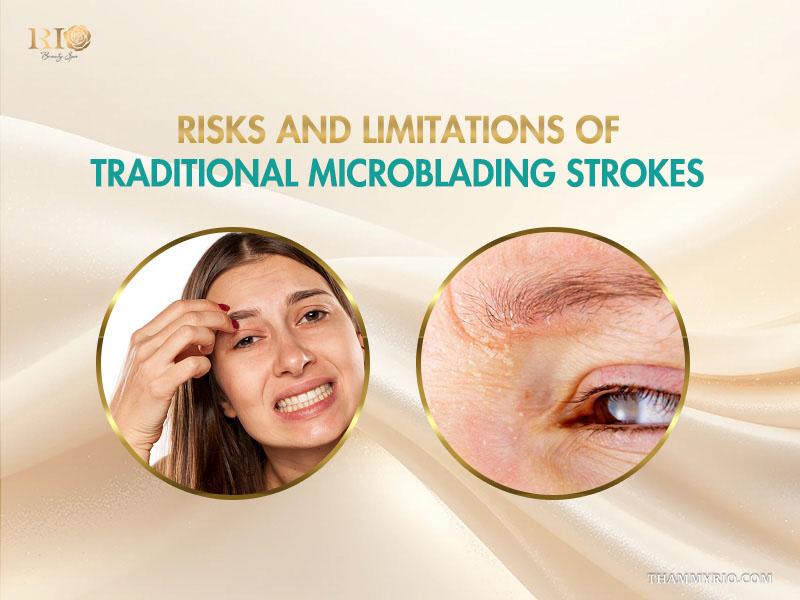
If an artist presses too hard, they can cut too deep, causing scarring and “blowouts” where the pigment migrates under the skin. This results in blurry, blue-grey microblading hair strokes that are difficult to fix without microblading removal. Repetitive microblading over many years can also build up scar tissue, making the skin tough and less receptive to pigment. This emphasizes the need for an artist who understands types of microblading and skin physiology.
When microblading hair strokes are not recommended
Certain conditions contraindicate this procedure. Individuals prone to keloid scarring, those on blood thinners, or people with uncontrolled diabetes should avoid microblading hair strokes. Additionally, those with previous, saturated permanent brow tattoos may not be candidates until the old color is lightened. In such cases, seeking a consultation for brow tattoo microblading correction is necessary before attempting new strokes.
Long term maintenance for your hair stroke microblading investment
Protecting the clarity and color of your microblading hair strokes requires dedication to specific aftercare protocols and lifestyle adjustments.
The first 7 microblading hair strokes days that determine stroke survival
The initial week is critical. You must keep the brows dry and clean, blotting away lymph fluid to prevent heavy scabbing. Scabs can pull the pigment out, ruining the microblading hair strokes. Avoiding sweat, steam, and makeup on the brow area is non-negotiable. This strict adherence ensures the healed powder brows or microbladed strokes retain their intended saturation and fine detail.
Long-term habits that protect hair stroke definition
Sun exposure is the enemy of microblading hair strokes. UV rays break down the pigment particles, causing them to fade or change color prematurely. Daily SPF application on the brows is essential. Furthermore, avoid applying anti-aging creams containing retinol or alpha hydroxy acids directly on the brow area, as these accelerate cell turnover and strip the color. This care extends to other permanent makeup like permanent eye liner or lip blushing.
Periodic touch ups to refresh microblading strokes and color
Semi-permanent makeup is a low-maintenance, not no-maintenance, solution. Annual eyebrows touch up sessions are required to keep the microblading hair strokes looking fresh. Without these appointments, the brows will fade to a warm or cool hue depending on the pigment base. These sessions allow the artist to add new strokes, adjust the shape if your face has changed, and restore the color density, much like a lip blush touch up.
Choosing the right clinic for hair stroke microblading
Selecting a reputable establishment ensures your microblading hair strokes are safe, symmetrical, and aesthetically pleasing.
Technician expertise and microblading hair strokes design philosophy
Look for artists who display healed results, not just fresh ones. Fresh microblading hair strokes always look crisp, but healed photos reveal the artist’s technical skill. At Rio Beauty Clinic, our masters understand that every face is unique. We do not use a “cookie-cutter” approach. We analyze your bone structure and flow to design a hair stroke eyebrows pattern that lifts and rejuvenates your specific visage.
Safety standards, pigments, and microblading strokes consultation quality
Hygiene should never be compromised. A top-tier clinic uses single-use, sterile blades and high-quality organic or inorganic pigments that do not shift to strange colors. During the consultation, ask about the benefit of microblading specific to your skin type. A professional will honestly tell you if you are better suited for nano shading or a different technique rather than just selling you a service.
Consultation and personalized microblading hair strokes solutions at Rio Beauty Clinic
At Rio Beauty Clinic, we elevate the standard concept of microblading hair strokes into an art form that honors your individuality.
We are proud to introduce the Hairstroke Glamor Brow, a superior technique exclusive to Rio. This method overcomes the limitations of traditional microblading by utilizing advanced digital precision to create strokes that are finer, less invasive, and more durable. It is the ultimate evolution of cosmetic eyebrows. Under the guidance of our elite experts, such as Grand Master Pham Thanh Tam and Master Thuy Tien, you are in the hands of Vietnam’s most celebrated artists.
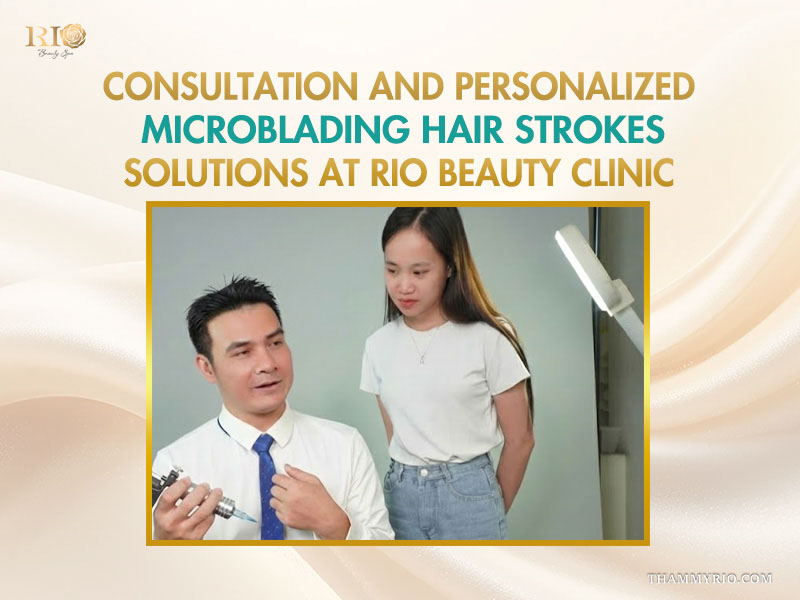
Furthermore, experts like Master Tran Manh Thang and Master Mely Thao ensure that every stroke is placed with surgical precision and artistic flair. Whether you are looking for eyebrows for men or a complete brow transformation, our team delivers results that withstand the test of time.
If you are ready to wake up every day with flawless brows, we invite you to take the next step.
Get the brows you have always dreamed of.
Contact Rio Beauty Clinic System today for a consultation and discover the perfect brow solution for your face.
Rio Beauty Clinic System, Vietnam (for treatments and services):
- Hotline – WhatsApp: +84 966 941 999 or +84 963 246 533
- Email for contact: Telesale.riostudio1@gmail.com
- Instagram: tham.my.rio.beauty.clinic
- Enjoy fanpage: Rio Beauty Clinic


Có thể bạn quan tâm:
Scalp micropigmentation for scars: a practical guide
Living with scars on your head can affect your self-confidence, especially
Expert scalp micropigmentation after hair transplant
A hair restoration procedure is a significant step toward regaining your
Scalp micropigmentation pricing: 2027 guide
Understanding scalp micropigmentation pricing is a vital step for anyone considering
Flawless stretch mark camouflage tattoo: Best technique
Are you tired of feeling self-conscious about visible lines on your
Beard micropigmentation: Fuller beard without surgery
A dense, well-defined beard has long been a symbol of masculinity
Top skin camouflage tattoo in Hanoi for clear skin
Living with scars, stretch marks, or uneven skin pigmentation can affect