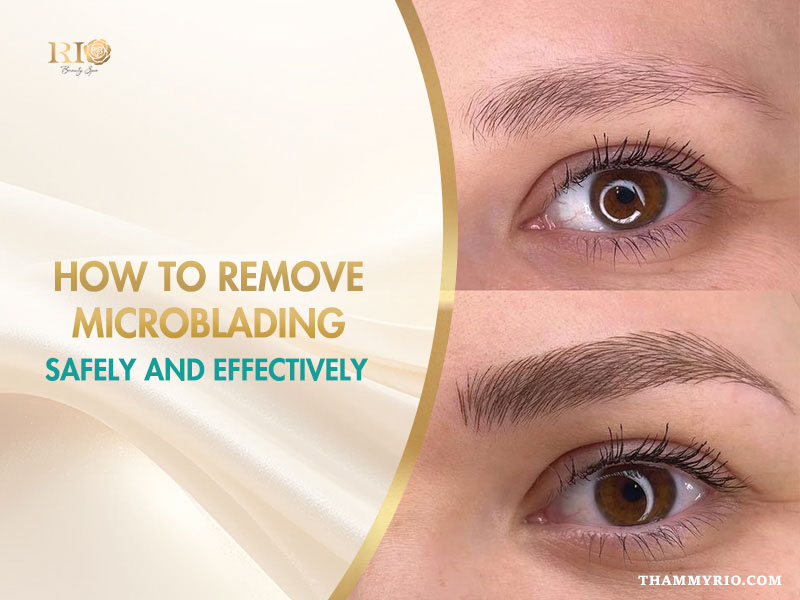
You might look in the mirror one day and realize that the permanent makeup you once loved no longer matches your current style or facial features. If you are feeling stuck with brows that are too dark, misshapen, or simply outdated, professional microblading removal offers a fresh start to reclaim your natural beauty. This advanced aesthetic solution allows you to safely correct past mistakes and prepares your skin for a new, more refined look without having to wait years for the pigment to fade naturally.
Why many people choose microblading removal today
As beauty trends evolve and facial structures change slightly over time, the demand for microblading removal has surged among individuals seeking to correct or update their appearance.
When microbladed eyebrows no longer suit your face
Faces change as we age, and a brow shape that looked fantastic five years ago might not complement your features today. Gravity can cause the skin to shift, making the original tattoo placement appear lower or asymmetrical. Many clients seeking permanent cosmetic eyebrows correction find that their old arches are now dragging down their eyes rather than lifting them. Choosing to undergo microblading removal allows you to erase these discrepancies. Once the old pigment is gone, you can consult with an expert to design a shape that aligns perfectly with your current bone structure and aesthetic preferences.

Common issues leading to removing microbladed eyebrows
There are numerous reasons why individuals start removing microbladed eyebrows, ranging from poor initial application to unexpected color shifts. Some people experience pigment migration, where the strokes blur together to create a blocky, unnatural look, or the ink oxidizes into unwanted shades of blue, gray, or red. Others may have trusted an inexperienced technician who created a shape that is too thick or uneven. In these cases, simply covering up the old work is often impossible. A strategic approach to microblading removal is the only viable path to clear the canvas before attempting any new microblading touch up or restoration.
How long does the removal of microblading typically take
Understanding the timeline for the removal of microblading is crucial for managing your expectations regarding the journey to clear skin. This process is rarely a one-time event and typically requires patience across several months. Most clients need multiple sessions spaced six to eight weeks apart to allow the skin to heal and the immune system to flush out the fragmented ink particles. While some lighter shading might fade significantly after two sessions, deep or saturated pigment often necessitates a longer commitment. Your specific timeline will depend on the ink depth, the age of the tattoo, and your body’s metabolic rate.
Most popular methods for microblading removal
Technological advancements in the beauty industry have introduced several highly effective techniques for microblading removal that prioritize skin safety and pigment elimination.
Laser treatment for removing microbladed eyebrows
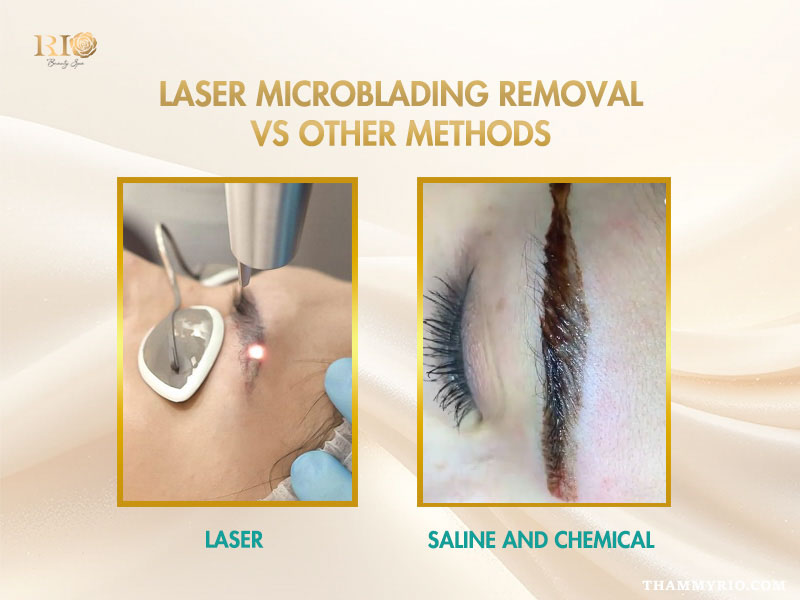
The gold standard for correcting permanent makeup is using advanced laser technology for removing microbladed eyebrows. This method uses concentrated beams of light to penetrate the skin and target the ink particles without damaging the surrounding tissue. High-end systems, such as those found at Rio Beauty Clinic, can target a wide spectrum of pigment colors. The energy from the laser shatters the ink into microscopic fragments, which are then naturally eliminated by the body’s lymphatic system. This approach is widely favored because it is precise, effective for deep pigment, and minimizes the risk of scarring when performed by a skilled specialist.
Saline-based techniques for removal of microblading
Another common option for the removal of microblading is the saline method, which serves as a non-laser alternative for lifting pigment out of the skin. This technique involves tattooing a sterile saltwater solution into the old ink, relying on the process of osmosis to draw the pigment to the skin’s surface. As the area heals, a scab forms, and when it falls off, it takes some of the pigment with it. While this method can be effective for lifting surface-level ink or correcting small errors immediately after a procedure, it is generally slower than laser treatments and may require more sessions to achieve total clearance.

Why acid or remove microbladed eyebrows remedies at home are not recommended
You might see internet tutorials suggesting you can remove microbladed eyebrows using glycolic acid, lemon juice, or abrasive scrubs, but these DIY methods are incredibly dangerous. Uncontrolled application of acids or harsh exfoliation can cause severe chemical burns, permanent textural damage, and hyperpigmentation. Unlike professional treatments that target the pigment specifically, at-home remedies attack the skin surface indiscriminately. Trying to save money with these unsafe tactics often leads to expensive corrective treatments later to fix the resulting scars. It is vital to trust a professional for microblading removal to protect your skin’s integrity.
Potential risks when you remove microbladed eyebrows at home
Attempting to remove microbladed eyebrows without professional supervision exposes you to serious health hazards that can leave lasting damage on your face.
Danger of scarring and removal of microblading skin damage
One of the most significant risks associated with amateur removal of microblading is the high probability of developing keloids or hypertrophic scars. When you aggressively scrub or apply unverified chemicals to the delicate skin of the brow area, you disrupt the dermis layer. If the skin cannot heal properly, it builds thick, fibrous scar tissue. Once scarring occurs, it becomes extremely difficult to perform any future cosmetic eyebrows procedures, such as nano brows or shading, because the skin texture is no longer smooth enough to hold pigment evenly.

Risk of remove microbladed eyebrows infection and allergic reactions to chemicals
When you try to remove microbladed eyebrows in an unsterile environment, you drastically increase the chance of bacterial infection. Open wounds caused by aggressive DIY removal techniques can become breeding grounds for pathogens, leading to redness, swelling, pus, and even systemic health issues. Furthermore, applying unknown creams or bleaching agents can trigger severe allergic contact dermatitis. The eyes are sensitive organs, and using harsh chemicals near them poses a threat to your vision. Professional clinics utilize sterile equipment and medical-grade protocols to eliminate these risks during microblading removal.
How laser microblading removal works step by step
To fully understand the efficacy of this procedure, it is helpful to look at the science behind how microblading removal functions at a cellular level.
How remove microbladed eyebrows laser breaks down pigment under the skin
The technology designed to remove microbladed eyebrows operates on the principle of selective photothermolysis. The laser device emits extremely short pulses of light energy that are absorbed specifically by the pigment colors in your skin. When the ink particles absorb this energy, they heat up instantly and shatter into tiny dust-like particles. Because the laser pulse is so fast, it destroys the pigment before the heat can spread to the surrounding skin cells. This precision is why laser microblading removal is considered the safest method for preserving the natural brow hair and skin texture while effectively erasing the tattoo.

Number of sessions needed to remove microbladed eyebrows
Determining the exact number of sessions required to remove microbladed eyebrows depends on the density of the ink and the layering of previous tattoos. A standard case might require anywhere from three to six sessions. However, if you have had multiple cover-ups or if the original artist used synthetic ink with heavy metals, the process might take longer. During your consultation, experts will analyze the saturation to provide a realistic schedule. Patience is key in microblading removal, as rushing the sessions can compromise skin healing. The goal is to clear the canvas safely so you can eventually enjoy new eye brow shaping or 3d microblading.
Clinical procedure for removing microbladed eyebrows safely
A standardized and medically sound workflow is essential for ensuring that microblading removal yields the best aesthetic outcome with minimal downtime.
Skin assessment before starting microblading removal
Every successful journey begins with a thorough examination of the skin condition before commencing microblading removal. Specialists will evaluate your skin type (Fitzpatrick scale), the presence of any existing scar tissue, and the specific colors of the pigment. This step allows the technician to calibrate the laser settings precisely for your unique needs. For example, removing red or warm-toned pigment requires a different wavelength than removing black or blue ink. A proper assessment ensures that the removal of microblading is customized to maximize fading while protecting your natural skin tone.

Step by step guide to the professional removal process
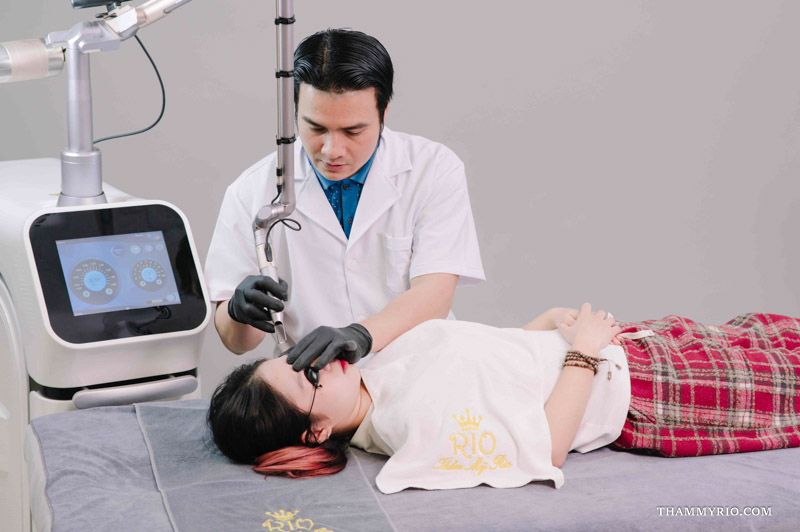
The professional microblading removal session begins with cleansing the area and applying a topical numbing cream to ensure your comfort. Once the skin is prepped, the specialist and the client both wear protective eyewear. The technician then guides the laser handpiece over the brow area, delivering pulses of light. You might feel a snapping sensation similar to a rubber band against the skin. After the pass is complete, a cooling gel or cold compress is applied to soothe the area. The entire procedure is relatively quick, often taking less than twenty minutes. Following this protocol ensures that removing microbladed eyebrows remains a controlled and tolerable experience.
Safety considerations when removing microbladed eyebrows
While the technology is advanced, being aware of how your body might respond to microblading removal is part of being an informed client.
Possible remove microbladed eyebrows skin reactions and pigment changes
It is normal to experience some temporary side effects when you remove microbladed eyebrows, such as redness, mild swelling, or pinpoint bleeding immediately after treatment. Another phenomenon to be aware of is color shifting; as the laser hits certain pigments, they may oxidize and temporarily turn red or orange before fading. This is a common part of the chemical breakdown process. Experienced technicians know how to manage these shifts in subsequent sessions. Understanding these transient reactions helps you stay calm and confident throughout your microblading removal journey.

Factors that affect microblading removal results
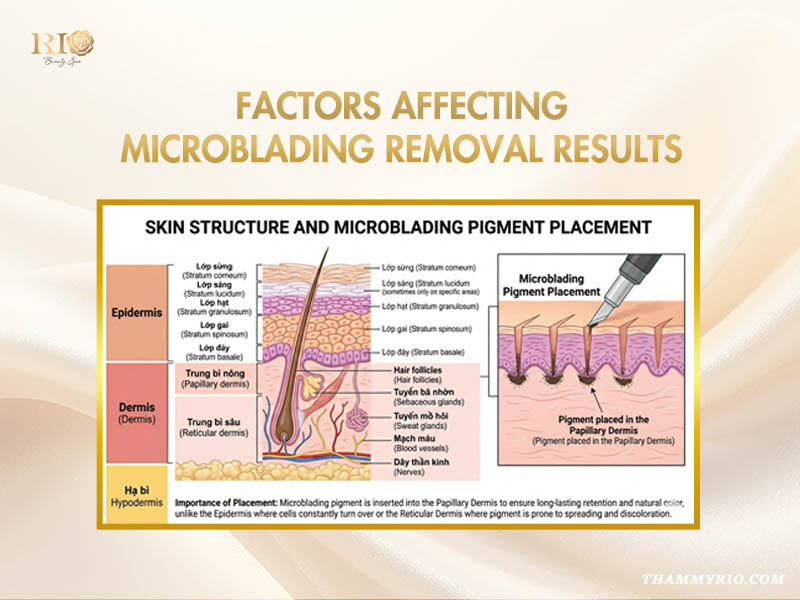
Several biological and external variables influence the speed and success of microblading removal. Your immune system plays a massive role because it is responsible for carrying away the shattered ink particles. Individuals who stay hydrated, do not smoke, and have a healthy metabolism often see faster fading. Additionally, the type of ink used matters; organic pigments might respond differently than inorganic iron oxides. The depth at which the ink was implanted also dictates how much energy is needed. Recognizing these factors helps explain why removal of microblading is a highly individualized process.
Aftercare tips for faster removal of microblading healing and better results
Proper post-procedure care is responsible for a significant portion of the success in microblading removal and ensures your skin remains healthy.
Post-treatment skin care essentials
Treating your skin with gentle care is paramount immediately following a removal of microblading session. You should keep the area clean and dry for the first few days, avoiding hot water, saunas, and heavy sweating. Applying a prescribed healing ointment or a simple vitamin E cream can aid recovery. It is crucial to avoid applying makeup or brow color for blondes tints to the area until it has fully healed. Sun protection is also non-negotiable; exposing the treated area to UV rays can cause hyperpigmentation. Following these after microblading care guidelines will speed up the fading process.

How to prevent scarring after microblading removal
The most critical rule to prevent scarring during microblading removal is to never pick, scratch, or peel any scabs that form. Removing a scab prematurely can pull out new tissue and result in a permanent indentation or mark. You must let the skin exfoliate naturally. Additionally, keeping the body hydrated aids in tissue regeneration. If you feel itching, it is a sign of healing, but you should tap the area lightly rather than scratch. By adhering to these strict protocols, you ensure the skin remains a smooth canvas for future treatments like nanoblading or microshading.
Choosing a trusted clinic for microblading removal
Selecting the right facility is the single most important decision you will make when considering microblading removal.
Why expertise and technology matter in removal of microblading
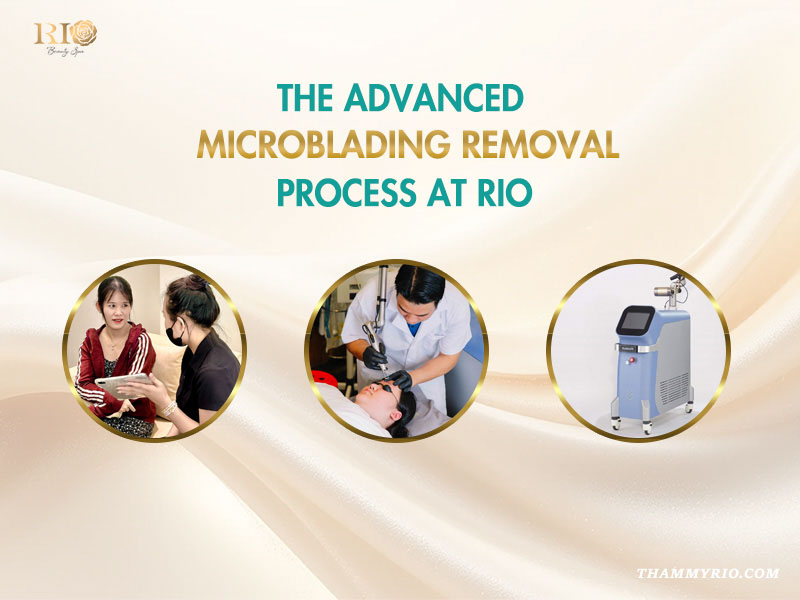
The difference between a botched job and a flawless result in the removal of microblading often lies in the combination of operator skill and machine quality. At Rio Beauty Clinic, we utilize the cutting-edge Fotona 5D and Ruby Laser Alpha 6 technologies. These FDA, CE, and ISO 13485 certified systems are capable of shattering stubborn pigment without harming the skin.
However, technology is only as good as the hands that wield it. Our procedures are overseen by renowned experts like Expert Tran Manh Thang and Artist Grand Master Pham Thanh Tam, who possess deep knowledge of skin structure. Additionally, Expert Artist Master Mely Thao and Artist Master Thuy Tien bring years of award-winning experience to ensure every client receives a customized and safe treatment plan.

What makes a professional microblading removal service different
A professional service for microblading removal goes beyond just laser zapping; it offers a comprehensive aesthetic solution. Top-tier clinics like Rio Beauty Clinic provide a sterile medical environment, detailed consultations, and a commitment to long-term results. We understand that you may want to transition to ombre brows or powder brows vs microblading styles after the removal is complete. Therefore, our experts plan the removal process with your future look in mind. This holistic approach, combined with a “Customer Centric” philosophy, distinguishes a premium clinic from a standard laser center.
Rio Beauty Clinic (for treatments and services):
- Hotline and WhatsApp: +84 966 941 999/ +84 963 246 533
- Our email: Telesale.riostudio1@gmail.com
- Instagram: https://www.instagram.com/tham.my.rio.beauty.clinic
- Fanpage: Rio Beauty Clinic
Frequently asked questions about removal of microblading
Here are answers to the most common inquiries to help you feel more confident about starting your microblading removal journey.
Does microblading removal completely erase old pigment or only fade it significantly?
In most cases, microblading removal can completely erase old pigment, restoring the skin to its original state. However, the outcome depends on the ink type and depth. While some stubborn colors may leave a faint shadow, advanced lasers like the Ruby Laser Alpha 6 are designed to achieve near-total clearance.
Is microblading removal more difficult on darker or older pigments?
Ironically, darker pigments often respond better to laser removal of microblading because they absorb the laser energy more efficiently. Older pigments can also be easier to break down as the body has already started the fading process. However, the chemical composition of the ink is the biggest variable.
Can microblading removal affect future eyebrow tattoo or reshaping plans?
Safe microblading removal does not hinder future tattooing; in fact, it improves it. By clearing the old, saturated ink, you provide a fresh base for a new artist to create delicate strokes or a soft lip blushing effect without fighting against old shapes.
How painful is removal of microblading compared to the original microblading procedure?
Most clients report that microblading removal feels similar to the discomfort of the original tattooing, often described as a rubber band snap. However, because the laser pulses are incredibly fast, the discomfort is fleeting. Numbing creams are always used to minimize any sensation.
How long should you wait after microblading removal before redoing your brows?
You should wait at least six to eight weeks after your final microblading removal session before getting new permanent makeup. This ensures the skin is fully healed and the immune system has finished flushing out the old ink, guaranteeing the best retention for your new cost microblading investment.


Có thể bạn quan tâm:
Permanent eyeliner shapes and how to choose the right one
Choosing the wrong eyeliner shape can make your eyes look smaller,
Microblading removal: Safe ways to remove old brows
You might look in the mirror one day and realize that
Lip neutralization cost: full price guide and factors
Waking up with perfectly even-toned lips sounds like magic, but the
Permanent cosmetic eyebrows: natural shape that lasts
Tired of struggling with eyebrow pencils every morning just to end
How to find ideal brow color for blondes for a natural look
Achieving the perfect brow color for blondes requires more than just
Cosmetic eyebrows: what to know before choosing
Cosmetic eyebrows offer you that liberating convenience and sophisticated look, transforming