


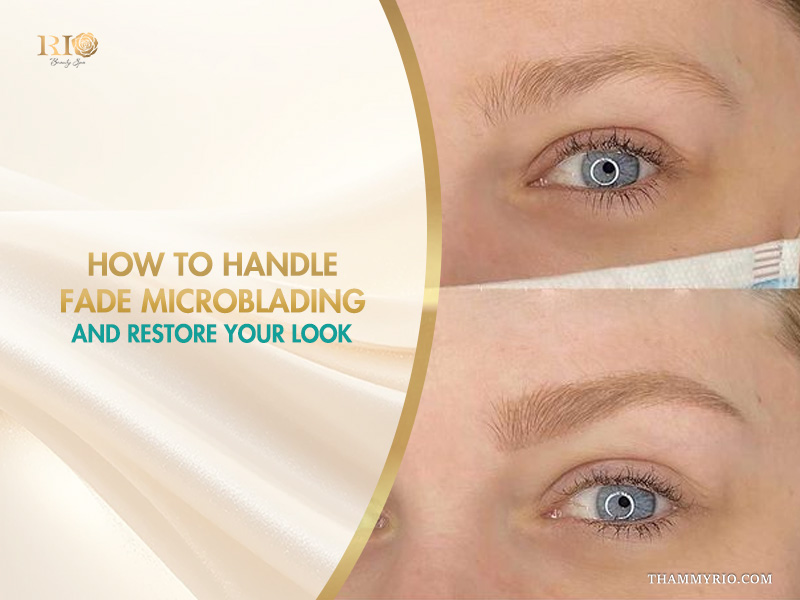
Noticing your once-perfect brows losing their vibrancy can be disheartening, but understanding how to handle fade microblading is the first step toward reclaiming your confidence. You might see the crisp hair strokes blurring into a soft shadow or the color shifting to an unwanted hue, which is a natural part of the semi-permanent makeup lifecycle. This comprehensive guide will walk you through why this happens, how to manage the transition, and the advanced professional solutions available to refresh your look effectively.
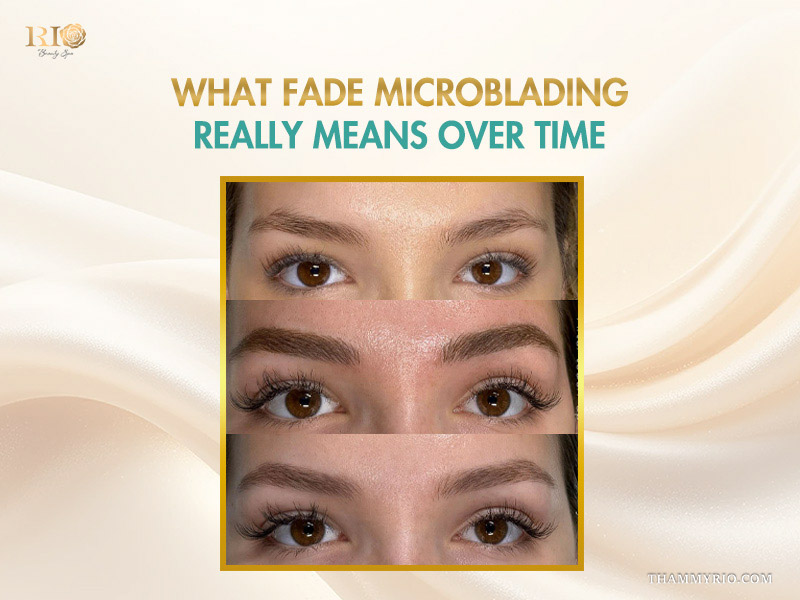
What fade microblading really means over time
Fade microblading describes the gradual lightening of pigment within the skin as your body naturally breaks down the color particles. This process is not necessarily a sign of a botched procedure but rather evidence of your immune system working as it should to metabolize foreign substances over time.
How fading microblading differs from poor pigment retention
Understanding the distinction between natural fading microblading and poor retention is crucial for determining your next steps. Poor retention usually happens within the first few weeks of the initial appointment where the skin rejects the pigment immediately during the healing phase, often due to improper aftercare or technical application. In contrast, fading is a long-term, gradual reduction in color saturation that happens months or years after the brows have fully healed and settled.
Why microblading faded does not always mean a failed procedure
Seeing your microblading faded significantly after a year or two often indicates that the artist used the correct depth and organic pigments meant to leave the body safely. Permanent makeup is designed to be semi-permanent, allowing you to adjust the shape and color as your face changes with age and trends evolve. If the pigment never faded, you would be left with a permanent tattoo that could turn blue or green and sag as your skin loses elasticity, making the fading process a beneficial feature of modern PMU.
Why fade microblading is faster than many people expect
The rate at which you experience fade microblading depends heavily on how your unique biology interacts with the environment and the pigment. Many clients are surprised when their brows lighten within the first twelve months, but this speed is often dictated by internal cellular turnover.
Skin regeneration and its impact on faded microbladed eyebrows
Rapid cellular turnover is the primary biological reason for faded microbladed eyebrows appearing sooner than anticipated. Your skin naturally sheds dead cells and generates new ones, pushing the pigment closer to the surface where it eventually exfoliates away. Individuals with a faster metabolism or younger skin tend to experience this cycle more quickly, requiring more frequent maintenance to keep the brow strokes looking crisp and defined.
Technique depth and pigment placement mistakes
If the artist deposits the ink too superficially in the epidermis, the fade microblading process will occur rapidly because the pigment is shed along with the outer skin layers. Conversely, if the strokes are placed too deep, the color may turn cool and blur, but when placed correctly at the dermal-epidermal junction, the fading should be gradual and consistent. Finding an expert who understands this precise “sweet spot” is essential for longevity.
Biological and lifestyle factors affecting pigment retention
External elements play a massive role in how fast you notice fading microblading results in your daily life. Frequent exposure to the sun without protection degrades the pigment molecules, while active skincare ingredients like retinol and acids accelerate cell turnover. Additionally, those with oily skin types often find their strokes blur and fade faster due to excess sebum production pushing the pigment out.
The natural cycle of faded microbladed eyebrows in the skin
Every client will eventually have faded microbladed eyebrows because the pigment is not designed to stay in the skin forever like traditional body tattoo ink. The body identifies the iron oxides or organic pigments as foreign elements and macrophages slowly engulf and remove tiny particles through the lymphatic system. This natural cycle ensures that you are not stuck with a brow shape that might not suit you ten years from now.
Faded microblading after 2 years: realistic outcomes explained
Assessing faded microblading after 2 years gives you the most accurate baseline for deciding whether to touch up, cover, or remove the old work. At this stage, most of the original crispness is gone, and you are left with a residual shadow that serves as a guide for future enhancements.
Color shifting versus complete fading over long periods
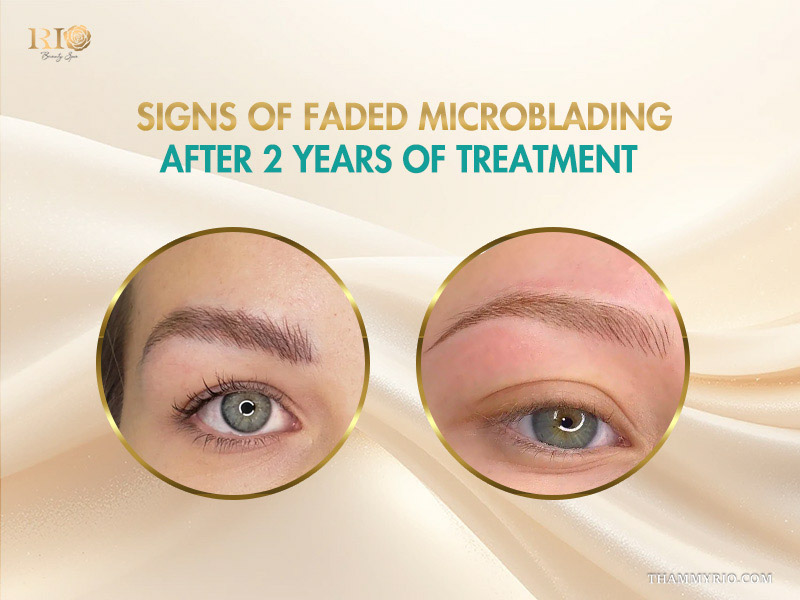
You may notice that fade microblading does not simply mean the color disappears; it often shifts to warmer or cooler tones. As the brown pigment breaks down, its component colors—usually black, red, and yellow—fade at different rates. If the black fades first, you might be left with reddish or orange brows, whereas if the red fades, the brows may appear ashy or gray, requiring color correction rather than just a simple top-up.
Why some fading microblading softly while others fade patchy
Uniformity in fading microblading is the hallmark of a skilled artist and high-quality pigment usage. Patchy fading often occurs when the pigment was applied at inconsistent depths, causing some areas to retain color while others disappear completely. We often see this in clients who have attempted to microblading touch up their brows with inexperienced technicians who lack precision control.
Common signs your fade microblading unevenly
Identifying when fade microblading is occurring unevenly allows you to seek professional correction before the asymmetry becomes visually distracting. You might notice the tails of your eyebrows disappearing faster than the thicker front sections, or gaps appearing in the middle of the arch.
Visible changes in color and stroke definition
The first indicator of faded microblading after 2 years is the loss of the individual hair stroke appearance, leaving behind a powder-like residue. The crisp lines that once mimicked natural hair blur together, and the color saturation drops significantly, often requiring you to use brow pencil or powder to restore definition.
Why fading microblading is a necessary part of the process
Accepting that fading microblading is necessary allows for the layering of new, fresh pigment without over-saturating the skin. If the skin is too full of old, dense pigment, it cannot accept new strokes, leading to a blocky and unnatural appearance. The fading period creates the canvas needed for a skilled artist to refresh the design and maintain a natural look.
Asymmetry caused by inconsistent fading patterns
Sometimes fade microblading happens faster on one side of the face due to sleeping habits or sun exposure while driving. If you sleep on your right side, the friction against the pillow can cause that eyebrow to fade more quickly than the left, resulting in visible asymmetry that needs to be balanced during your next session.
What to do when microblading faded but removal is not ideal
When you have microblading faded brows that are too light to stand alone but not dark enough to require laser removal, you are in the perfect position for a modification. This “in-between” stage is common and offers a variety of non-invasive pathways to restore beauty without the harshness of removal.
Strategic brow redesign instead of aggressive correction
Addressing fade microblading can be as simple as adjusting the shape to lift and open the eyes using the remaining pigment as a subtle base. Expert artists can redefine the borders and slightly alter the arch to suit your current facial structure, turning the faded shadow into a soft, underlying shading effect.
When layering new techniques over fading microblading works best
Layering is highly effective when fading microblading has lost about 50% to 60% of its original saturation. This allows us to switch from microblading to a nano combo brows technique, which uses a machine to create longer-lasting shading and strokes that blend seamlessly with the old, lighter pigment.
Advanced solutions for faded microbladed eyebrows
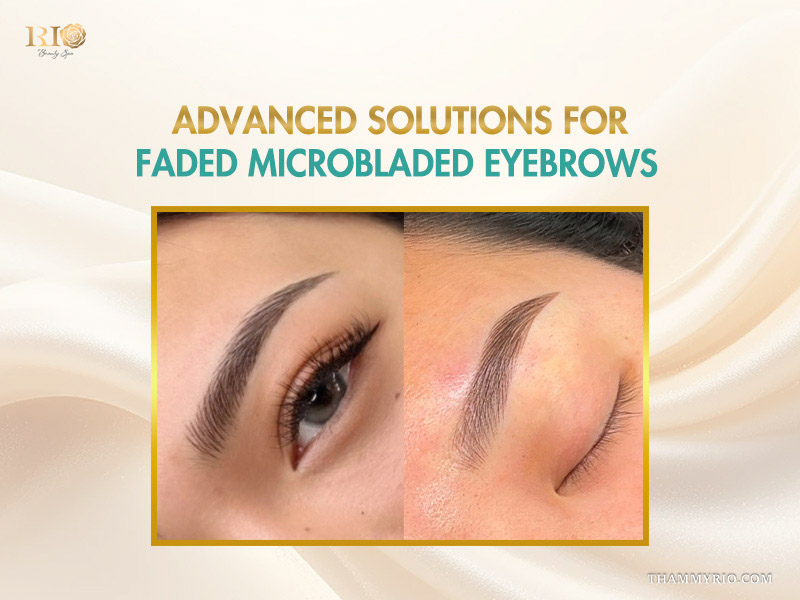
Modern PMU technology offers sophisticated ways to cover faded microbladed eyebrows that go beyond simple re-stroking. Techniques have evolved to accommodate skin that has already been worked on, ensuring that the integrity of the skin is preserved while maximizing aesthetic appeal.
Nano brows as a refinement option for fade microblading
Many clients find that fade microblading is best covered with nano brows, a technique that uses a digital machine and a single needle. This method is gentler on the skin than the manual blade used in microblading and is excellent for covering old pigment because the ultra-fine needle can deposit color with extreme precision, creating crisp hairstrokes even over scar tissue or faded ink.
Powder and hybrid approaches for long-term color balance
If the faded microbladed eyebrows have blurred significantly, converting to powder brows vs microblading or a hybrid style is often the superior choice. Powder brows create a soft, pixelated makeup look that covers discoloration effectively, providing a more uniform density that camouflages the underlying faded pigment better than hair strokes alone.
Professional techniques to fix microblading faded issues
Correcting microblading faded to an odd color requires a deep understanding of color theory and neutralization. You cannot simply put brown over orange or gray; you must first neutralize the unwanted undertone to ensure the new target color heals true and natural.
Using color correction to neutralize unwanted undertones
When fade microblading turns orange or red, we use an olive or green-based modifier to neutralize the warmth before applying the target brown shade. Conversely, if the brows have faded to a cool gray or blue, a warm orange modifier is used to bring warmth back to the skin, restoring a natural brown tone suitable for your complexion.
Transitioning from old strokes to modern powder brows
The transition from distinct strokes to microshading is a popular solution for fading microblading because it offers better longevity and coverage. This technique mimics the look of filled-in brows and is particularly beneficial for clients with oily skin who struggle with stroke retention, offering a polished finish that hides the old, faded lines.
Effective ways to accelerate the fading of botched brows
Sometimes you may want to speed up fade microblading if the shape is incorrect or the color is too dark. While time is the best healer, there are safe professional interventions that can help expedite the process without damaging the skin texture.
Safe exfoliation methods for fading microblading at home
Encouraging fading microblading at home should be done cautiously using gentle chemical exfoliants like glycolic or lactic acid pads. These products increase cell turnover, helping to lift the pigment from the upper layers of the epidermis faster, but they must be used consistently and carefully to avoid irritation.
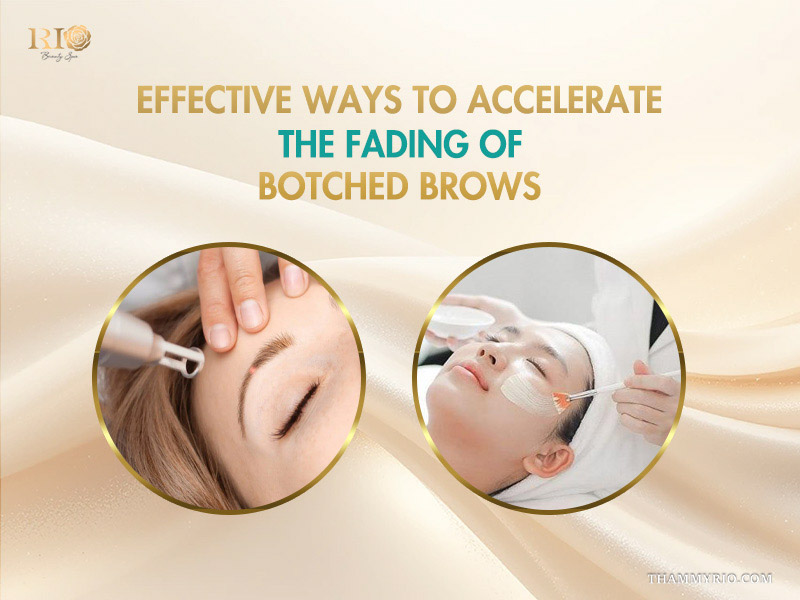
Advanced laser technology for complete fade microblading pigment removal
For stubborn microblading faded pigment that refuses to budge, advanced technologies like microblading removal using lasers are the gold standard. At Rio Beauty Clinic, we utilize technologies similar to the Fotona 5D or Ruby Laser Alpha 6, which can shatter pigment particles without causing scarring, allowing for a clean canvas for future artwork.
How professionals evaluate fading microblading correctly
A true expert evaluates fading microblading by looking at the skin’s integrity, the remaining color saturation, and the undertone visibility. This assessment determines whether the skin can handle another pass of microblading or if a different technique is required to achieve the best result.
Microblading faded condition analysis before any corrective procedure
Analyzing the microblading faded condition involves checking for scar tissue and determining how much pigment is stuck in the dermis. If the skin is oversaturated, adding more pigment will only result in a dull, solid look; in such cases, we might recommend a few removal sessions or a period of rest before attempting any cover-up.
Choosing pigments that age better on previously treated skin
To preventing rapid fade microblading in the future, we select high-quality pigments that are stable and pre-modified. We often choose inorganic or hybrid pigments for cover-ups as they tend to be more opaque and have better staying power on skin that has already undergone cosmetic tattooing procedures.
Preventing future fade microblading after correction
Once you have fixed your fade microblading, maintaining the fresh look requires dedication to protecting your investment. Simple lifestyle adjustments can extend the life of your brows significantly, keeping the color rich and the shape defined for longer periods.
Long-term aftercare habits that slow down fading microblading
Slowing down fading microblading starts with daily sun protection applied directly to the eyebrow area. UV rays are the number one enemy of cosmetic tattoos; wearing hats and using SPF 50 specifically on your brows prevents the color from breaking down and shifting prematurely.
Faded microbladed eyebrows touch-up timing strategies for stable brow color
Managing faded microbladed eyebrows is about timing your touch-ups correctly—usually every 12 to 18 months. Over-servicing the skin by touching up too frequently can lead to pigment buildup and skin trauma, so it is vital to wait until the brows have faded sufficiently before adding more color.
Is fading microblading a problem or a natural transition?
Viewing fade microblading as a natural transition rather than a problem changes how you approach your beauty routine. It is a sign that your skin is healthy and functioning correctly, giving you the freedom to adapt your style over the years.
Understanding fading as part of a planned brow evolution
We encourage clients to see fading microblading as an opportunity to refine their look as they mature. The high arch you loved in your 20s might not suit your face in your 30s, and the fading process allows your artist to make necessary adjustments to lift and rejuvenate your features.
When microblading faded becomes an opportunity for better brow results
A microblading faded brow is the perfect foundation for trying newer, softer techniques like hybrid brows. It allows you to move away from the “tattooed” look toward something more airy and dimensional, leveraging the latest advancements in the PMU industry.
Choosing the right clinic to fix fade microblading safely
Entrusting your fade microblading correction to the right hands is critical to avoiding further damage. You need a clinic that prioritizes skin health and uses top-tier equipment to ensure safety and aesthetic excellence.
Why fading microblading experience matters more than trend-driven techniques
Correcting fading microblading is far more complex than creating fresh brows on virgin skin, requiring the expertise of seasoned professionals. At Rio Beauty Clinic, with over 20 years of experience since 2003, our team is led by Master Artists like Tran Manh Thang and Grand Master Pham Thanh Tam. They possess the deep technical knowledge required to manipulate color and shape on previously treated skin, ensuring results that trendy, inexperienced artists simply cannot match. We adhere to strict ISO 13485 medical standards, ensuring that every correction is safe and effective.

What to ask before correcting faded microbladed eyebrows
Before booking a session to fix faded microbladed eyebrows, ask the artist to see healed results of their cover-up work, not just fresh photos. You should also inquire about the pigments they use and their strategy for color neutralization to ensure they have a solid plan for your specific needs.
Don’t let faded brows define your look any longer. If you are ready to revitalize your appearance with the help of true industry masters, we are here to help you achieve the perfect brow transformation.
Rio Beauty Clinic System (for treatments and services):
- Hotline and WhatsApp: +84 966 941 999/ +84 963 246 533
- Email: Telesale.riostudio1@gmail.com
- Offical Instagram: https://www.instagram.com/tham.my.rio.beauty.clinic
- Fanpage: Rio Beauty Clinic
FAQs – fade microblading
Understanding the concerns many people have about faded microblading, below are answers to some frequently asked questions about this issue.
How long does it take for microblading to fade completely?
Typically, fading microblading can take anywhere from one to three years to fade significantly, though some pigment may remain in the skin indefinitely without laser removal.
Can I get nano brows over faded microblading?
Yes, nano brows are an excellent option for covering microblading faded areas as they are less traumatic to the skin and offer precise coverage.
Is it normal for microblading to fade after 2 weeks?
Some lightening during the healing process is normal, often referred to as the “ghosting phase,” where the skin grows over the pigment before the color re-emerges.



Có thể bạn quan tâm:
How many laser hair removal sessions you really need
Tired of constant shaving and waxing routines taking up your valuable
Laser hair removal pregnancy: Is it truly safe?
Pregnancy brings a wave of remarkable transformations, both internally and externally.
Laser hair removal on a tattoo: Safety guide
Many individuals seeking smooth skin often wonder if they can safely
Stunning laser hair removal armpits before and after results
Many clients feel anxious about the procedure or doubt its effectiveness
Laser hair removal and ingrown hairs explained clearly
Dealing with painful, inflamed bumps on your skin can be deeply
Brazilian laser hair removal how many sessions do you need?
When planning to achieve smooth, carefree skin in your intimate zones,