


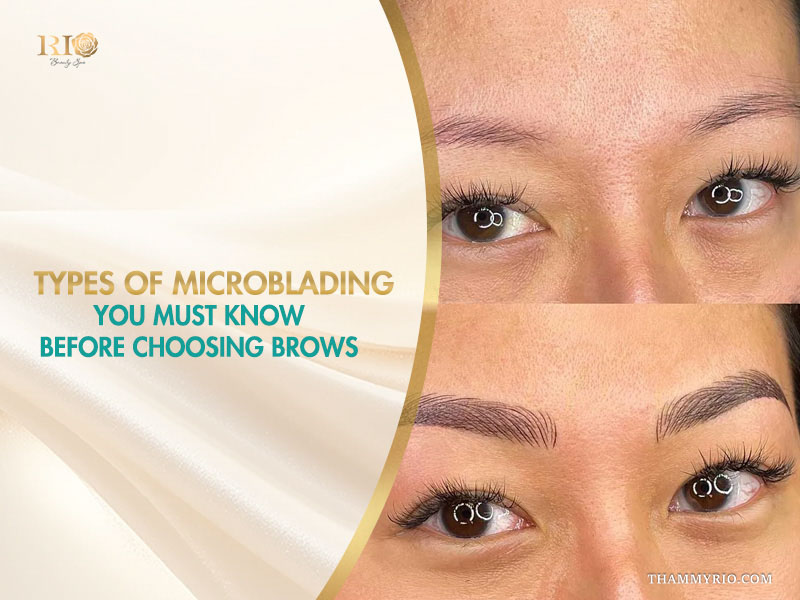
Achieving a flawless, defined look requires more than just a passing interest in beauty trends; it demands a deep understanding of the permanent makeup landscape. Navigating the various types of microblading available today is the first crucial step toward enhancing your natural features without compromising skin health. With over two decades of experience since 2003, Rio Beauty Clinic understands that selecting the right technique is pivotal for satisfaction and safety.
Why understanding different types of microblading matters before treatment
Grasping the distinction between techniques prevents regret and ensures your investment yields the sophisticated look you deserve. The following insights detail why knowledge of types of microblading is essential for a successful cosmetic outcome.
Different brow goals require different microblading techniques
Every individual possesses a unique facial architecture that demands a customized approach rather than a one-size-fits-all solution. Some clients desire the hyper-realistic look of hair stroke eyebrows, while others prefer the soft density found in shading methods. Selecting the appropriate method ensures that the final result harmonizes with your bone structure and personal style.
Choosing the wrong types of microblading can affect long-term results
An incorrect choice in technique can lead to pigment migration, unnatural fading, or even scarring on sensitive skin types. For instance, applying a manual blade to oily skin often results in blurred lines rather than crisp strokes. Therefore, understanding the types of microblading helps you avoid procedures that your skin might reject over time.
Traditional hair stroke as the foundation of eyebrow design
This classic manual method remains a cornerstone in the industry for creating simulated hair patterns. The following sections explore how this specific category among the types of microblading functions to enhance your look.
How hair stroke brows create a natural finish
The artist uses a specialized hand tool to deposit pigment into the upper, superficial layers of the skin in fine lines that mimic natural hair growth. This meticulous process allows for the correction of thin eye brows by filling in gaps with strokes that flow in the same direction as your existing hair. Consequently, the result is an undetectable enhancement that looks organic rather than applied.
Identifying the ideal candidates for classic hair stroke methods
This technique typically yields the best results on clients with normal to dry skin types who possess small pores. Individuals with significant natural hair who merely want to perfect their shape often find this to be the most suitable among the types of microblading. Conversely, those with extremely oily or sensitive skin might need to consider alternative options for better pigment retention.
Assessing the longevity and healing process of manual strokes
The healing period for manual strokes is generally quick, but retention depends heavily on proper aftercare and skin physiology. We often educate clients on after microblading care to extend the life of the crisp strokes for twelve to eighteen months. Regular maintenance is necessary to keep the types of microblading involving manual strokes looking fresh and defined.
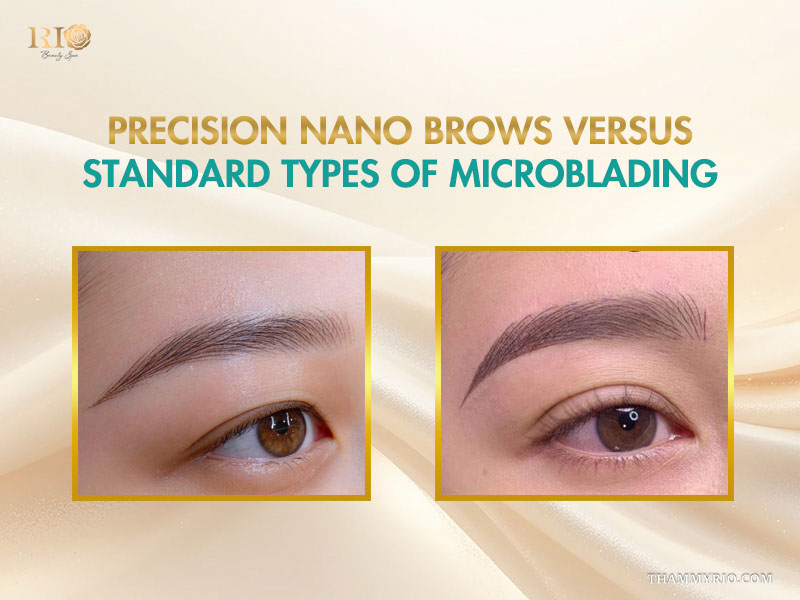
Precision nano brows versus standard types of microblading
Technological advancements have introduced machine-based methods that offer superior precision and reduced trauma. We will now compare how types of microblading differ when utilizing digital devices versus manual blades.
Discovering the technical advantages of nano needle technology
Nano brows utilize a digital machine with an ultra-fine single needle to inject pigment, offering greater control over depth and saturation. This method allows for the creation of extremely delicate strokes that stay crisp longer than traditional microblading, especially on challenging skin types. Consequently, this innovation has revolutionized the nanoblading sector by providing a versatile solution for diverse client needs.
Comparing skin trauma levels between nano and manual tools
The reciprocating movement of the digital needle causes significantly less tear to the skin compared to the dragging motion of a manual microblade. This reduction in trauma means less scabbing during the healing process and a lower risk of scarring for the client. Thus, when comparing types of microblading, the nano technique is often the preferred choice for maintaining skin integrity.
Powder brows for a sophisticated makeup appearance
For those seeking a more defined, filled-in look akin to cosmetic powder, this technique offers a distinct aesthetic. The paragraphs below analyze how this style stands out among other types of microblading.
Why powder brows look soft yet defined
The powder brows vs microblading debate often settles on personal preference, as powder brows create a soft, pixelated effect without distinct hair strokes. This shading technique builds density gradually, resulting in a look that resembles perfectly applied brow makeup. It eliminates the need for daily pencil application, offering a polished appearance immediately upon waking.
Achieving the perfect gradient effect with shading instruments
Artists use a pendulum motion with a tattoo machine to layer pigment, creating a gradient that is lighter at the bulb and darker at the tail. This “ombre” effect is a hallmark of high-quality cosmetic eyebrows, giving the face a lifted and youthful appearance. Precision in layering is what separates professional results from amateur attempts in these types of microblading.
Skin types that benefit most from powder microblading
Unlike manual strokes, the powder technique is suitable for almost all skin types, including mature and oily skin. The pixelated application anchors the pigment more effectively in oily tissues where hair strokes might blur. Therefore, this is one of the most versatile types of microblading for clients concerned about retention.
Combo brow as a hybrid microblading solution
Merging techniques allows for the best of both worlds, offering texture and depth simultaneously. Let us examine why types of microblading that combine methods are becoming increasingly popular.
Merging manual strokes with machine shading for depth
Combo brows integrate the natural fluffiness of hair strokes at the front with the definition of shading through the body and tail. This approach creates a multidimensional look that appears fuller than strokes alone but more natural than a solid powder brow. It is an excellent middle ground among the types of microblading for those undecided between styles.
Solving the problem of sparse natural brow hair with hybrids
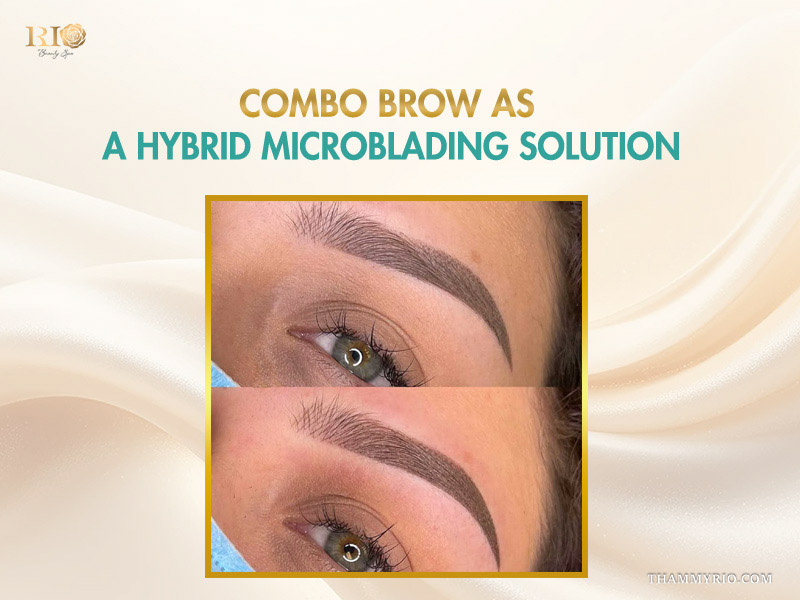
Clients with very little natural hair often find that strokes alone do not provide enough coverage to frame the eyes effectively. The addition of shading fills in the empty spaces between the strokes, mimicking the density of a full natural brow. This makes hybrid brows a transformative solution for alopecia sufferers or those with over-plucked brows.
When combo brow outperforms single techniques
The hybrid approach is superior when a client has patchiness that requires camouflage while still wanting a textured look. It offers the longevity of powder brows with the realism of hairstrokes, providing a durable yet aesthetic result. Consequently, many experts recommend this over single types of microblading for comprehensive corrections.
Ombre brow within modern microblading styles
This specific style of shading focuses heavily on the transition of color density. We will explore how this technique differentiates itself within the broad spectrum of types of microblading.
The gradient effect that defines ombre brows
Ombre brows are characterized by a soft, misty front that gradually deepens in color towards the arch and tail. This transition prevents the “blocky” look associated with old-fashioned tattoos, ensuring the brows look soft and elegant. Understanding this gradient is key when distinguishing between different types of microblading shading methods.
Why ombre brows are popular for makeup lovers
Individuals who are accustomed to wearing full makeup daily often prefer this style as it complements a glamorous aesthetic. It provides a “ready-to-go” look that pairs well with foundation and eye makeup without requiring additional brow products. Thus, among the types of microblading, this is the top choice for those who value a groomed, high-impact appearance.
Microshading and its role among different types of microblading
Microshading is often used as a supplementary or standalone technique to add density. The following points clarify the specific function of this method in the list of types of microblading.
How microshading differs from traditional microblading
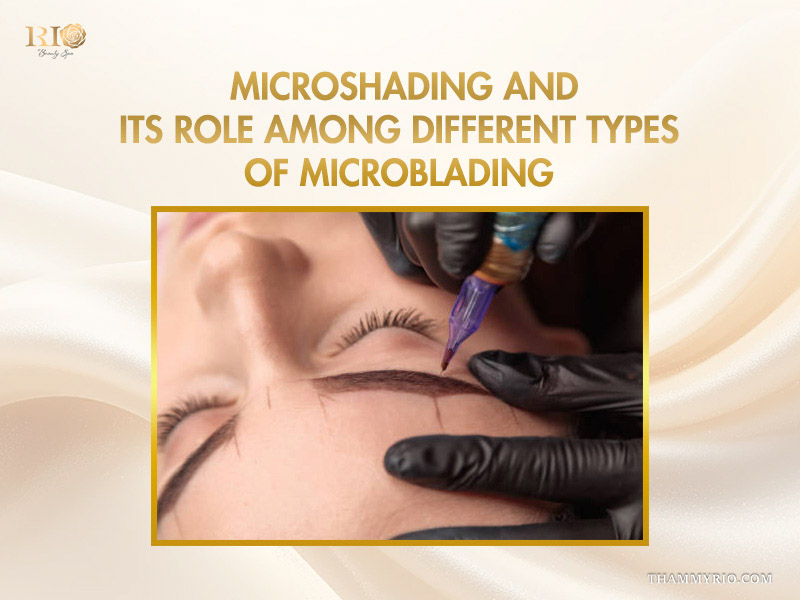
While microblading uses cuts to create strokes, microshading utilizes pin-like dots of pigment to create a background shadow. This technique is less invasive and creates a softer finish compared to the crisp lines of blading. It is crucial to understand this difference when exploring types of microblading for sensitive skin.
Who should consider microshading for fuller brows
This method is ideal for clients who have some natural hair but lack density or have specific sparse areas. It is also frequently combined with other techniques to create ombre microshading, offering a customized level of fullness. Therefore, it serves as a versatile tool in the artist’s repertoire of types of microblading.
3D and advanced types of microblading
Creating an illusion of volume requires advanced artistic skills and specific layering techniques. Here we discuss how types of microblading can be elevated to create hyper-realistic three-dimensional effects.
How layered strokes create a 3D brow illusion
3D microblading involves using different shades of pigment to create foreground and background strokes. This variation in color mimics the way light hits natural hair, creating depth and volume that a single color cannot achieve. This complexity makes it one of the most artistic types of microblading available.
Skill level required for advanced microblading results
Achieving a convincing 3D effect demands a master artist with an extensive understanding of color theory and skin physiology. At Rio Beauty Clinic, our experts are trained to execute these intricate types of microblading with surgical precision. Only a seasoned professional can ensure the layers heal distinctly without merging into a single dark mass.
Microfeathering as a minimalist microblading style
For a breezy, barely-there look, microfeathering focuses on sparse application. The section below details this subtle approach among the types of microblading.
Why microfeathering focuses on subtle enhancement
Microfeathering is designed to fill in small gaps rather than creating a completely new shape, respecting the natural brow growth. It uses the existing brow hair as a base and adds light strokes only where absolutely necessary. This philosophy contrasts with other types of microblading that aim for a total reconstruction.
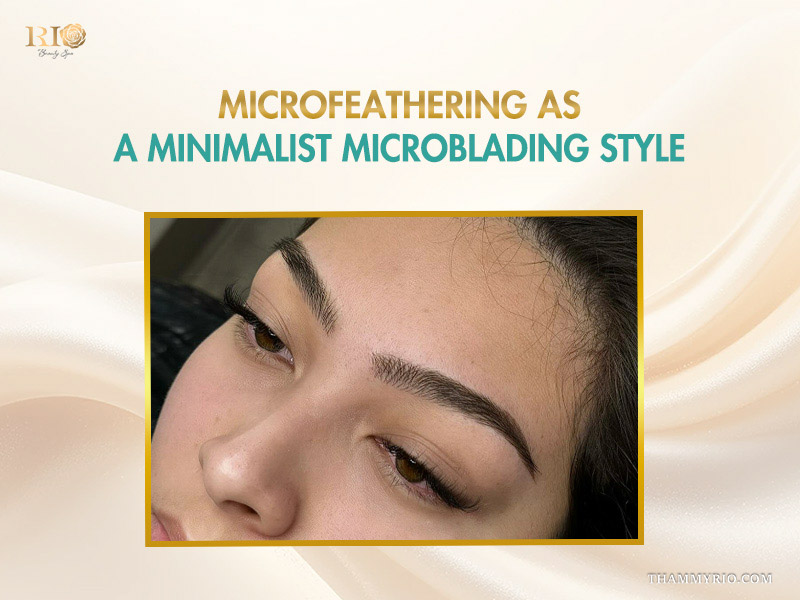
Brows that benefit from light feathered strokes
This technique is best suited for clients who already have decent brow hair but want a slight boost in fullness or definition. It creates feathery eyebrows that look unstudied and effortless, popular among proponents of the “no-makeup” makeup look. It is the most conservative option among the types of microblading.
Advanced microfeathering for an effortless and airy look
Taking the feathering concept further involves intricate placement to maintain an airy texture. We analyze how this advanced version compares to standard types of microblading.
Emphasizing the natural gaps for a realistic brow texture
Advanced microfeathering intentionally leaves small spaces between strokes to prevent the brow from looking too solid or heavy. This negative space allows the skin to show through slightly, mimicking the texture of real, fluffy hair. Such detail-oriented work distinguishes high-end artistry from standard types of microblading.
Maintaining the subtle beauty of feathered eyebrow enhancements
Because the strokes are light and sparse, this style may require more frequent touch-ups to maintain its delicate appearance. Clients must be committed to a maintenance schedule to keep their types of microblading looking pristine. However, the tradeoff is a hyper-natural look that never appears heavy or tattooed.
Essential factors when comparing different types of microblading
Making an informed decision involves analyzing your personal biological factors against the technique’s requirements. The following insights guide you through the practical considerations of types of microblading.
Matching your skin profile with the appropriate pigment style
Your skin type—whether oily, dry, thin, or aged—dictates which technique will heal with the most fidelity. For instance, microblading for men often requires a different approach due to thicker skin textures compared to women. Consulting an expert ensures you match the right types of microblading to your physiological profile.
Planning your long-term maintenance and touch-up schedule
Permanent makeup is a commitment that extends beyond the initial appointment, requiring planned maintenance. You must consider the cost microblading incurs over time, including annual color boosts to counteract fading. Different types of microblading have varying lifespans, influencing your long-term budget and schedule.
Comparing different types of microblading side by side
A direct comparison helps clarify the pros and cons of each method relative to your lifestyle. We break down the functional differences between these types of microblading.
Longevity, healing time, and maintenance differences
Machine-based brows generally last longer and heal faster than manual blade techniques due to precise pigment implantation. While microblading removal is possible, choosing a longer-lasting technique initially requires certainty in your style choice. Therefore, evaluating durability is critical when browsing types of microblading.
Which microblading type delivers the best value
Value is subjective; for some, it is the longevity of powder brows, while for others, it is the naturalism of nano strokes. Considering the benefit of microblading against the price helps determine which investment yields the highest satisfaction. Ultimately, the best value among types of microblading is the one that makes you feel most confident.
How professionals choose the best types of microblading
Experts rely on a comprehensive analysis of the client’s features rather than fleeting trends. Here is how our specialists navigate the various types of microblading to recommend your ideal match.
Facial structure, skin condition, and lifestyle factors
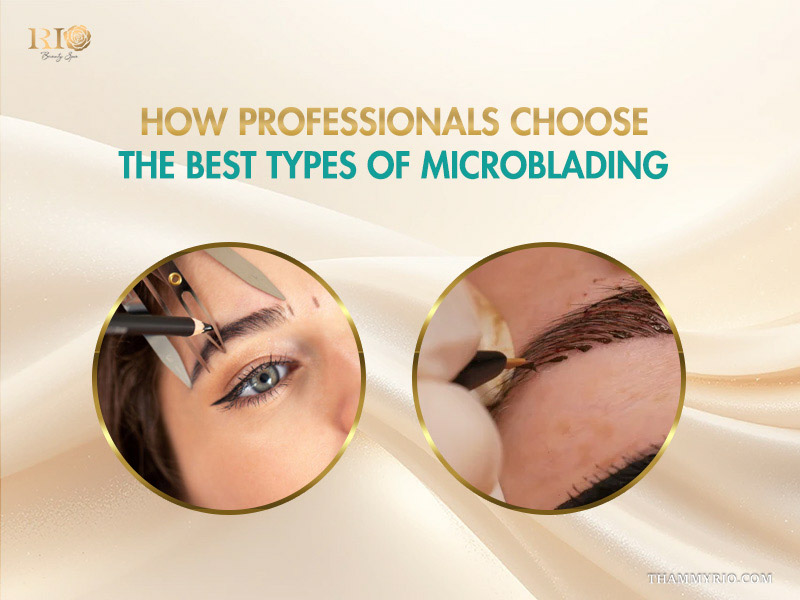
A professional artist assesses your bone structure, the symmetry of your eyes, and your daily routine before suggesting a method. Active lifestyles involving heavy sweating might not suit standard microblading, making powder or nano shading better alternatives. This holistic assessment is standard procedure when selecting types of microblading.
Why types of microblading consultation matters more than trends
Trends fade, but your facial features remain, making personalized consultation the most critical step. At Rio Beauty Clinic, experts like Master Artist Pham Thanh Tam and Expert Tran Manh Thang utilize their deep knowledge to guide you away from unsuitable fads. Their expertise ensures that the chosen types of microblading enhance your natural beauty for years to come.
Final thoughts on choosing among different types of microblading
Your eyebrows are a defining feature of your face, deserving of thoughtful consideration and expert execution. Concluding our guide, we reflect on how the right choice among types of microblading impacts your overall aesthetic.
Matching personal expectations with the right technique
Communication with your artist is the bridge between your vision and the final reality on your face. Whether you desire the boldness of Korean eyebrows or the subtlety of feathering, clarity is key. Aligning your expectations with the capabilities of specific types of microblading ensures a happy outcome.
How the right types of microblading elevates long-term brow aesthetics
Investing in the correct technique transforms your daily routine and boosts your self-esteem significantly. A well-executed brow lift tailored to your face can take years off your appearance and frame your eyes beautifully. We encourage you to choose wisely among the types of microblading to enjoy lasting, beautiful results.
Rio Beauty Clinic System in Vietnam:
Hotline/WhatsApp: +84 966 941 999 and +84 963 246 533
Email: Telesale.riostudio1@gmail.com
Fanpage: Rio Beauty Clinic
Instagram: https://www.instagram.com/tham.my.rio.beauty.clinic



Có thể bạn quan tâm:
Laser anal whitening: safe, effective & long-lasting results
Darkening around the anal and perianal area can develop gradually, and
Laser anal whitening: safe, effective & long-lasting results
Dark pigmentation in the perianal area is a common physiological response
Rio Pink Secret: At-home intimate brightening solution
Hyperpigmentation in intimate areas is a natural physiological response that many
Scar camouflage tattoo
Wearing tiger stripes sounds cool until those marks appear uninvited on
Whiten nipple: Effective tips and treatments
Many individuals seek to whiten nipple and areola areas to restore
Discover safe laser intimate skin bleaching solutions
Intimacy and body confidence go hand in hand, and for many,