


Noticing a sun spot on face can be concerning, but understanding its root causes is the first step toward clearer skin. If you are wondering how to effectively manage these stubborn marks, you are in the right place. This comprehensive guide explores why these pigmented areas appear and walks you through highly effective solutions, from basic daily care to advanced clinical options, helping you regain an even, radiant complexion.
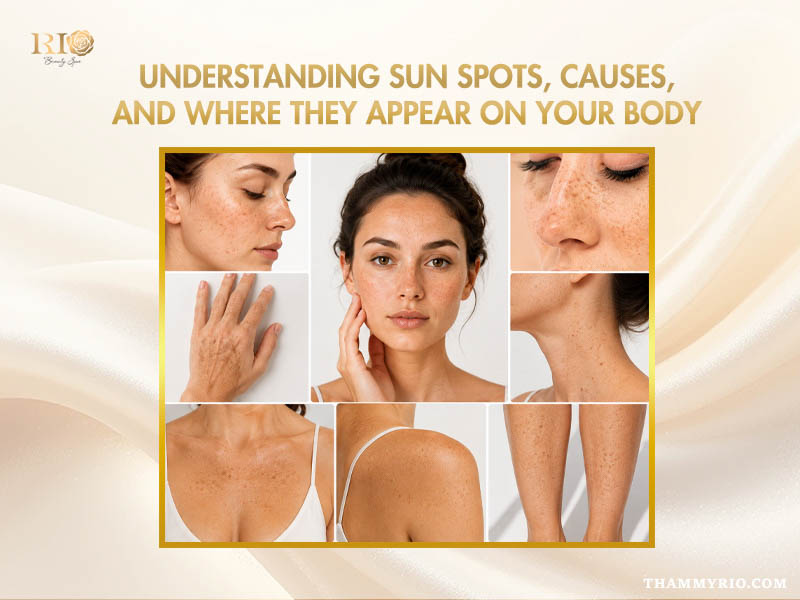
Understanding sun spots, causes, and where they appear on your body
When you start noticing unfamiliar pigmentation, understanding what you are looking at is crucial. Sun spots are incredibly common, but they can manifest differently depending on where they appear. Let us break down the exact nature of these marks and how to identify them across various areas of your body.
What are aging sun spots and solar lentigines?
Medically known as solar lentigines, these flat, darkened patches of skin are primarily driven by UV exposure. If you are seeking a solar lentigines treatment, solar lentigo treatment, or lentigo solaris treatment, you are essentially looking for ways to address these concentrated clusters of melanin. Commonly referred to as aging sun spots, they typically range in color from light brown to dark black and are non-cancerous.
Why sun spots on face and nose develop over time
Your face is constantly exposed to daylight. A sun spot on face or tiny sun dots on face develop when UV rays stimulate excess melanin production as a protective response. Over years of exposure, this melanin clumps together, forming visible sun spots facial marks. Because the nose protrudes and catches the most light, sunspots on nose and general sun spots in face are often the first signs of accumulated photo-aging.
Identifying sun spots on hands, neck, chest, and shoulders
Beyond the face, your upper body is highly susceptible. Sun spots on hands (or sunspots on hands) are classic indicators of driving or walking outdoors without protection. Similarly, the delicate skin of the décolletage frequently develops sun spots on chest and sun spots neck due to open-collar clothing. Sun spots shoulders often emerge after years of summer activities and beach outings.
Detecting sun spots on back and legs
While less constantly exposed than your face or hands, your lower body and posterior are not immune. Sun spots on back typically stem from intense, intermittent exposure during vacations or swimming. Sun spots on legs can appear after years of wearing shorts or skirts outdoors, manifesting as scattered, flat brown marks that become more prominent with age.
How to spot raised sun spots on face and when to see a doctor
Standard sun spots are flat. If you notice raised sun spots on face, a rapid change in color, irregular borders, or a spot that bleeds or itches, it is vital to consult a dermatologist. While seborrheic keratoses (benign growths) can sometimes mimic raised pigmentation, any evolving lesion requires professional evaluation to rule out more serious skin conditions.
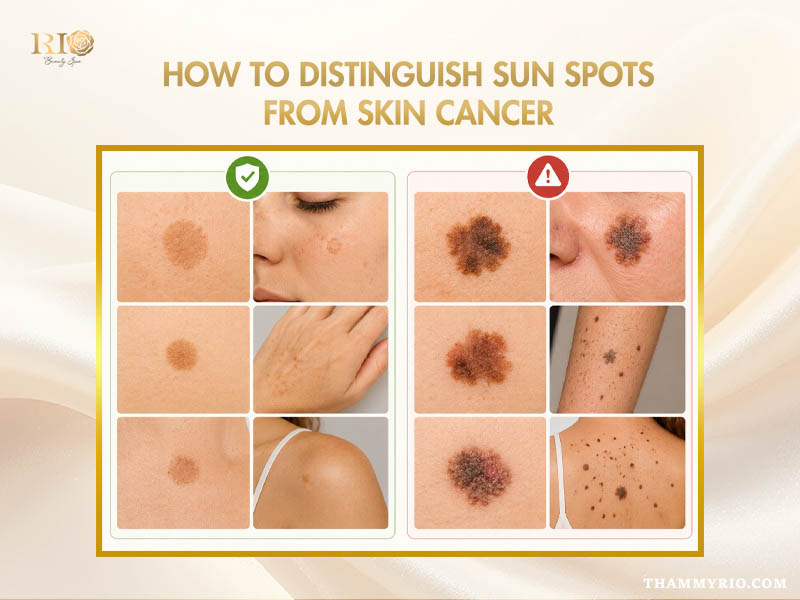
How to distinguish sun spots from skin cancer
It is essential to know the difference between harmless sun damage and potential health risks. Below is a scientific comparison to help you differentiate:
| Feature | Benign Sun Spots (Solar Lentigines) | Potential Melanoma / Skin Cancer |
| Shape & Symmetry | Symmetrical, oval, or round. | Often asymmetrical; one half does not match the other. |
| Borders | Smooth, distinct, and well-defined. | Ragged, notched, blurred, or irregular edges. |
| Color | Uniform shade of brown, tan, or black. | Multiple colors within one spot (red, white, blue, black). |
| Size | Usually remain a consistent size (often < 6mm). | Frequently larger than 6mm and visibly growing. |
| Evolution | Stable over time; may fade slightly in winter. | Rapidly changes in size, shape, color, or elevation. |
| Texture | Flat; feels exactly like the surrounding skin. | Can become raised, scaly, crusty, or prone to bleeding. |
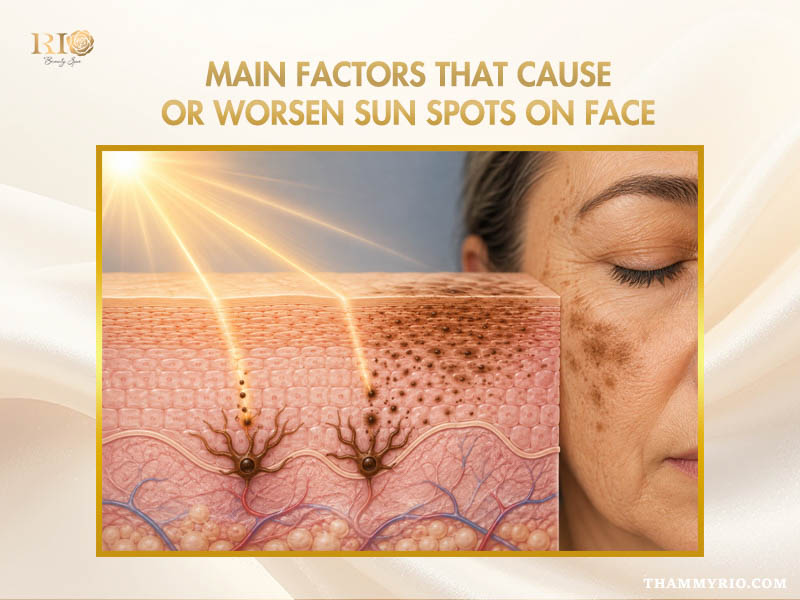
Main factors that cause or worsen sun spots on face
Understanding why your skin develops dark marks empowers you to stop them from worsening. Let us explore the primary triggers that cause a sun spot on face to emerge and darken over time.
Long-term exposure to UV radiation
The most significant driver of a sun spot on face is UVA and UVB radiation. UV light penetrates the skin, prompting melanocytes to produce excess melanin to defend your cells. Over decades, this localized overproduction leads to persistent sun marks on face.
Inadequate daily sun protection
Skipping sunscreen or applying an insufficient amount leaves your skin vulnerable. Even brief, daily commutes accumulate significant UV damage over the years, making sun patches on face far more prominent and difficult to fade.
Repeated outdoor exposure and accumulated pigmentation
Pigmentation is cumulative. Repeated outdoor activities without a hat or protective gear ensure that existing melanin clusters darken further, turning faint freckles into deeply rooted sun spots in face.
Aging and changes in skin pigmentation
As we grow older, cell turnover slows down, and melanocyte activity can become erratic. This natural biological shift makes aging sun spots more prevalent, as the skin struggles to evenly distribute melanin.
Skincare habits that may make pigmentation more noticeable
Using harsh scrubs or highly sensitizing products without proper UV protection can trigger inflammation. Inflamed skin is highly reactive to light, which can inadvertently worsen your sun spot on face and lead to widespread unevenness.
How can I get rid of sunspots with basic skincare?
If you are asking, “how can I get rid of sunspots” or “how do I get rid of sunspots” from the comfort of your home, starting with a targeted skincare routine is highly effective for mild cases.
Daily sunscreen as the foundation of sun spot care
You cannot effectively get rid of sunspots if you are continuously creating new ones. Broad-spectrum sunscreen (SPF 30 or higher) is non-negotiable. It prevents current spots from darkening and protects against future photo-damage.
Gentle cleansing for pigmentation-prone skin
Harsh cleansers strip the skin’s barrier, leading to irritation. Opt for a gentle, pH-balanced cleanser that removes daily impurities without aggravating the skin, keeping your complexion calm and ready for treatment serums.
Hydration and barrier support for healthier skin
A strong moisture barrier helps skin heal. Ingredients like ceramides and hyaluronic acid keep the skin plump and resilient, which indirectly supports the fading of a sun spot on face by promoting optimal cellular function.
Skincare ingredients commonly used for uneven pigmentation
Incorporating targeted active ingredients is key to sun spot skin care. Look for cream for sun spots on face containing Niacinamide, Alpha Arbutin, Licorice Root Extract, or Kojic Acid. For brightening, vitamin c sun spots serums are highly regarded for their antioxidant properties.
Why consistent skincare matters when targeting sunspots
Fading hyperpigmentation takes patience. Whether you use a standard cream for sun spots or specialized skin products for sun spots, consistency over weeks and months is required to see visible improvement in sun spots facial marks.
How to get rid of sunspots with professional treatments
When at-home skincare is not enough, you might wonder how to get rid of sunspot marks that are deeply rooted. Professional interventions offer advanced ways on how to take away sunspots and how to eliminate sun spots on face effectively.
Professional skin assessment before treatment
Before proceeding with any sun spot treatments, a detailed skin analysis is critical. A specialist needs to evaluate the depth of the pigment to recommend the appropriate facial treatment for sunspots.
Laser treatment for visible facial sun spots
For dramatic results, laser treatment for sun spots is a leading option. A targeted laser sun spot treatment breaks down the excess pigment safely. Whether it is a fractional laser or Q-switched technology, laser therapy for sun spots offers precise sun spot removal.
Targeted pigmentation treatments for localized spots
If you only need to remove a sun spot that is isolated, specialists might suggest focal treatments. Options like cryotherapy for sun spots or a specific chemical peel for sun spots can accurately target and exfoliate the pigmented cells.
Combination approaches for persistent pigmentation
For stubborn sun damage laser treatment cases, combining modalities works exceptionally well. A specialist might pair a mild peel with an IPL laser for sunspots to address both surface texture and deeper sun patches on face.
Why treatment plans should be customized
No two faces are alike. The best face treatment for sun spots for one person might cause irritation in another. Customization ensures safety, matching the sun spot treatments to your specific skin tone and sensitivity levels.
How do you get rid of sunspots on face at Rio Beauty Clinic?
If you are searching for “how do you get rid of sunspots on face“, “how to get rid of face sun spots“, or “how to get rid of sunspots face” with professional guidance, Rio Beauty Clinic offers advanced, highly tailored solutions.
Personalized pigmentation assessment at Rio Beauty Clinic
Every journey at Rio Beauty Clinic begins with a thorough diagnostic phase. We evaluate whether you are dealing with a standard sun spot on face, a broader brown spot on skin, or complex hyper-pigmentation. This ensures your treatment path is incredibly precise.
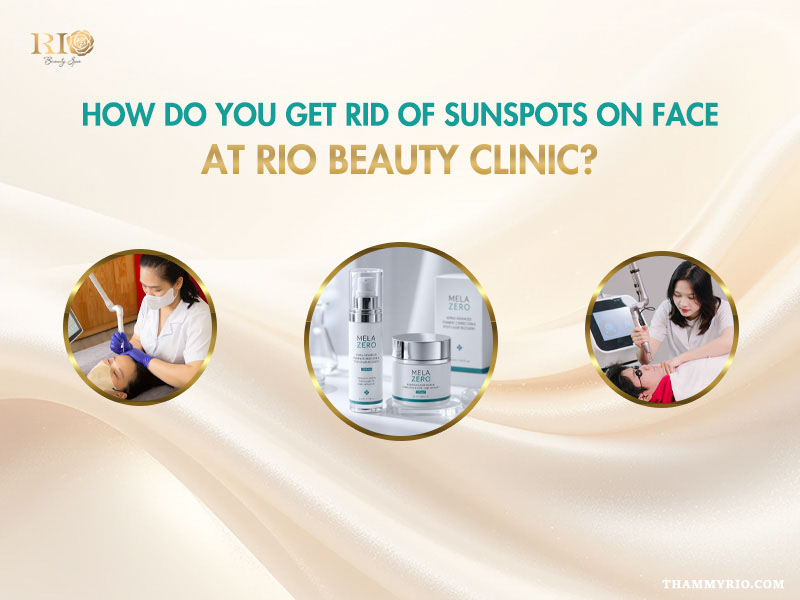
Nova Laser for advanced pigmentation improvement
To effectively eliminate sun spots, we utilize our state-of-the-art Nova Laser technology. This powerful system breaks down melanin particles safely, making it a highly requested laser sun spots removal option for clients seeking a clear, even complexion without extended downtime.
Mela Zero products supporting pigmentation care
To enhance and maintain your clinical results, we incorporate the exclusive Mela Zero product line. These advanced formulations actively suppress excess melanin production, providing superior ongoing care for your newly treated skin.
Expert-led treatments with CEO Pham Thanh Tam
For challenging cases, you can trust our visionary leader. Treatments overseen by CEO Pham Thanh Tam bring decades of aesthetic mastery, ensuring that your sun spot removal is handled by one of the industry’s most respected figures.
In-depth dermatological consultation with Master Vuong My
We prioritize your skin’s health. An in-depth consultation with Master Vuong My guarantees that every underlying factor contributing to your dark dot on skin or dark dot on skin is identified and addressed carefully.
Customized treatment planning based on individual skin needs
Our professional aesthetic team designs a unique roadmap for you. Whether you need an IPL laser sun damage protocol or specific laser sessions, your tailored plan will focus on delivering the optimal outcome for your unique skin profile.
How much does the sun spot removal service currently cost?
Investing in a clearer complexion is an investment in your confidence. The exact price varies depending on the size of the area, the depth of the pigmentation, and the specific technology used. For a detailed breakdown of our transparent pricing and to understand the value of your investment, please review our comprehensive guide on the laser dark spot removal cost.
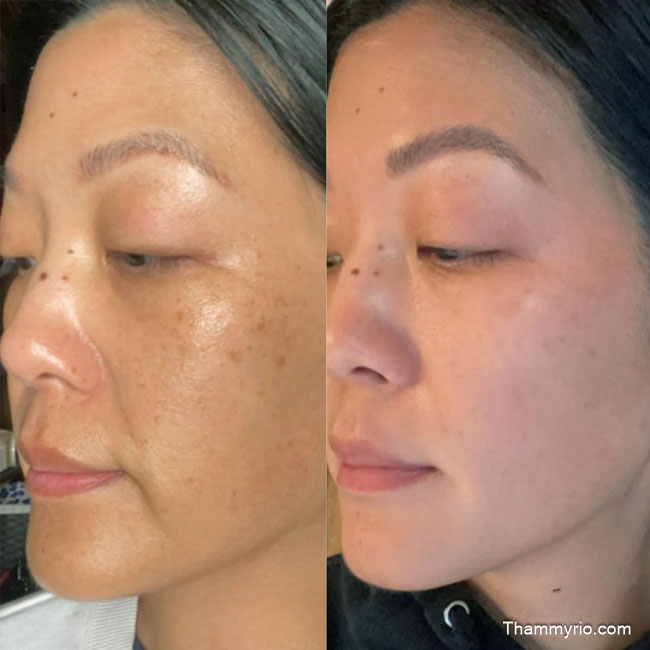
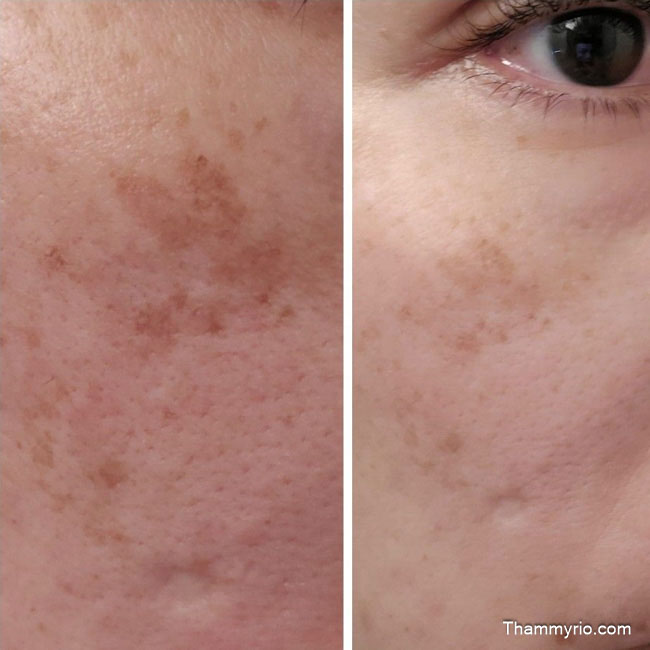
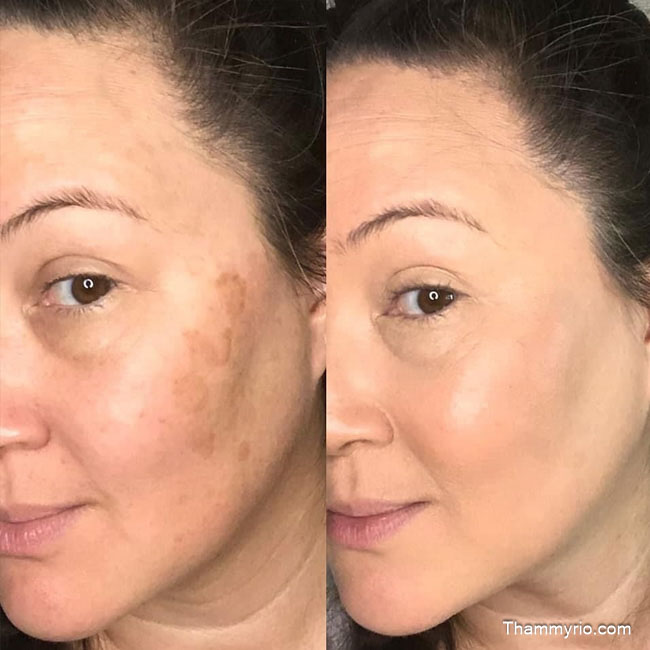
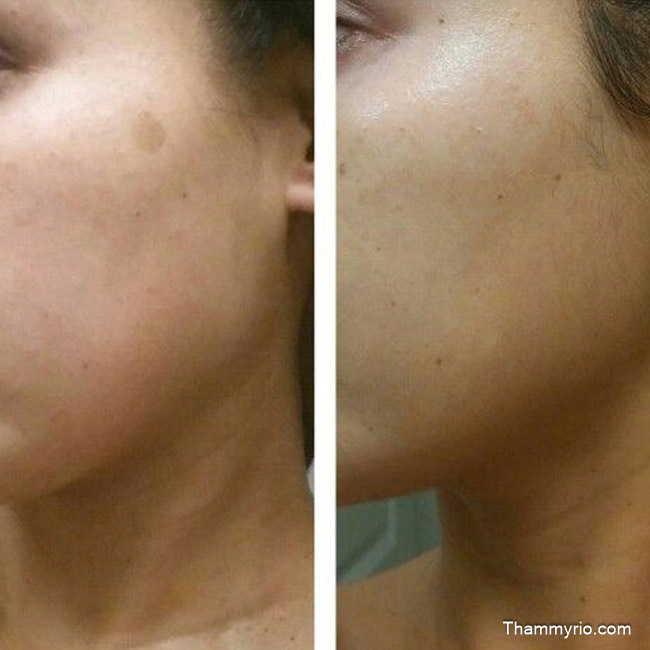
Frequently asked questions about getting rid of sunspots
Navigating the world of skin pigmentation can raise many queries. Here are clear answers to the most common questions regarding how to rid of sunspots on face.
How to get rid of sunspots naturally without irritating your skin?
If you are wondering how to remove sun spots naturally or how to naturally get rid of sunspots, look to gentle botanicals. Ingredients like licorice extract, green tea, and aloe vera can gently brighten the skin over time without causing harsh reactions.
Do sun spots go away on their own, or do they need sun spot treatment?
Many ask, do sun spots go away or can sun spots go away naturally? Unfortunately, genuine solar lentigines do not fade completely without intervention. While they might lighten slightly in winter, a dedicated treatment for sun spots is required for significant removal.
What is the best sun spot treatment for face: creams, chemical peel, or laser?
The best sun spot treatment for face depends on severity. Creams for sun spots on face work for mild issues, chemical peels are great for surface-level brightening, while a laser to remove sun spots provides the most profound, lasting results for stubborn marks.
Can vitamin C and sun spot creams help remove facial sun spots?
Yes, a high-quality sun spot remover face serum containing Vitamin C inhibits melanin production and brightens the overall complexion, making it a valuable tool to remove facial sun spots over time.
Is IPL treatment for sun spots effective for facial pigmentation?
An IPL treatment for sun spots (Intense Pulsed Light) is highly effective. It targets the brown pigment, causing the spots to darken temporarily before they naturally flake off the skin.
How many sessions of laser sun spot removal are usually needed?
For effective laser treatment for sunspots, most clients see substantial improvement in 1 to 3 sessions. However, the exact number depends on the specific laser sun spot technology and the darkness of the lesion.
What should I avoid after laser treatment for sunspots?
After a laser therapy for sun spots, you must avoid direct sun exposure, saunas, hot showers, and harsh active ingredients (like retinoids or strong acids) for several days to allow the skin to heal properly.
Can sun spot removal treatments cause side effects or skin discoloration?
If performed by inexperienced practitioners, a treatment sun spots procedure can cause burns or post-inflammatory hyperpigmentation. This is why seeking treatment from certified experts like Expert Tran Manh Thang is vital for safety.
How can I prevent sunspots from coming back after treatment?
To stop getting rid of sun spots from becoming a repetitive cycle, rigorous sun protection is mandatory. Wear broad-spectrum SPF daily, use protective hats, and maintain a brightening skincare routine.
Is laser sun spot treatment suitable for all skin types and skin tones?
Not all lasers are safe for deeper skin tones. A specialist must select the correct wavelength (such as ND:YAG) to safely target the sun marks on face without damaging the surrounding natural pigment in darker skin.
We hope this comprehensive guide has empowered you with the knowledge to safely and effectively address pigmentation issues. Your journey to radiant, even-toned skin deserves the guidance of true professionals. We wish you success in finding the ideal destination to reveal your skin’s natural brilliance!
Contact Rio Beauty Clinic Vietnam today to begin your transformation:
- Hotline and WhatsApp: +84 966 941 999 or +84 963 246 533
- Email: Telesale.riostudio1@gmail.com or thammyrio999@gmail.com
- Fanpage: Rio Beauty Clinic
- Address: 205 Thuy Khue, Tay Ho, Hanoi


Có thể bạn quan tâm:
Scalp micropigmentation for scars: a practical guide
Living with scars on your head can affect your self-confidence, especially
Expert scalp micropigmentation after hair transplant
A hair restoration procedure is a significant step toward regaining your
Scalp micropigmentation pricing: 2027 guide
Understanding scalp micropigmentation pricing is a vital step for anyone considering
Flawless stretch mark camouflage tattoo: Best technique
Are you tired of feeling self-conscious about visible lines on your
Beard micropigmentation: Fuller beard without surgery
A dense, well-defined beard has long been a symbol of masculinity
Top skin camouflage tattoo in Hanoi for clear skin
Living with scars, stretch marks, or uneven skin pigmentation can affect