


Living with visible scars often creates persistent emotional distress, influencing clothing choices, limiting social confidence, and serving as an unwanted daily reminder of past surgeries or trauma. Many individuals attempt to hide these dermal imperfections behind thick cosmetic foundations or heavy body art that merely swaps a pale mark for an aggressive, dark design.
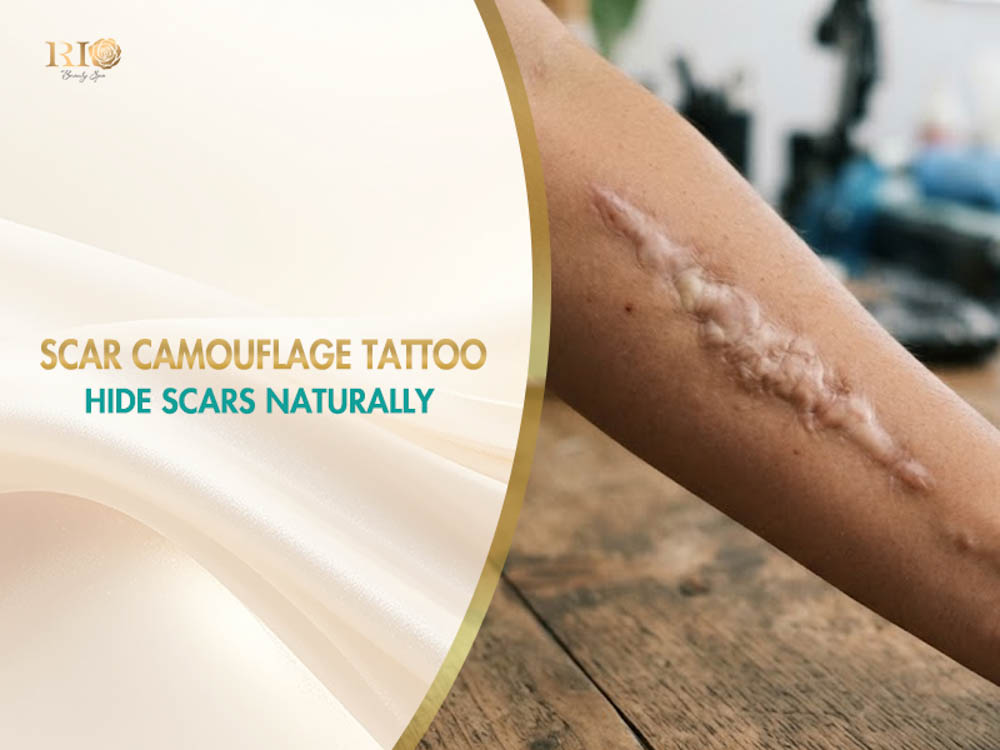
Modern restorative aesthetics now provides an authentic, non-invasive alternative: a specialized scar camouflage tattoo. By depositing biocompatible, flesh-toned pigments into the upper layers of compromised skin, paramedical specialists neutralize harsh contrast, allowing uneven tissue to blend naturally into your original complexion.
Why scars become a cosmetic concern: types and emotional impact
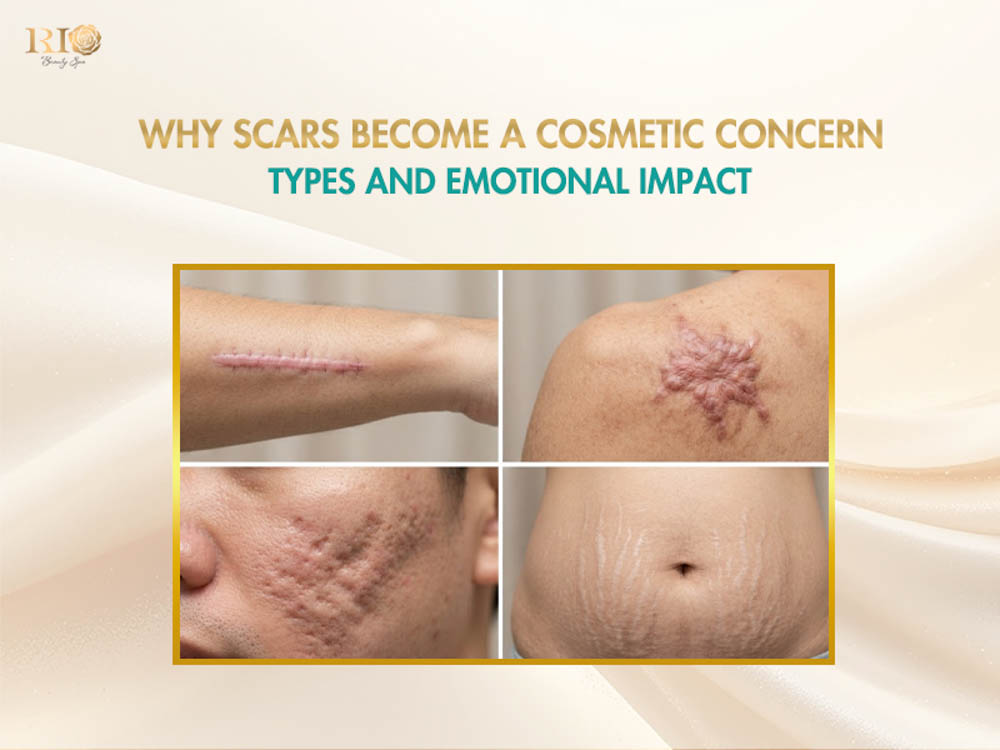
The physical manifestation of scar tissue is fundamentally distinct from uninjured skin. Understanding how scars form and why they lose their natural pigment clarifies why a targeted scar camouflage tattoo delivers predictable, natural concealment where topical products fail.
Surgical scars, burn scars, acne scars, and other common types of visible skin scarring
When deep dermal trauma occurs, the body quickly produces dense collagen fibers to close the wound. However, this new tissue lacks the complex cellular architecture of healthy skin, leading to distinct scar types:
- Surgical scars: Incisions from Cesarean sections, tummy tucks, thyroid surgeries, and cosmetic augmentations often heal into stark, pale lines devoid of natural pigment. A paramedical medical tattoo for scars directly restores chromatic balance across these pale surgical borders.
- Burn scars: Thermal and chemical burns cause wide, irregular hypopigmented patches with altered light reflection. Applying specialized skin camouflage for burn scars breaks up noticeable visual boundaries across large surface areas.
- Trauma and accident scars: Lacerations from road incidents or accidental impacts frequently leave uneven, white fibrous tracks where a skin tone tattoo for accident scars helps re-establish a uniform tone.
- Acne scars: Deep atrophic or rolling acne blemishes on facial or body skin often leave patchy, discolored spots that highlight uneven texture.
Stretch marks and keloids: when camouflage can help
Beyond common scars, deep stretch marks (striae distensae) represent tears in the dermal elastin framework following rapid growth, weight changes, or pregnancy. When these marks mature into silver-white lines, a paramedical tattoo for scars deposits micro-pigments along the striations, diffusing light and reducing their appearance.
Conversely, raised hypertrophic scars and keloids require careful evaluation. Because active keloids involve continuous fibrotic proliferation, applying a scar camouflage tattoo directly to an inflamed, raised surface is counterproductive; the tissue must first undergo structural flattening before any pigment implantation can occur.
The psychological toll of visible scars
Visible scars often carry a significant emotional burden. Many individuals experience heightened anxiety in intimate settings, avoid swimwear, or constantly adjust clothing to conceal exposed marks.
The purpose of scar camouflage tattooing extends beyond superficial aesthetics; it offers emotional relief by helping individuals regain a sense of bodily wholeness and privacy.
How scar camouflage tattoo works: principles of paramedical tattooing
Unlike conventional tattooing, which focuses on bold lines and high visual contrast, a restorative scar camouflage tattoo is an exercise in chromatic subtlety and optical diffusion.
Skin tone matching for different scar types
Achieving a natural result requires an in-depth understanding of human skin undertones. Normal skin is composed of varying proportions of melanin, hemoglobin, and carotene. Because fibrotic scar tissue lacks melanocytes, it cannot synthesize color naturally.
When preparing a skin tone tattoo for scars, the practitioner custom-blends mineral and organic base pigments to match the surrounding uninjured tissue:
- Warm peach and golden bases: Neutralize cool, bluish, or grayish undertones common in deeper scars.
- Neutral olive pigments: Counteract underlying redness and prevent the healed pigment from shifting orange in sunlight.
- Calibrated skin tones: Formulated to match the individual’s natural melanin profile under ambient daylight.
The role of pigment depth and skin texture
Precise needle depth is essential when working with fibrotic tissue. Traditional tattoo needles penetrate deep into the reticular dermis (1.5mm to 2.5mm), which on scar tissue causes needle blowout—an irreversible phenomenon where ink pools irregularly.
In contrast, professional scar micropigmentation deposits biocompatible particles at a depth of 0.3mm to 0.5mm, safely within the basal layer. This controlled approach ensures even pigment settling without causing secondary trauma, delivering effective skin camouflage for scars.
Why raised scars may need laser preparation first
A scar camouflage tattoo changes chromatic value; it cannot physically eliminate raised scar ridges or fill deep indentations. Applying pigment over an elevated scar merely produces a colored bump that still catches directional light.
For this reason, hypertrophic or uneven scars must first be flattened with advanced laser therapy before pigment is applied.
How texture and color are addressed together
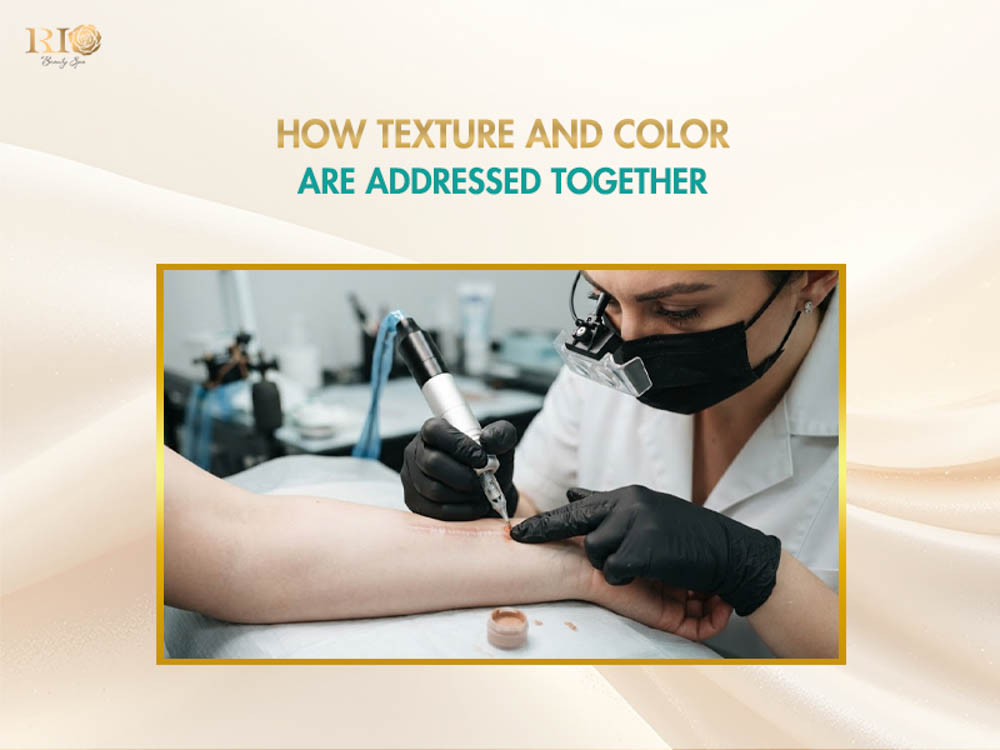
Combining surface smoothing with custom pigment implantation ensures that the scar matches the surrounding skin in both elevation and color. Once the tissue is smooth and pliable, applying a scar camouflage tattoo completes the optical illusion, making the mark difficult to detect under normal lighting.
Techniques and technologies for scar camouflage at Rio
At Rio Beauty Clinic, scar revision is performed through an integrated approach that pairs advanced skin resurfacing with precise paramedical tattooing.
Manual micropigmentation vs. machine shading
The clinic utilizes two primary application methods depending on the scar’s tissue density:
- Machine digital shading: Rotary devices with micro-needle cartridges deliver thousands of tiny pigment deposits per minute. This technique is ideal for larger surgical marks, burn scars, and wide stretch marks.
- Manual stippling: Single-point micro-needling hand tools allow the artist to place individual pigment droplets into delicate or narrow scars, ensuring exact alignment along subtle dermal borders.
Laser-assisted scar preparation: CO2 Fractional and Pico
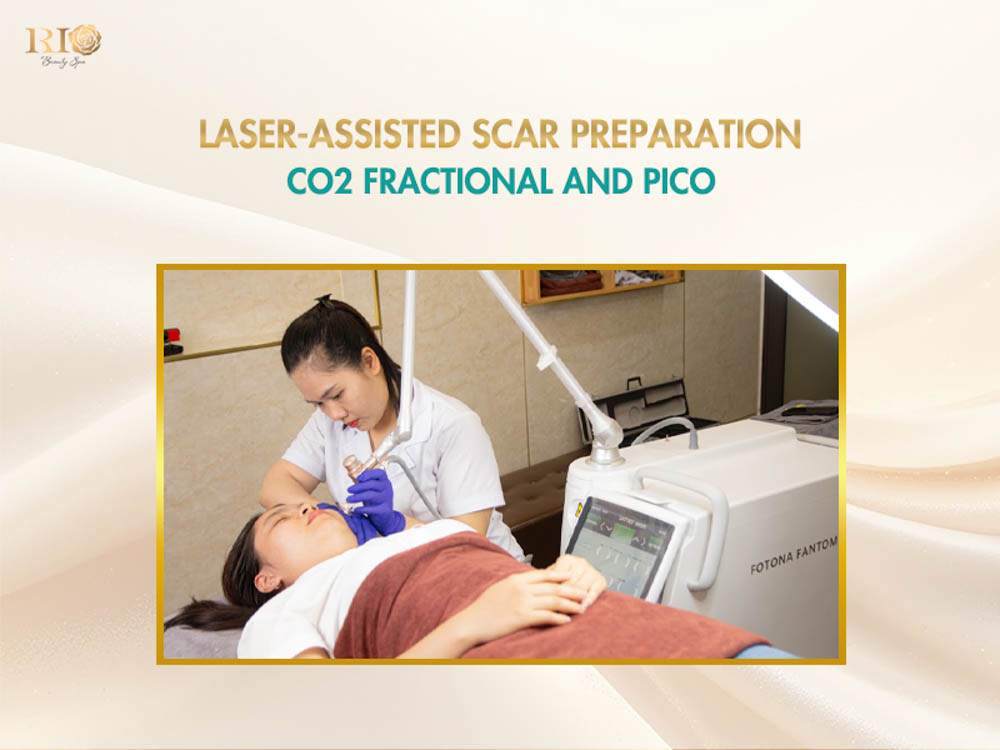
Preparing compromised tissue requires precise energy management. Rio Beauty Clinic employs advanced laser platforms, including the Rio Laser Ultra Series, which combines Nd:YAG Spectra, Ruby Laser Alpha6, and Picotech technologies:
- CO2 Fractional Laser: Creates micro-thermal treatment zones that break down dense collagen cords, softening rigid surgical and accident scars.
- Picotech Laser: Delivers ultra-short picosecond energy pulses to clear deep hyperpigmented edges without generating excessive heat.
- Vascular clearing: Through the technology Rio vascular laser system, residual post-inflammatory erythema (redness) is neutralized, transitioning the scar into a calm, pale state ready for pigment implantation.
Combining modalities for complex scars
Complex cases—such as burns or revision surgeries—benefit from a phased treatment plan. The clinic schedules 1 to 3 laser sessions to remodel tissue texture, allows the skin to heal for 8 to 12 weeks, and then completes the restoration with a targeted paramedical tattoo for scars.
| Treatment Parameter | Traditional Tattoo Studio | Rio Beauty Clinic Integrated Protocol |
| Pre-Treatment Evaluation | Visual check without specialized skin typing | In-depth assessment of scar maturity and tissue flexibility |
| Tissue Preparation | None; ink is tattooed directly over rigid tissue | Laser resurfacing to soften and level scar tissue |
| Pigment Formulation | Industrial carbon-heavy tattoo ink | 100% certified organic biocompatible pigments |
| Needle Depth Control | Deep reticular dermis (risk of blowout) | Basal epidermis/papillary dermis (0.3–0.5mm) |
| Color Longevity | Prone to shifting blue, green, or gray | Stable chromatic degradation that fades on-tone |
Why Rio Beauty Clinic stands out for scar camouflage
Selecting a clinic for paramedical micropigmentation requires verifying practitioner qualifications, equipment standards, and documented results. With over two decades of aesthetic practice in Hanoi since 2003, Rio Beauty Clinic has established itself as an authoritative center for corrective skin restoration.
Expert Tran Manh Thang: pioneer in scar and skin camouflage
At the core of Rio’s clinical expertise is Expert Tran Manh Thang, recognized as a leading pioneer who developed skin camouflage and scalp micropigmentation techniques in Vietnam.
With more than 20 years of hands-on experience in laser technology and aesthetic pigment restoration, he also serves as the Director of Erutech Vietnam. In this role, he trains doctors, clinic owners, and technicians nationwide in laser safety and aesthetic applications. His deep understanding of dermal tissue dynamics ensures that complex scar camouflage tattoo cases are executed safely and effectively.
CEO Pham Thanh Tam: dermatology-based approach
Clinical safety at Rio is guided by Artist Grand Master Pham Thanh Tam (CEO), an aesthetic specialist with over 16 years of expertise in clinical dermatology and permanent makeup.
Having served as an international competition judge and earned honors including Master Seoul Cup Winner 2022, Master Tam Aly oversees the development of personalized treatment plans. Her clinical oversight guarantees that pigment formulations match each client’s skin profile and biological characteristics.
Master Mely Thao: precision in delicate areas
Direct procedure execution is led by Master Artist Mely Thao, an internationally recognized PMU educator with over 16 years of specialized experience. Recognized as the PMU Winner in Singapore 2025 and Chief Judge at the Asia PMU Beauty Festival 2024, she is widely celebrated for her refined micro-pointillism technique.
Her gentle touch—often described by clients as “tattooing as if not tattooing”—ensures that sensitive, scarred areas receive subtle, natural pigment deposits without discomfort or swelling.
Technology and pigments: FDA, CE, ISO 13485
Rio Beauty Clinic operates top-tier equipment that meets stringent international benchmarks, including FDA (USA), CE (Europe), and ISO 13485 standards. The clinic avoids cheap, non-certified supplies, utilizing only 100% organic pigments imported directly from Germany, the USA, and South Korea (including Perma Blend, Kokkai, Labina, and Cello).
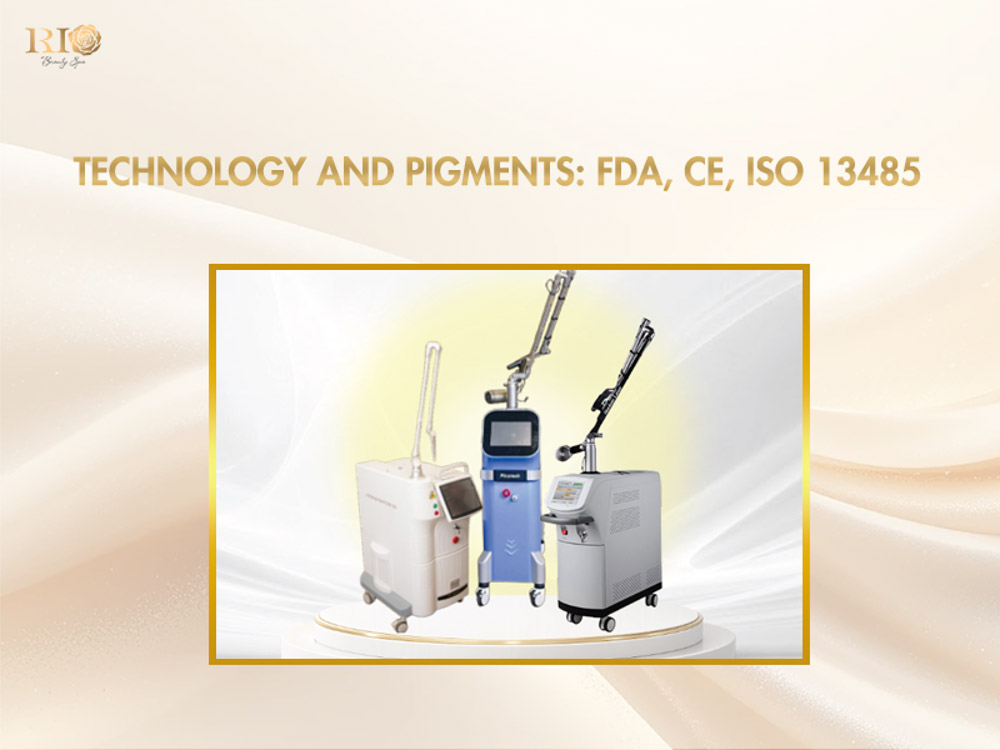
These formulations are free of heavy metals, non-irritating, and retain color stability through years of natural cell turnover.
Before and after results from real clients
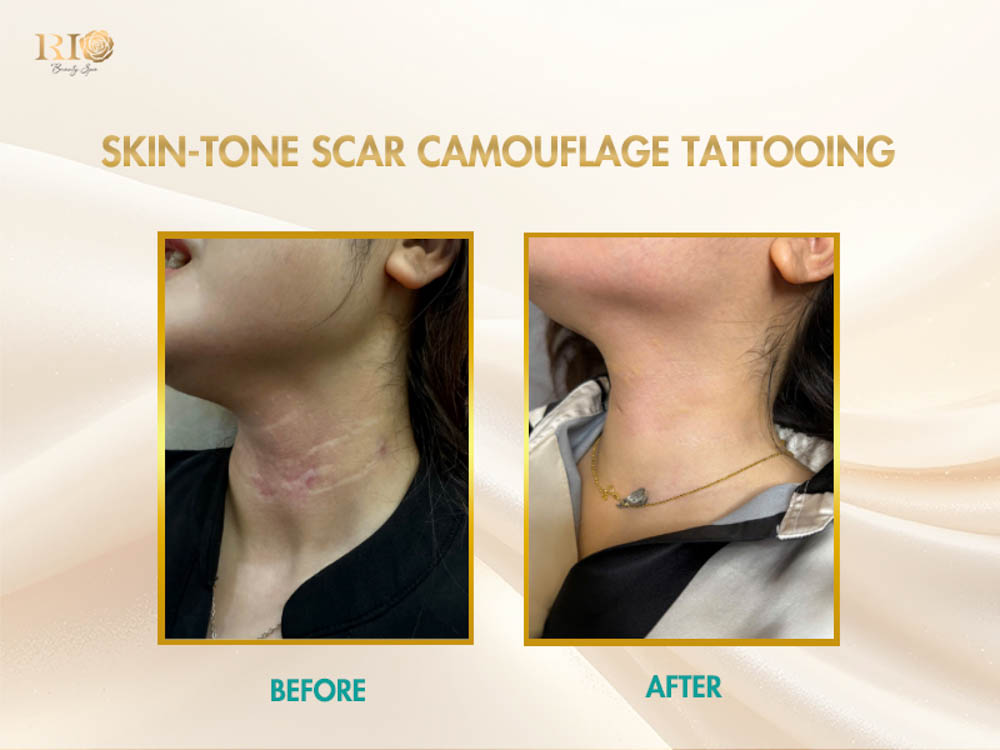
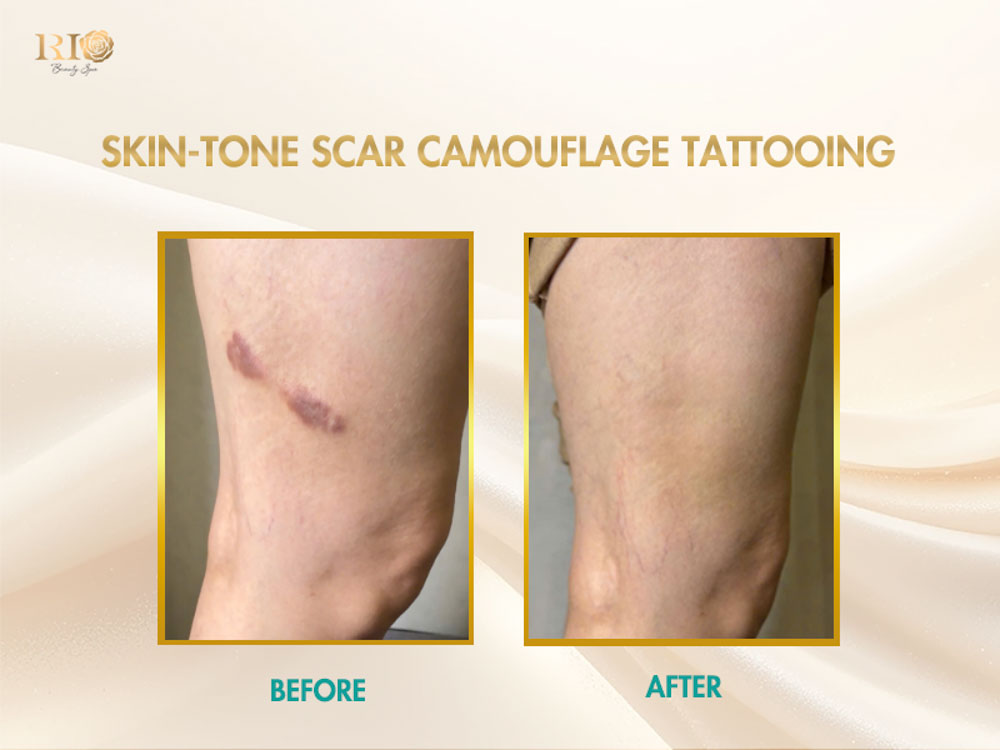
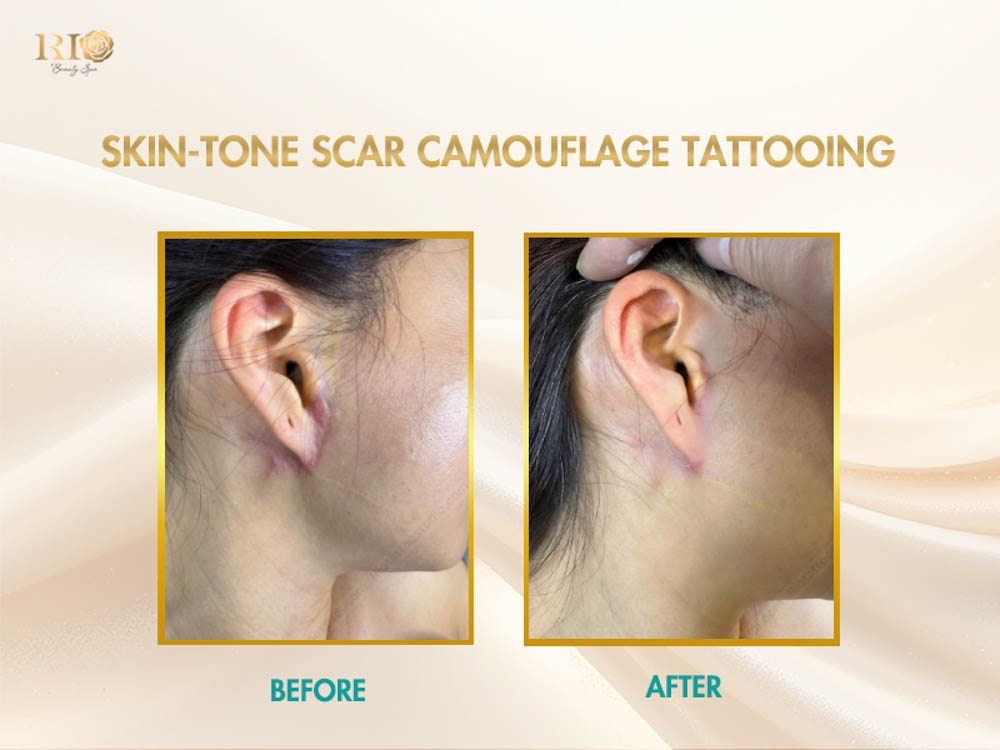
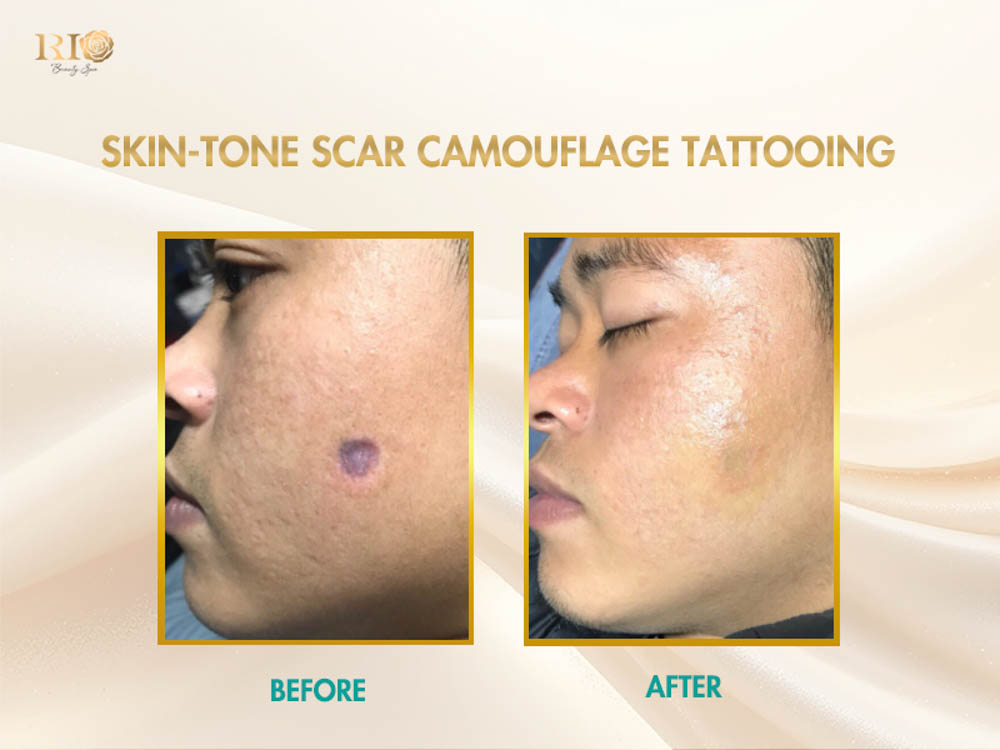
Understanding scar camouflage tattoo cost and service value
When evaluating your options, reviewing the skin tone tattoo cost helps you weigh the long-term value of professional treatment against temporary cosmetic cover-ups. Transparent pricing reflects the specialized skill, certified sterile equipment, and custom organic pigments required for a successful skin tone tattoo procedure.
The total cost of your treatment plan depends on several case-specific variables:
- Scar surface area: Small, linear surgical scars require fewer pigment units than expansive burn or trauma scars.
- Tissue texture complexity: Rigid or raised scars may require preliminary laser smoothing sessions, which adjusts the overall treatment timeline.
- Number of refinement sessions: Because scar tissue absorbs pigment differently than uninjured skin, most protocols include an initial session and a touch-up pass at 6 to 8 weeks.
Clients at Rio Beauty Clinic receive a clear, upfront estimate during their initial consultation, accompanied by an official written warranty and an exclusive 10% loyalty discount on subsequent maintenance visits.
Aftercare and long-term recovery: what to expect
Proper aftercare is essential for ensuring smooth healing and optimal pigment retention following your scar camouflage tattoo.
- Days 1–3 (Surface Settling): The treated area may show mild redness and slight tenderness. Keep the skin clean and completely dry, avoiding hot water, saunas, and strenuous exercise.
- Days 4–7 (Micro-Flaking): A fine, light micro-crust will form as the epidermis turns over. Apply a thin layer of imported Tattoo Pill aftercare cream—a German-formulated balm enriched with panthenol and soothing botanicals—twice daily to nourish the skin. Never scratch, peel, or scrub flaking skin.
- Weeks 2–4 (Color Stabilization): The initial color softens as the organic pigments settle into the upper dermis.
- Weeks 4–6 (Final Result Assessment): The true healed tone emerges as cellular renewal completes, allowing your specialist to evaluate if a minor refinement pass is needed. Always apply a broad-spectrum SPF 50 sunscreen over the area when outdoors to protect pigment longevity.
Frequently asked questions about scar camouflage tattoo
Is a scar camouflage tattoo permanent, or will it fade over time?
A professional scar camouflage tattoo typically maintains color fidelity for 3 to 5 years, and often longer depending on individual metabolism and sun exposure. Because Rio uses high-grade organic pigments free of heavy metals, the color gradually softens on-tone rather than shifting into unnatural blue, gray, or orange shades. Periodic touch-ups can maintain your results indefinitely.
Does the scar camouflage tattooing procedure hurt on sensitive scar tissue?
Most clients describe the sensation as a light, manageable tickling or gentle vibration. Rio Beauty Clinic applies specialized topical aesthetic balms before and during the procedure to ensure a comfortable, relaxing experience.
What happens to the camouflaged scar when my skin tans in the sun?
Because scar tissue lacks active melanocytes, the scarred area will not produce melanin or darken when exposed to sunlight. While the implanted organic pigments remain stable, excessive tanning of the surrounding skin can temporarily highlight the contrast. Applying sunscreen over the area helps keep your overall complexion balanced and uniform.
Can scar micropigmentation improve raised or indented scar texture?
A scar camouflage tattoo restores natural color; it does not physically level raised tissue or fill deep indentations. For uneven scars, Rio Beauty Clinic first utilizes laser resurfacing systems, such as the Rio Laser Ultra Series, to smooth the surface before applying camouflage pigments.
Visible scars and discolored skin marks should never compromise your confidence or dictate how you live your life. Choosing a tailored scar camouflage tattoo offers a safe, predictable path to smooth, even-toned skin without the extended downtime of invasive surgical revisions.
With over two decades of aesthetic leadership in Vietnam, Rio Beauty Clinic combines advanced laser preparation, certified organic pigments, and personalized clinical care to deliver subtle, natural results. Contact our specialists today to schedule your private consultation and take the first step toward restoring your skin.
Thẩm Mỹ Rio Beauty Clinic
- Address: 205 Thuy Ke, Tay Ho, Ha Noi
- Email: Telesale.riostudio1@gmail.com or thammyrio999@gmail.com
- Hotline & WhatsApp: +8496.694.1999 or +84963.246.533
- Instagram: https://www.instagram.com/tham.my.rio.beauty.clinic/
- Fanpage: https://www.facebook.com/thammyriobeauty


 “Phạm Thanh Tâm” Đã kiểm duyệt nội dung
Có thể bạn quan tâm:
Scalp micropigmentation for scars: a practical guide
Living with scars on your head can affect your self-confidence, especially
Expert scalp micropigmentation after hair transplant
A hair restoration procedure is a significant step toward regaining your
Scalp micropigmentation pricing: 2027 guide
Understanding scalp micropigmentation pricing is a vital step for anyone considering
Flawless stretch mark camouflage tattoo: Best technique
Are you tired of feeling self-conscious about visible lines on your
Beard micropigmentation: Fuller beard without surgery
A dense, well-defined beard has long been a symbol of masculinity
Top skin camouflage tattoo in Hanoi for clear skin
Living with scars, stretch marks, or uneven skin pigmentation can affect