


Struggling with stubborn dark patches on your skin can be frustrating, but understanding your condition is the first step toward reclaiming an even, radiant complexion. Whether you are dealing with hormonal shifts, sun damage, or genetic predispositions, finding a highly effective medical treatment for melasma requires professional guidance. Explore the science behind this common skin condition and discover the top-tier therapies designed to restore your natural glow safely and effectively.
Understanding melasma and why it appears on the skin
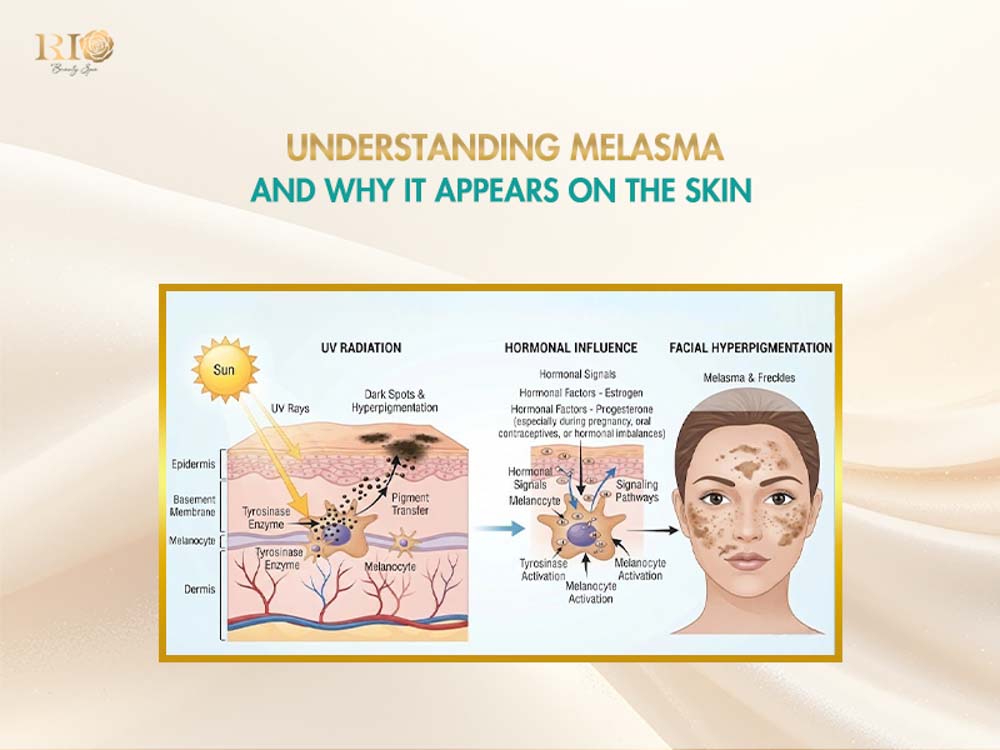
To effectively manage pigmentation, it is crucial to understand the root mechanics of how and why it develops. Melasma is a complex skin condition that goes beyond simple surface discoloration, deeply tied to your body’s internal and external environment.
What is melasma and how does it affect facial skin?
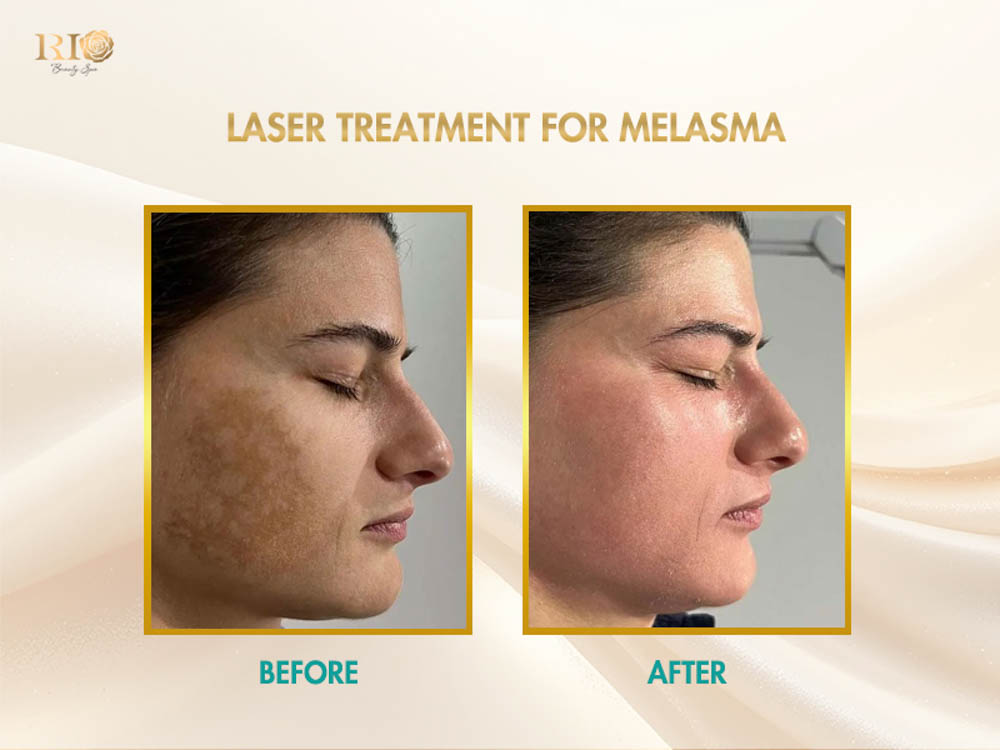
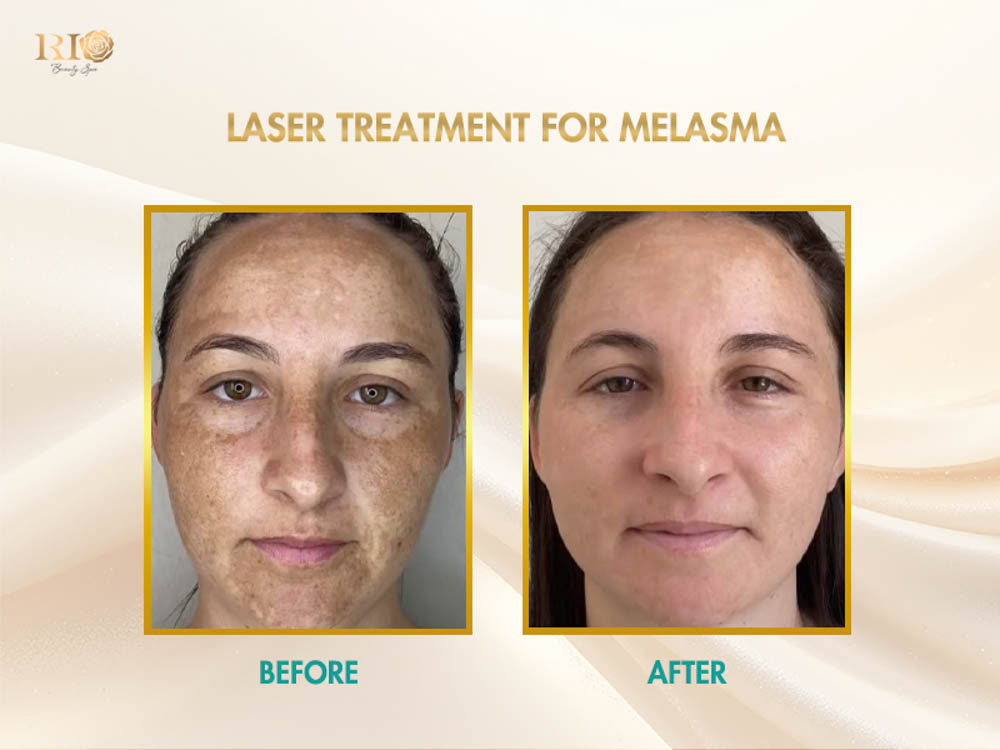
Melasma is a prevalent chronic skin disorder characterized by symmetrical, brownish, or grayish-brown patches, most commonly appearing on the face. When overactive melanocytes (pigment-producing cells) produce too much melanin, a dark dot on skin can rapidly expand into larger patches. This condition primarily affects the cheeks, bridge of the nose, forehead, chin, and upper lip, impacting the overall evenness of your skin tone.
Common causes that trigger melasma on face
The exact causes of melasma remain complex, but dermatologists agree that it stems from a combination of triggers. Genetic predisposition plays a significant role; if someone in your family has it, you are more likely to develop melasma on face. Additionally, chronic inflammation, certain medications (like anti-seizure drugs), and even visible light from screens or heat can stimulate pigment cells, making the condition highly reactive to daily environments.
Difference between melasma and other pigmentation problems
While many people confuse various dark marks, there is a clear distinction between standard hyper pigmentation (such as age spots or acne scars) and melasma. Sunspots are typically isolated and directly caused by UV damage. In contrast, melasma usually presents symmetrically on both sides of the face and is heavily influenced by systemic factors, requiring a more specialized melasma dermatology approach rather than basic brightening creams.
How hormones contribute to melasma and pregnancy
Hormonal fluctuations are primary drivers for pigment overproduction. The connection between melasma and pregnancy—often referred to as the “mask of pregnancy” or chloasma—is remarkably common due to spikes in estrogen and progesterone. Similarly, birth control pills, hormone replacement therapies, and thyroid dysfunctions can trigger hormonal melasma, which may fade after pregnancy or stopping the medication, but often requires professional intervention to clear fully.
Why sun exposure makes melasma worse
Ultraviolet (UV) rays are the biggest external aggravators for any pigmentation issue. When UV light hits the skin, it signals melanocytes to produce more pigment as a defense mechanism. For individuals with melasma skin conditions, even a brief period of unprotected sun exposure can cause faded patches to return vividly. Therefore, a high-quality sunscreen for melasma is non-negotiable for long-term management.
Types of melasma commonly found on the face
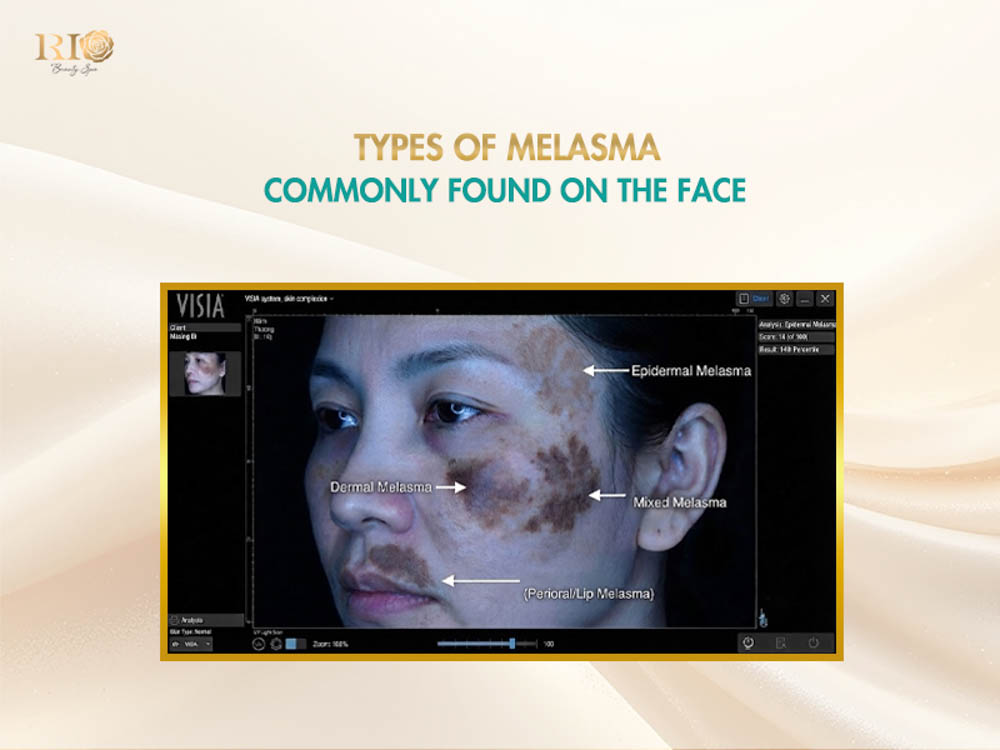
Not all pigmentation is created equal. Identifying the specific depth and pattern of your discoloration is essential for selecting the correct therapy melasma approach.
Epidermal melasma and surface pigmentation
This type features a dark brown color, a well-defined border, and responds well to topical treatments. Epidermal melasma lives in the top layer of the skin, meaning therapies like a chemical peel for melasma or superficial lasers can often successfully lift this superficial brown spot on skin without overly aggressive measures.
Dermal melasma and deeper pigmentation issues
Characterized by a light brown or bluish-gray hue with blurry edges, dermal melasma resides in the deeper dermis layer. Because the pigment is trapped beneath the epidermal barrier, standard over-the-counter creams struggle to reach it. Advanced treatments, such as targeted laser for melasma, are typically necessary to break down these deep-seated pigment clusters.
Mixed melasma and complex pigmentation conditions
As the most common type, mixed melasma features a combination of both epidermal and dermal characteristics, presenting as dark and light brown patches. Managing this requires a comprehensive, multi-layered approach, often combining prescription topicals with in-office medical procedures to address pigment at all depths.
Melasma moustache around the upper lip area
Often mimicking the appearance of a shadow or facial hair, melasma upper lip (or melasma moustache) is notoriously stubborn. This localized pigmentation is heavily influenced by hormonal friction and heat. An effective melasma mustache treatment requires delicate precision, as the skin around the mouth is sensitive and prone to post-inflammatory hyperpigmentation if treated too harshly.
Recognizing melasma patterns on different skin areas
While the centrofacial pattern (forehead, cheeks, upper lip, nose, and chin) is prevalent, malar patterns (isolated to the cheeks) and mandibular patterns (along the jawline) also frequently occur. Some individuals even experience melasma on the neck or melasma on arms, especially when chronic sun exposure is combined with hormonal therapies.
Medical treatment for melasma and advanced therapy options
When over-the-counter serums fail, stepping into professional care is the logical next step. A tailored medical treatment for melasma focuses on regulating melanin production while safely lifting existing dark patches.
Professional skin analysis before melasma treatment
A successful journey begins with an accurate diagnosis. Using specialized diagnostic tools like a Wood’s lamp, skin experts can determine the exact depth of the pigment. This crucial step dictates whether you need a surface-level glycolic peel for melasma or a deeper-penetrating laser, preventing adverse reactions from inappropriate treatments.
Laser technology in modern melasma therapy
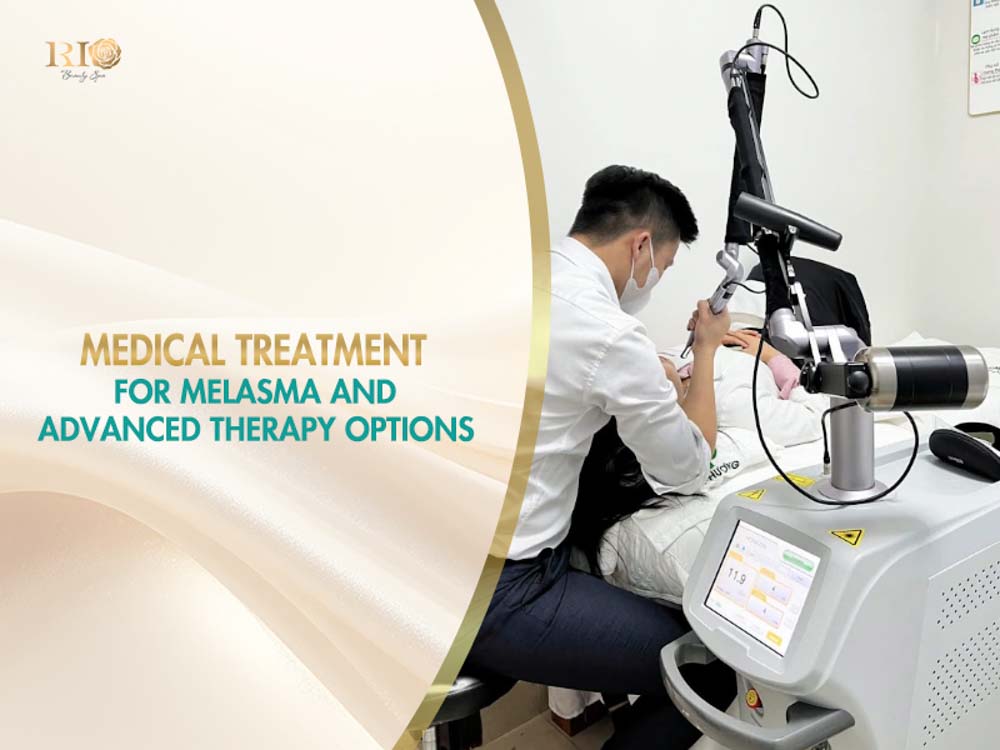
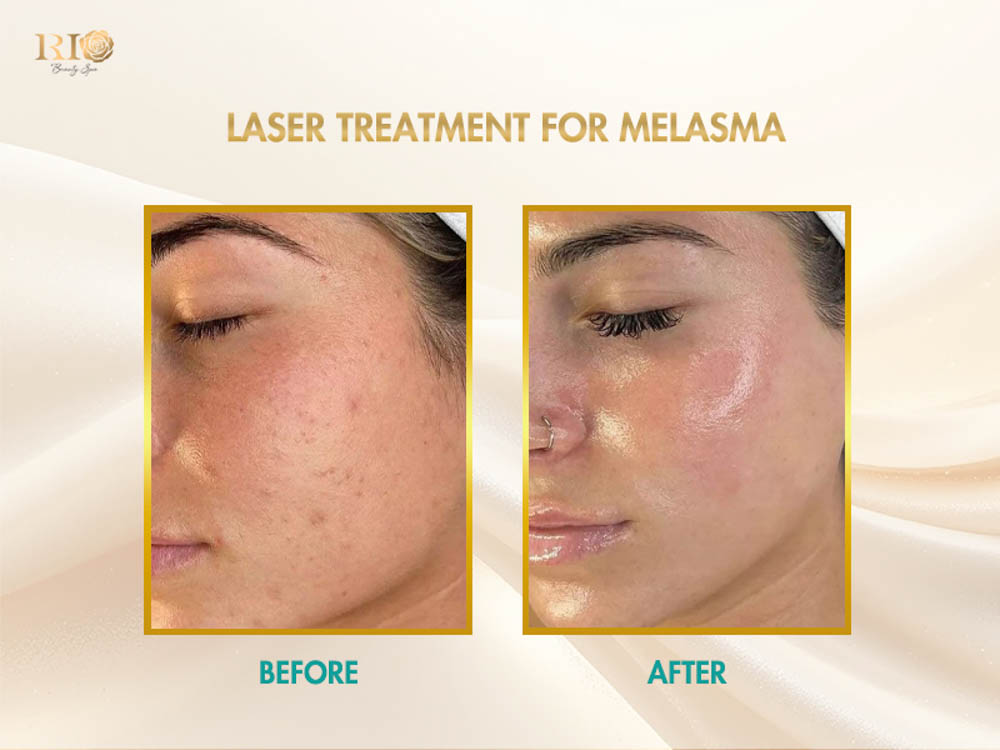
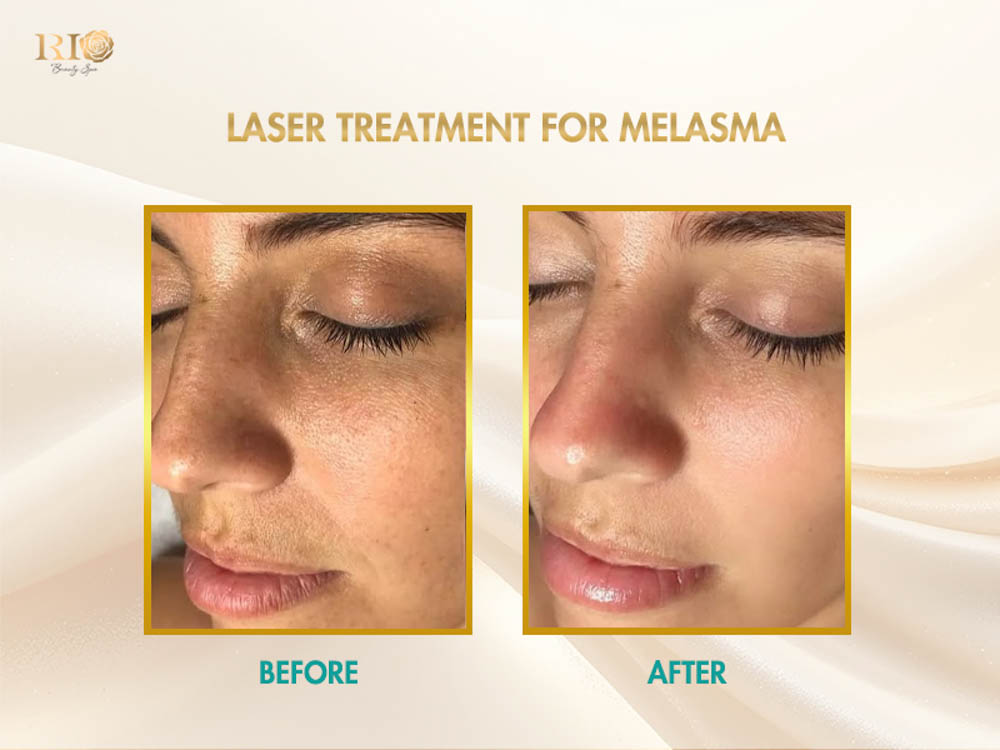
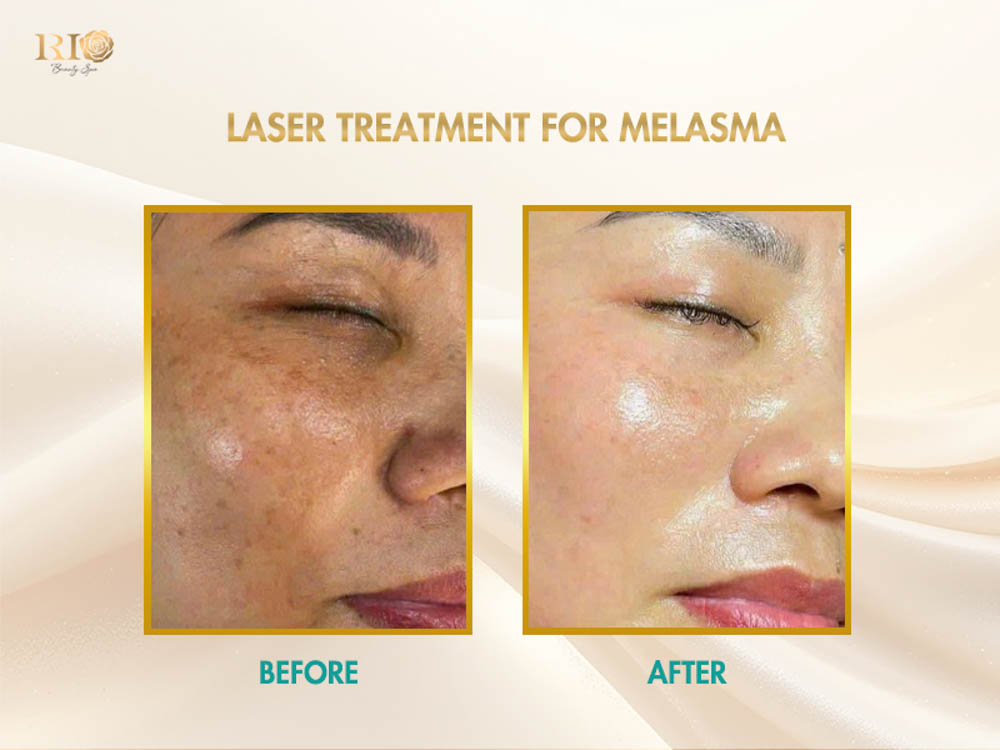
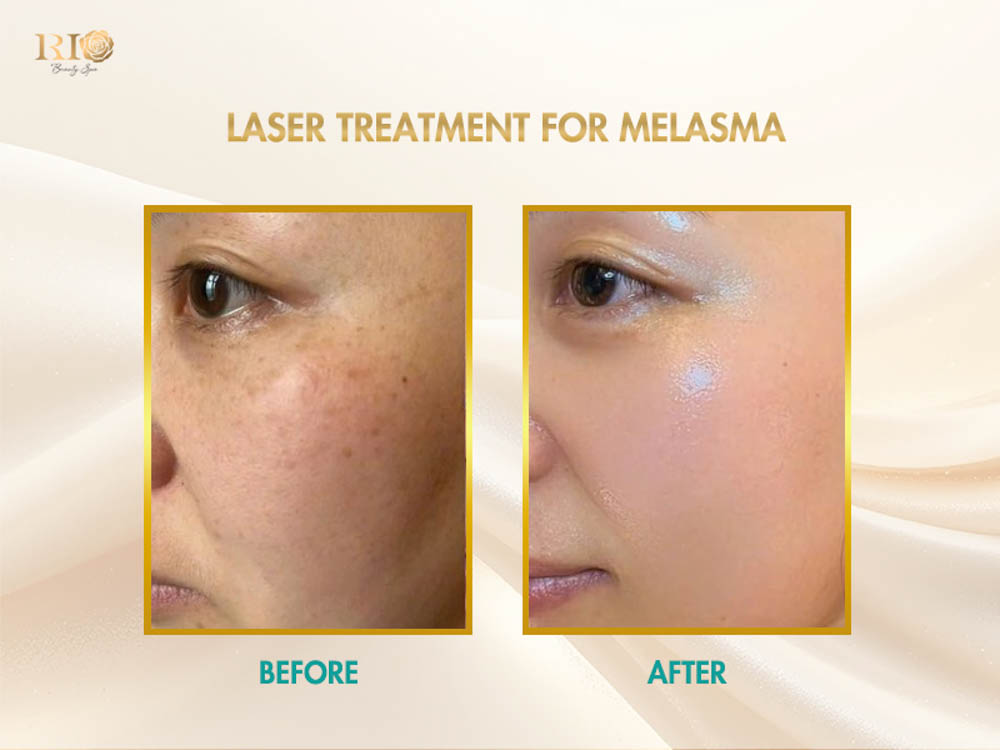
In recent years, laser therapy for melasma has advanced significantly. Low-energy, short-pulse technologies, particularly the pico laser treatment for melasma, are favored because they shatter pigment into microscopic particles without generating excessive heat. High heat can trigger a rebound effect, so modern protocols prioritize precision and thermal control.
Topical ingredients used in medical melasma treatment
A solid home-care routine supports clinical therapies. Dermatologists often prescribe formulations containing tyrosinase inhibitors—ingredients that block the enzyme needed to make melanin. Options like azelaic acid and melasma management work synergistically, alongside kojic acid, tranexamic acid, and vitamin C, to continuously suppress pigment production.
The role of melasma and hydroquinone treatments
Historically considered the gold standard, melasma and hydroquinone go hand-in-hand in medical dermatology. Hydroquinone powerfully inhibits melanin production. However, it must be used cyclically under professional supervision to prevent side effects like ochronosis (a bluish-black discoloration), making guided medical oversight essential.
Combining therapies for long-term melasma improvement
The best medical treatment for melasma is rarely a single modality. A holistic approach combining targeted lasers, tailored chemical peels, and medical-grade skincare ensures the pigment is lifted physically while cellular overproduction is managed biologically.
How much does melasma treatment cost today?
Pricing varies widely based on the technology used, the severity of the condition, and the practitioner’s expertise. While simple chemical peels might be more accessible, advanced multi-session laser protocols represent a higher investment. For an accurate understanding of current pricing structures, you can explore the laser dark spot removal cost to help plan your skincare journey.
Rio Beauty Clinic’s professional melasma treatment solution
At Rio Beauty Clinic, we understand that treating pigmentation is both an art and a strict medical science. Guided by our philosophy of “Preserving eternal youth” (Giữ mãi nét thanh xuân), we deliver bespoke, highly effective protocols designed to restore a flawless, even skin tone with enduring results.
Nova Laser technology – precision targeting of melanin
Our proprietary Nova Laser technology represents a breakthrough in laser melasma treatment. By emitting precise light wavelengths, it targets excessive melanin clusters directly without causing thermal trauma to the surrounding healthy tissue. This minimizes downtime and significantly reduces the risk of rebound hyperpigmentation.
Rio Beauty Clinic supports Mela Zero cosmeceuticals for post-laser melasma treatment
Post-treatment care dictates the longevity of your results. We integrate the powerful Mela Zero line into our healing protocols. This advanced medical-grade formula acts as a potent tyrosinase inhibitor, deeply nourishing the skin post-laser while continuously suppressing new pigment formation.
Personalized in-depth consultation with Master Vuong My
Every face tells a different story. When you sit down with expert Vuong My, you receive a comprehensive facial mapping and lifestyle analysis. Her deep understanding of skin dynamics ensures that your treatment plan is not generic, but uniquely calibrated to your specific skin type and hormonal profile.
Combination therapy – laser and medical-grade skincare
We do not rely on a single tool. Our clinical protocol merges the physical pigment-shattering power of advanced lasers with the biological regulation of medical-grade topicals. This dual-action approach ensures deep dermal clearance while fortifying the epidermal barrier.
Direct melasma treatment with laser expert Tran Manh Thang with over 20 years of experience
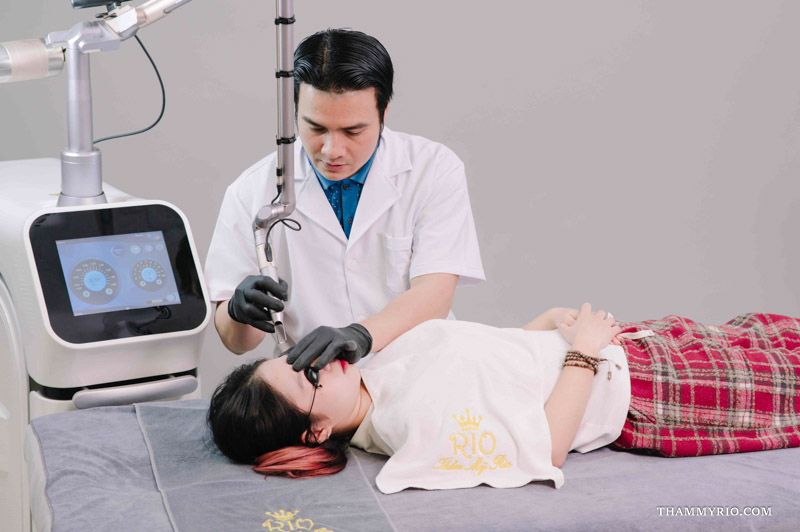
Precision is paramount in laser therapy. Your sessions are guided by expert Tran Manh Thang, an industry veteran with over two decades of laser mastery. His nuanced understanding of wavelength calibration ensures the energy delivered is highly effective yet entirely safe for your specific skin depth.
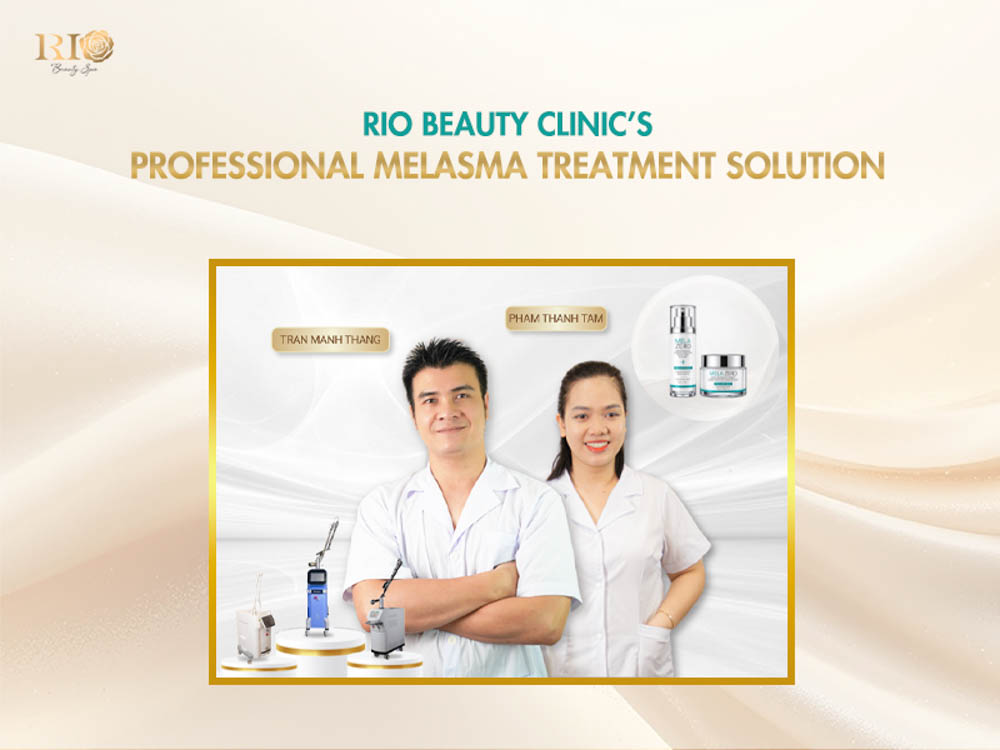
Personalized consultation with CEO Pham Thanh Tam – leading dermatology expert
Visionary leadership drives our clinical excellence. Under the guidance of Grand Master Pham Thanh Tam CEO, every protocol strictly adheres to international medical standards. Her bespoke consultations provide clients with an elite roadmap to lasting beauty and sustained skin health.
Thank you for exploring the science and solutions for skin pigmentation. We hope this comprehensive guide empowers you with the knowledge needed to make informed decisions about your skin health. May your journey lead you to the right experts, restoring not just your radiant complexion, but also your inner confidence.
Secure your private consultation with Rio Beauty Clinic today:
- Hotline and WhatsApp: +84 966 941 999 or +84 963 246 533
- Email: Telesale.riostudio1@gmail.com or thammyrio999@gmail.com
- Address: 205 Thuy Khue, Tay Ho District, Hanoi, Vietnam
- Fanpage: Thẩm mỹ Rio Beauty Clinic
Frequently asked questions about melasma treatment
Navigating the sea of skincare information can be overwhelming. Here are clear, expert answers to your most pressing concerns about medical treatment for melasma.
What is the best sunscreen for melasma, and how often should you apply it?
A broad-spectrum physical sunscreen containing zinc oxide or titanium dioxide, ideally with iron oxides to block visible blue light, is optimal. You should reapply it every two hours, or more frequently if sweating or swimming.
What is the best cream for melasma on the face for daily use?
The ideal daily cream includes a blend of gentle brightening agents like niacinamide, tranexamic acid, or licorice root extract. These ingredients manage pigment production effectively without causing the daily irritation associated with stronger prescription retinoids.
Can azelaic acid help fade melasma and dark patches on the face?
Yes, azelaic acid and melasma are an excellent match. It selectively targets hyperactive melanocytes and reduces inflammation, making it a safe, highly effective option even for sensitive skin and pregnant women.
Are prescription creams more effective than over-the-counter melasma products?
Generally, yes. Prescription formulations often contain stronger, regulated ingredients like hydroquinone or tretinoin, which penetrate deeper and act faster on stubborn pigment than over-the-counter alternatives.
Can a facial for melasma improve skin tone without making pigmentation worse?
A specialized facial for melasma focusing on hydration, gentle exfoliation (like lactic acid), and antioxidant infusion can improve overall radiance safely. However, aggressive extractions or steam treatments should be avoided as heat can trigger flare-ups.
Is a chemical peel safe for melasma-prone skin, and which peel is commonly used?
Yes, when performed by a professional. A superficial chemical peel for melasma, such as a mandelic or low-percentage glycolic peel for melasma, safely exfoliates the top layer of pigmented skin without inducing traumatic inflammation.
Does microneedling work for melasma, and can it cause post-inflammatory hyperpigmentation?
Microneedling for melasma can be highly effective for enhancing the penetration of brightening serums. However, it requires a skilled hand; if the needles go too deep or the technique is too aggressive, it can indeed trigger post-inflammatory hyperpigmentation, especially in darker skin types.
What should you know about pico laser for melasma before starting treatment?
The pico laser for melasma (a medical treatment for melasma) uses ultra-short picosecond pulses to break down pigment mechanically rather than thermally. It is generally safer for complex pigmentation, but multiple sessions and strict sun avoidance are required for optimal results.
Can IPL make melasma worse, and when should it be avoided?
Yes. IPL for melasma (Intense Pulsed Light) generates significant broad-spectrum heat. This thermal energy can stimulate melanocytes in many individuals, often causing the melasma to worsen or rebound darkly after an initial clearing phase.
What skincare products for melasma should be avoided during an active flare-up?
Avoid harsh physical scrubs, high-percentage irritating acids (unless professionally administered), and strongly fragranced products. Anything that causes prolonged redness or stinging can exacerbate the pigment production cycle.
How can you get rid of melasma naturally without irritating the skin?
For a holistic treatment for melasma, focus on internal health (managing stress and diet to balance hormones), using physical mineral sunscreens, and applying gentle botanical brighteners like vitamin C and licorice extract.
Can melasma return after treatment, and how can you prevent recurrence?
Melasma is a chronic condition, meaning it can return if triggers like UV rays or hormonal shifts reoccur. Prevention requires diligent, year-round sun protection, maintenance topicals, and avoiding excessive heat exposure.
What is the best medical treatment for melasma in men and women with darker skin?
For melasma in dark skin, caution is paramount. The safest approaches involve non-hydroquinone brighteners (like tranexamic acid), low-concentration chemical peels, and low-energy Q-switched or pico lasers, carefully managed to avoid triggering post-inflammatory hyperpigmentation.

Có thể bạn quan tâm:
Scalp micropigmentation for scars: a practical guide
Living with scars on your head can affect your self-confidence, especially
Expert scalp micropigmentation after hair transplant
A hair restoration procedure is a significant step toward regaining your
Scalp micropigmentation pricing: 2027 guide
Understanding scalp micropigmentation pricing is a vital step for anyone considering
Flawless stretch mark camouflage tattoo: Best technique
Are you tired of feeling self-conscious about visible lines on your
Beard micropigmentation: Fuller beard without surgery
A dense, well-defined beard has long been a symbol of masculinity
Top skin camouflage tattoo in Hanoi for clear skin
Living with scars, stretch marks, or uneven skin pigmentation can affect