



Dealing with uneven skin tones can be frustrating, especially when light patches appear unexpectedly. A targeted hypopigmentation treatment can help restore your natural complexion and boost your confidence. If you are wondering how to get rid of hypopigmentation, understanding its root causes is the crucial first step toward finding a reliable solution.
What is hypopigmentation and why does it happen?
Before seeking a treatment for hypopigmentation, it is essential to grasp what is happening beneath the surface of your skin. These light patches are not just cosmetic; they signal a shift in your skin’s natural melanin production.
Hypopigmentation definition – when skin loses its natural color
At its core, seeking a hypopigmentation treatment means addressing a decrease in melanin—the pigment responsible for your skin, hair, and eye color. This condition occurs when melanocytes (pigment-producing cells) become damaged, less active, or reduced in number, leaving noticeably lighter patches compared to your baseline skin tone.
Post-inflammatory hypopigmentation – when skin trauma leaves white spots
One of the most common reasons people seek a treatment for hypopigmentation is trauma. After severe acne, burns, deep scrapes, or aggressive dermatological procedures, the skin heals but sometimes fails to regenerate melanin in the scarred area, resulting in post-inflammatory hypopigmentation.
Hypopigmentation from laser treatments – a known complication
Many individuals search for hypopigmentation tattoo removal solutions after experiencing side effects from improper laser therapies. Aggressive laser tattoo removal, hair removal, or skin resurfacing can damage melanocytes, particularly in darker skin tones, leading to stubborn white patches that require specialized care.
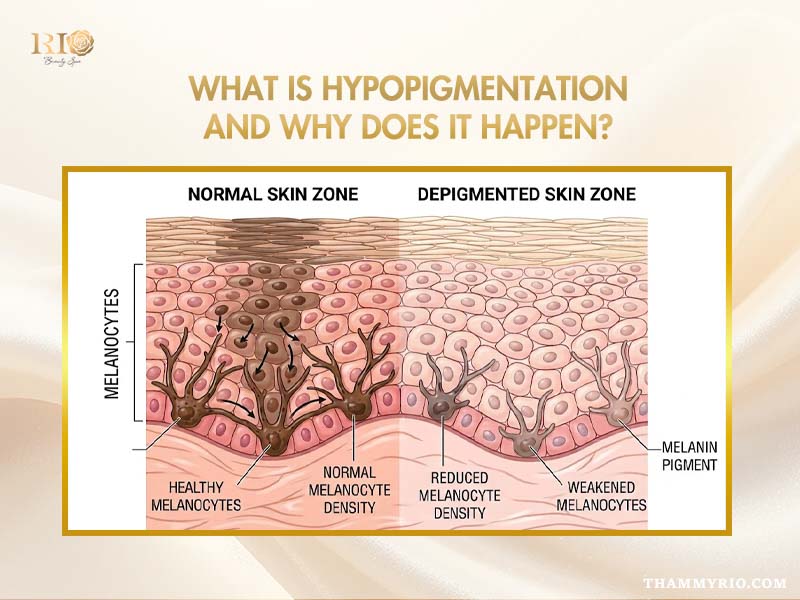
Vitiligo and autoimmune causes – when the body attacks melanocytes
Vitiligo is a specific autoimmune condition where the body’s immune system mistakenly attacks and destroys melanocytes. This leads to well-defined, smooth white patches that can spread over time, requiring a distinct medical hypopigmentation treatment approach.
Fungal infections and other triggers – pityriasis versicolor and beyond
Sometimes, the culprit is environmental. Fungal infections like pityriasis versicolor (caused by Malassezia yeast) can disrupt melanin production, leaving temporary light spots. Other triggers include severe eczema, nutritional deficiencies, or exposure to harsh chemicals in cosmetics.
Distinguishing hypopigmentation from other skin conditions
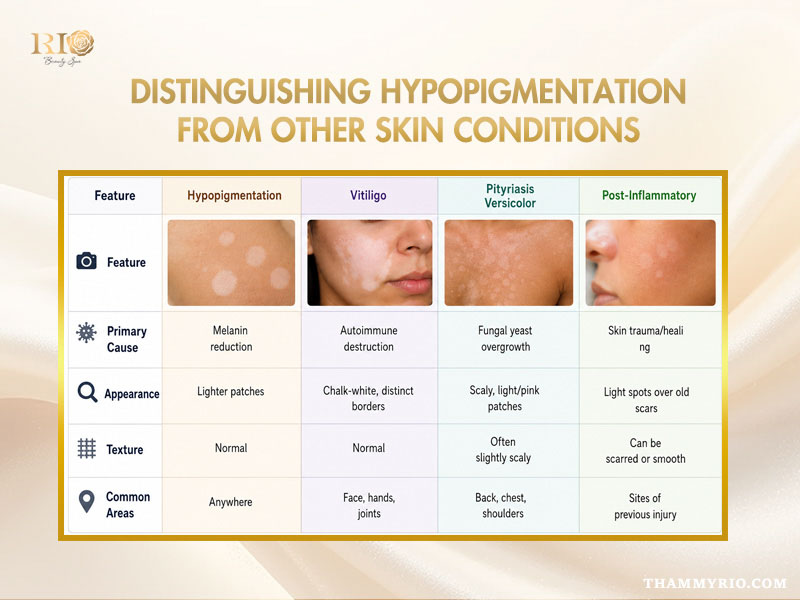
Understanding your specific condition is vital before starting any treatment for hypopigmentation. Here is a clear comparison to help you identify the differences:
| Feature | Hypopigmentation | Vitiligo | Pityriasis Versicolor | Post-Inflammatory |
| Primary Cause | Melanin reduction | Autoimmune destruction | Fungal yeast overgrowth | Skin trauma/healing |
| Appearance | Lighter patches | Chalk-white, distinct borders | Scaly, light/pink patches | Light spots over old scars |
| Texture | Normal | Normal | Often slightly scaly | Can be scarred or smooth |
| Common Areas | Anywhere | Face, hands, joints | Back, chest, shoulders | Sites of previous injury |
When should you see a doctor for hypopigmentation treatment?
You should consult a medical professional or a specialized aesthetic expert if the light patches are spreading rapidly, accompanied by itching or pain, or causing significant emotional distress. Early diagnosis ensures that your treatment for hypopigmentation is safe, targeted, and effectively tailored to your specific skin needs.
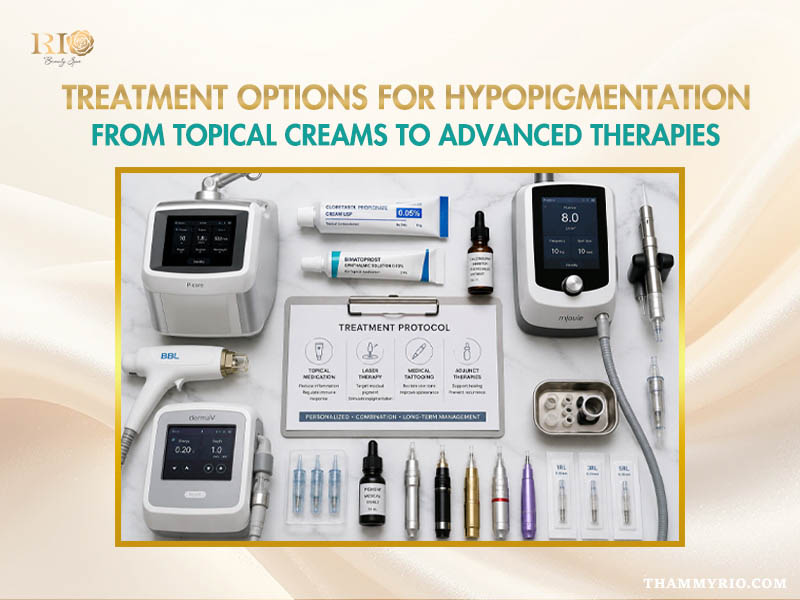
Treatment options for hypopigmentation – from topical creams to advanced therapies
Finding the right hypopigmentation treatment depends heavily on the underlying cause. Modern dermatology and aesthetic medicine offer a wide range of options, from medicated creams to advanced restorative procedures.
Topical corticosteroids – reducing inflammation and restoring pigment
For inflammation-driven pigment loss, doctors often prescribe topical corticosteroids. These creams reduce the immune response and inflammation, giving melanocytes a chance to recover and slowly repigment the affected areas.
Topical calcineurin inhibitors – tacrolimus and pimecrolimus
As an alternative to steroids, calcineurin inhibitors like tacrolimus and pimecrolimus are frequently used in hypopigmentation treatment, particularly for sensitive areas like the face and neck. They help regulate the immune system and encourage repigmentation without thinning the skin.
Topical bimatoprost – stimulating melanocyte migration
Originally used for glaucoma and eyelash growth, bimatoprost is emerging as an innovative treatment for hypopigmentation. It works by stimulating the migration of melanocytes to the white patches, gradually helping to restore natural color.
Piperine and natural extracts – innovative topical solutions
Research into natural compounds has highlighted piperine (derived from black pepper) as a promising topical agent. When combined with light therapy, it can stimulate melanocyte proliferation, offering a gentler approach to evening out skin tone.
Creams for blending – hydroquinone and camouflage options
In some cases, a hypopigmentation treatment involves fading the surrounding darker skin to make the light patches less noticeable. While hydroquinone is typically used for hyperpigmentation, dermatologists sometimes use it to blend and even out the overall complexion.
Using medical tattoo camouflage techniques to cover hypopigmentation
When traditional creams fail, especially for permanent pigment loss from scars or lasers, medical skin tattooing offers a brilliant solution. By matching organic pigments to your natural skin tone, skilled artists can effectively conceal the white patches, providing immediate and long-lasting visual relief.
How much does hypopigmentation treatment cost today?
The cost of treating hypopigmentation varies widely based on the chosen method. Prescription creams may cost between $50 and $150 per month, while advanced laser therapies or medical camouflage tattooing can range from $300 to over $1,500 per session, depending on the size of the area and the expertise of the clinic. For context on aesthetic pricing, you might also explore the laser dark spot removal cost to understand standard industry investments.
Advanced solutions for hypopigmentation at Rio Beauty Clinic
If you are struggling with stubborn white patches and wondering how to get rid of hypopigmentation safely, Rio Beauty Clinic offers world-class, highly specialized aesthetic solutions.
Master artists’ approach to scar camouflage and skin-tone pigmentation tattooing
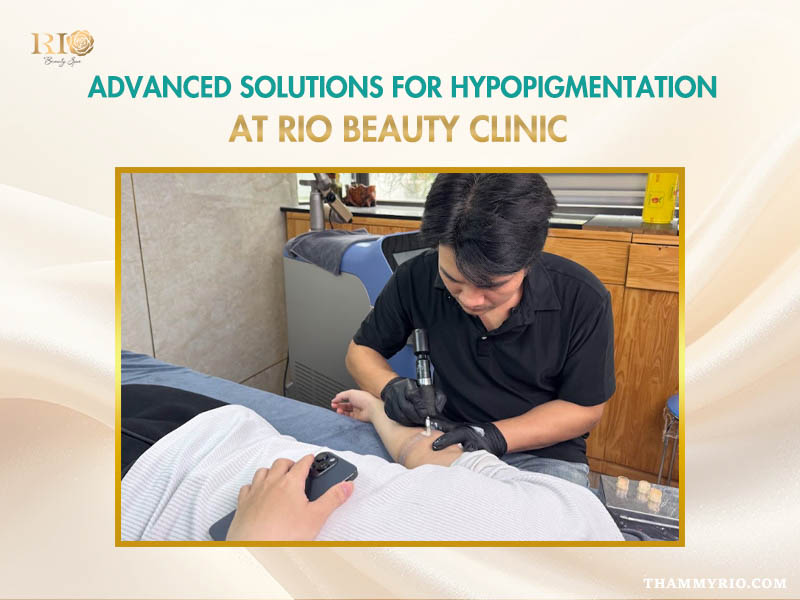
For clients dealing with post-inflammatory loss or seeking hypopigmentation tattoo removal correction, our signature skin tone tattoo is the premier choice. This highly effective, safe, and fast method has been successfully deployed by Rio Beauty Clinic for years, helping tens of thousands of clients regain their confidence. Led by Grand Master Pham Thanh Tam (CEO) and Expert Tran Manh Thang, our artists meticulously custom-blend organic pigments to match your exact melanin levels, rendering white patches virtually invisible.
Uncompromising post-care with Tattoo Pill healing cream
A premium procedure requires premium aftercare. To ensure optimal pigment retention and rapid skin recovery, we mandate the use of the German-imported Tattoo Pill aftercare cream. This medical-grade formula prevents scabbing, deeply nourishes the treated area, and secures a flawless, long-lasting color match.
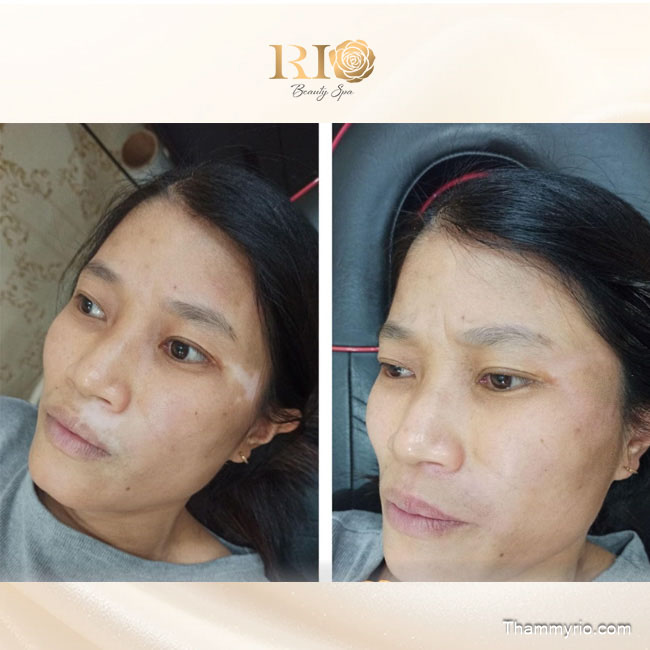
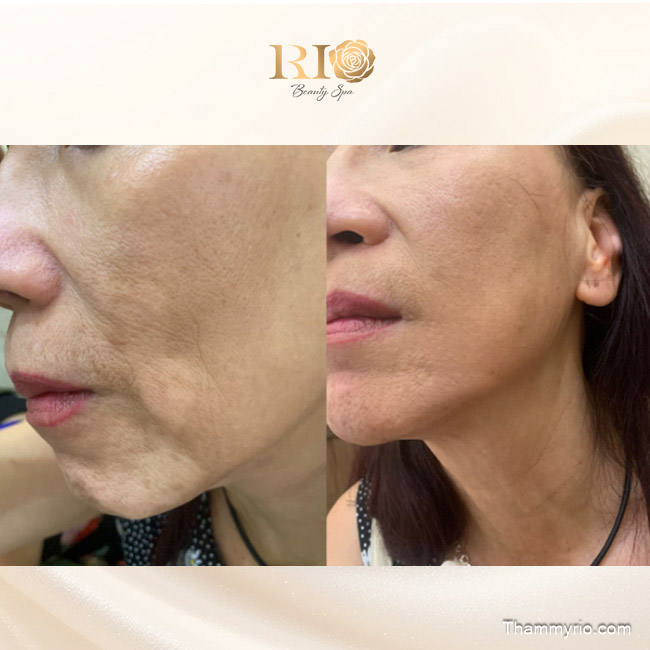
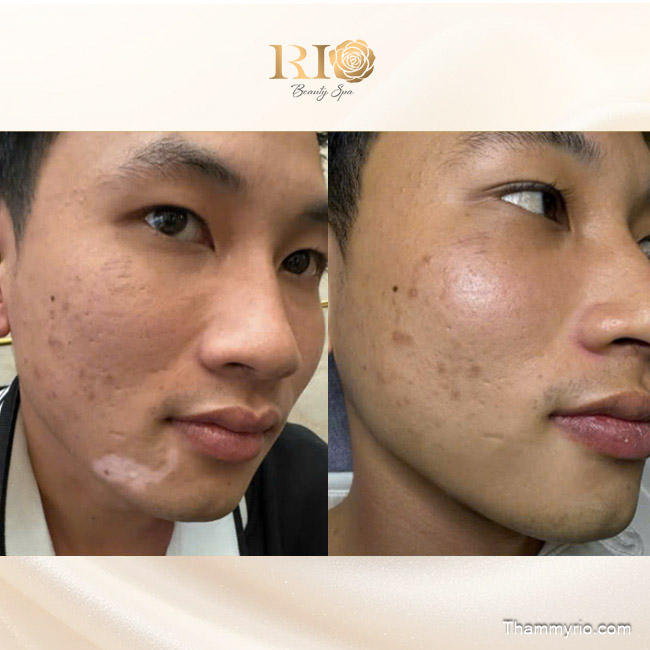
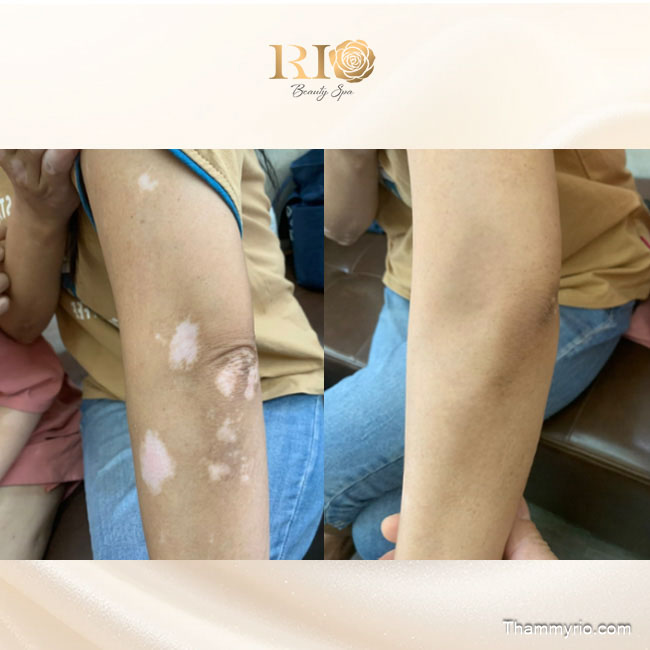
Contact Rio Beauty Clinic to book your hypopigmentation treatment consultation today:
- Website: https://thammyrio.com/
- Hotline and WhatsApp: +84 966 941 999 or +84 963 246 533
- Fanpage: Thẩm mỹ Rio Beauty Clinic
- Address: 205 Thụy Khuê, Tây Hồ, Hà Nội
- Email: Telesale.riostudio1@gmail.com or thammyrio999@gmail.com
Frequently asked questions about hypopigmentation treatment
When exploring a treatment for hypopigmentation, having the right information can ease your worries. Here are answers to some of the most common concerns.
Can hypopigmentation be completely reversed?
While many treatments are highly effective, results depend on the cause. Fungal or post-inflammatory hypopigmentation often repigments well. For permanent damage, medical camouflage offers an exceptional visual correction, even if the melanocytes themselves cannot be restored.
How long does hypopigmentation treatment usually take?
Patience is key. Topical treatments can take 3 to 6 months to show noticeable results. In contrast, medical camouflage tattooing provides immediate visual improvement, with full healing taking about 4 to 6 weeks.
Is treatment for hypopigmentation suitable for every skin type?
Yes, a treatment for hypopigmentation can be tailored to any skin type. However, darker skin tones require highly specialized care to avoid triggering hyperpigmentation or further pigment loss, making an expert consultation crucial.
Can hypopigmentation after tattoo removal improve over time?
Hypopigmentation tattoo removal complications can sometimes improve naturally over several months to a year. If the melanocytes are permanently destroyed, medical skin-tone tattooing is the safest and most effective way to restore the area’s natural appearance.
At the end of your aesthetic journey, we hope you find the right knowledge, a trusted clinic, and a highly skilled team to help you embrace your true beauty and maintain your youthful glow.


Có thể bạn quan tâm:
Scalp micropigmentation for scars: a practical guide
Living with scars on your head can affect your self-confidence, especially
Expert scalp micropigmentation after hair transplant
A hair restoration procedure is a significant step toward regaining your
Scalp micropigmentation pricing: 2027 guide
Understanding scalp micropigmentation pricing is a vital step for anyone considering
Flawless stretch mark camouflage tattoo: Best technique
Are you tired of feeling self-conscious about visible lines on your
Beard micropigmentation: Fuller beard without surgery
A dense, well-defined beard has long been a symbol of masculinity
Top skin camouflage tattoo in Hanoi for clear skin
Living with scars, stretch marks, or uneven skin pigmentation can affect