


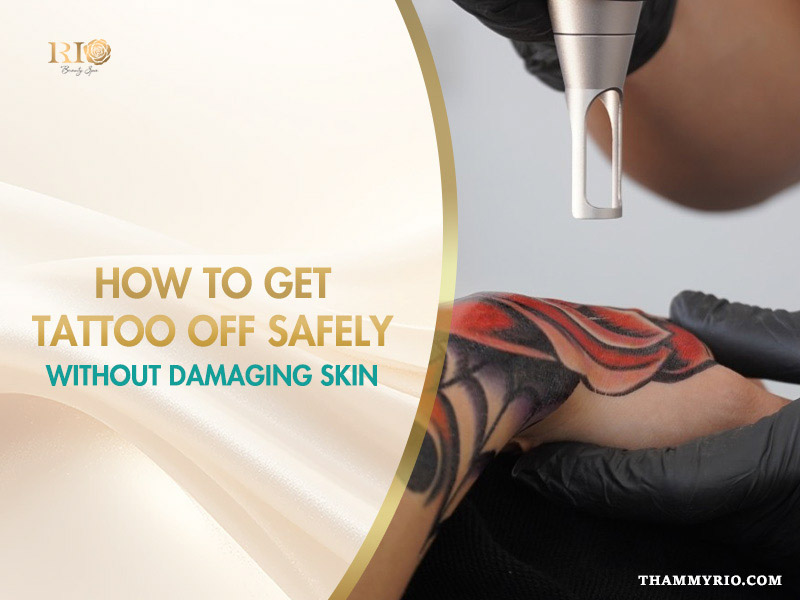
Regretting past body art decisions happens frequently to many people around the world. Discovering how to get tattoo off safely without risking severe skin damage requires accurate knowledge and professional guidance. You can confidently navigate this journey with proper insights from experienced aesthetics professionals. Let us dive into the science-backed approaches for clearing unwanted ink from your body.
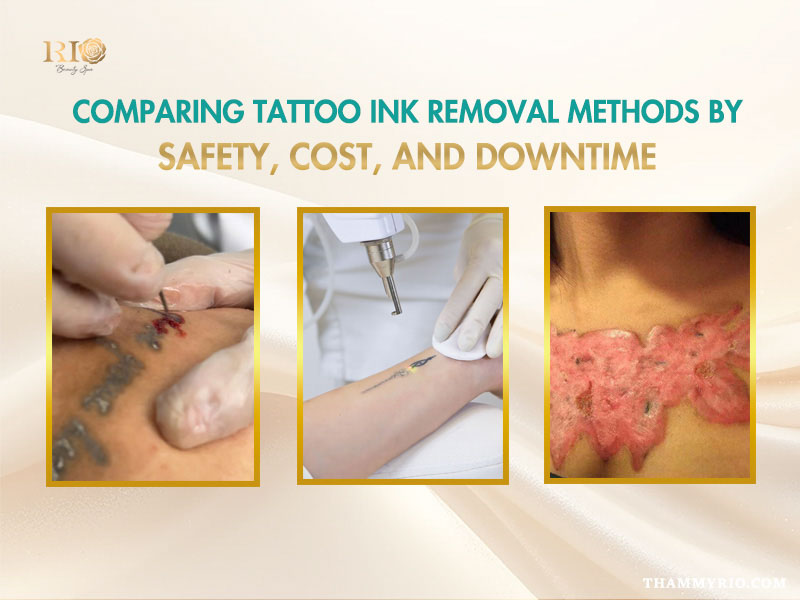
Comparing tattoo ink removal methods by safety, cost, and downtime
Understanding how to get tattoo off effectively means evaluating every available option carefully based on clinical evidence.
Laser tattoo removal procedure
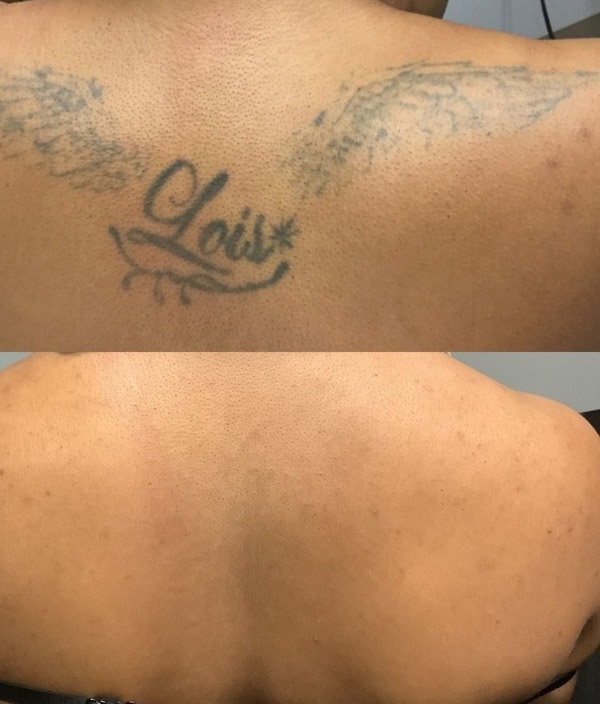
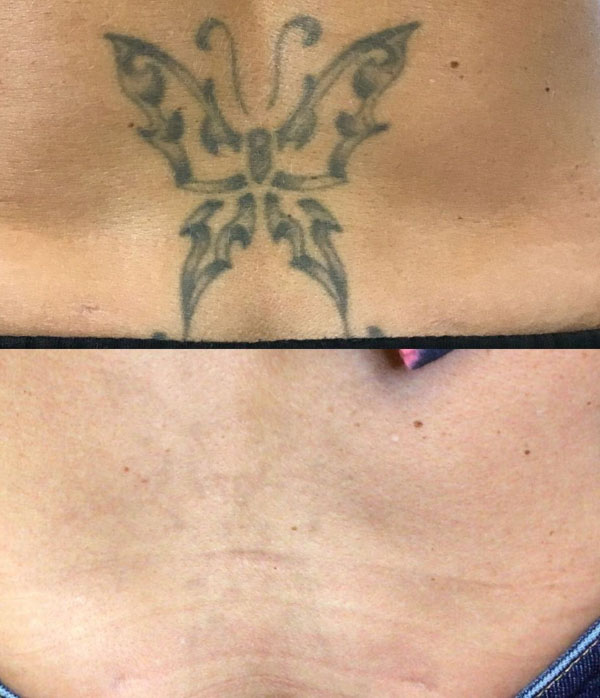
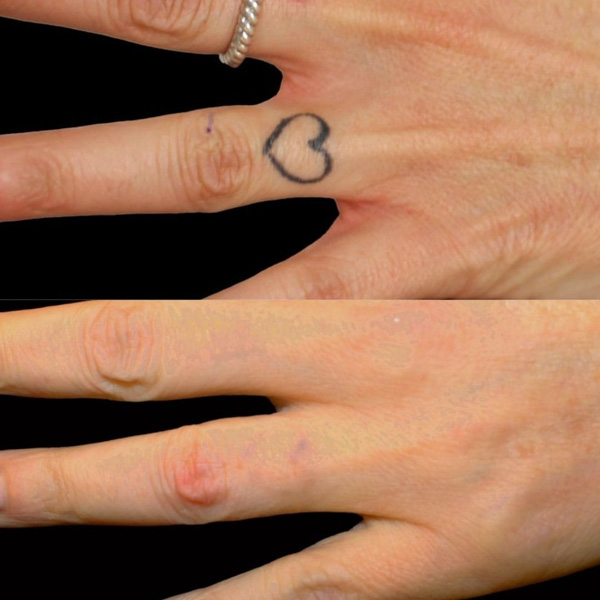
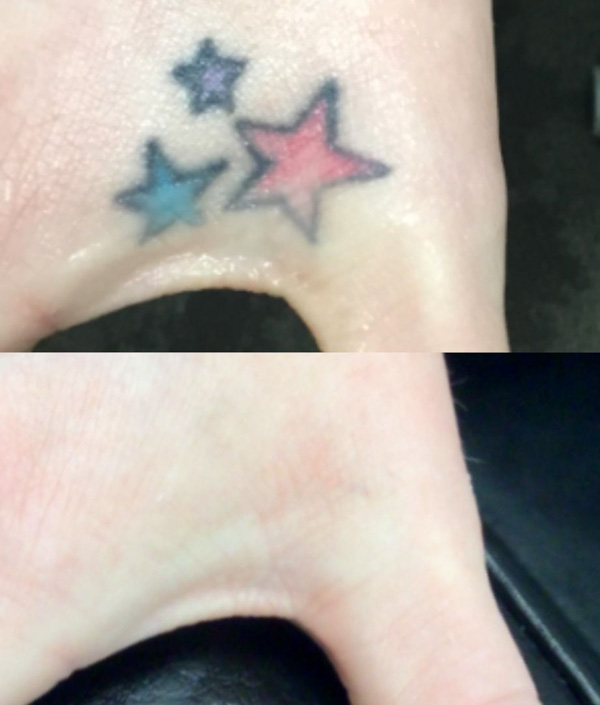
The laser tattoo removal procedure targets pigment particles using highly concentrated light beams. This process breaks down the color trapped deep within your dermal layer. Your immune system then naturally flushes out these shattered particles over several weeks. Clinical studies from renowned dermatological institutes confirm this approach minimizes surrounding tissue damage compared to older techniques. You will typically need multiple sessions spaced weeks apart for significant fading.
During the process, specialists use specific wavelengths of light to target different colors. Darker pigments absorb the light energy more readily than lighter colors. The intense energy pulse causes the ink to heat up and shatter into microscopic fragments. Macrophages, your body’s scavenger cells, then consume these tiny fragments. They carry the waste away through your lymphatic system for natural excretion.
Clients often wonder about the sensation during the session. Many compare the feeling to a rubber band snapping against the skin. You can ease this discomfort using a specialized numbing cream for laser tattoo removal applied before the session. Proper aftercare plays a vital role in healing and preventing unwanted side effects. Finding a reputable facility for laser tattoo removal provides peace of mind throughout your journey.
How to get tattoo off with dermabrasion, chemical peel, and surgical excision
Exploring how to get tattoo off sometimes leads people to mechanical or chemical techniques. Dermabrasion involves literally sanding away the top layers of skin to reach the ink. Chemical peels use strong acids to cause controlled skin peeling. Surgical excision physically cuts out the inked tissue and stitches the surrounding skin back together. These methods carry higher risks of severe scarring compared to light-based technologies.
Dermabrasion utilizes a rapidly rotating device to aggressively exfoliate the epidermis. This traumatic process forces the skin to regenerate, hopefully pushing the pigment out during healing. Chemical peels rely on substances like trichloroacetic acid to burn through the skin layers. Both methods lack precision and often result in uneven pigment removal. You face a prolonged recovery period with significant raw, weeping skin.
Surgical excision offers an immediate result by completely removing the tattooed skin block. A specialist carefully excises the tissue and closes the wound with sutures. This method leaves a permanent linear scar in place of the original design. This approach suits only very small, simple designs located in areas with loose skin. You must weigh the benefit of instant removal against the certainty of a permanent scar.
Tattoo removal ways using creams, scrubs, and DIY methods
Many internet forums suggest cheap tattoo removal ways like applying acidic pastes or specialized creams. These topical solutions only affect the outermost epidermal layer. Ink resides much deeper in the dermis, rendering superficial scrubs highly ineffective. Trying these unverified DIY tactics often results in chemical burns or permanent hyperpigmentation. We strongly advise against relying on these unregulated topical products.
Commercial fading creams often contain strong bleaching agents like hydroquinone or harsh acids. These chemicals attempt to bleach the skin above the tattoo rather than removing the ink itself. This creates a faded, patchy appearance while leaving the core pigment intact. Friction-based scrubs using salt or sand severely abrade the protective skin barrier. This introduces dangerous bacteria into the deep tissue.
The human body encapsulates tattoo pigment deep within the dermal layer specifically to protect it from surface shedding. Topical applications cannot penetrate the necessary depth without destroying the skin completely. You waste valuable time and money pursuing these ineffective myths. Seeking professional advice ensures you avoid causing irreparable harm to your body. True pigment extraction requires technologies capable of bypassing the epidermis safely.
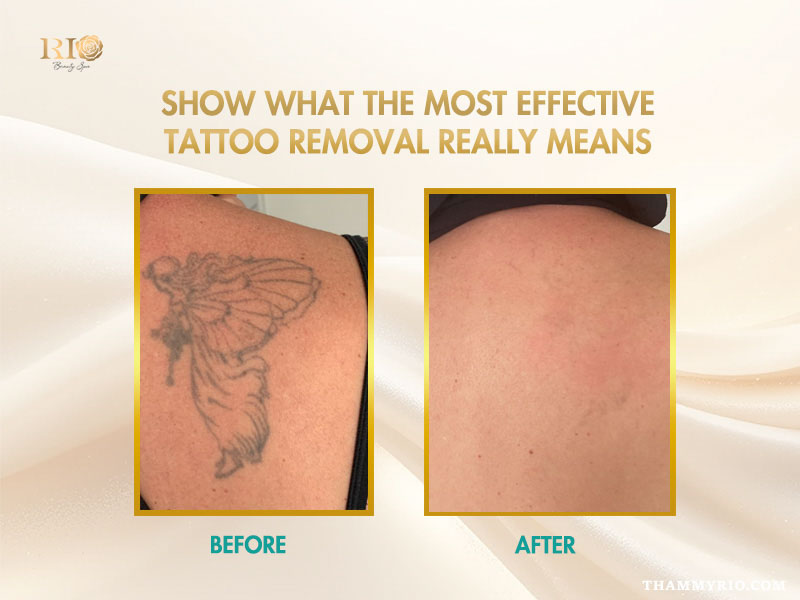
Show what the most effective tattoo removal really means
Figuring out how to get tattoo off efficiently requires looking at proven clinical results and advanced technology.
Why laser is the leading method for tattoo ink removal
Advanced light technology remains the gold standard for tattoo ink removal globally. Specific wavelengths target different pigment colors precisely without burning the surface skin. Q-switched and picosecond devices deliver energy in extremely short pulses. This rapid energy delivery shatters ink into microscopic dust for your body to process. Clients experience the most effective tattoo removal when using these specialized devices.
The sheer speed of picosecond technology prevents heat from transferring to adjacent healthy tissue. This acoustic shockwave effect breaks the pigment into even smaller particles than older nanosecond lasers. Smaller particles allow your immune system to clear the ink much faster. This translates to fewer overall sessions and superior clearance of stubborn colors. Scientific consensus points to light-based therapy as the optimal solution.
People frequently ask does tattoo removal hurt and worry about the aftermath. Advanced cooling systems blow freezing air onto the skin during the procedure to maximize comfort. Post-treatment redness and swelling are normal physiological responses as the body begins the healing cascade. To address concerns about whether can tattoo removal leave scars, modern protocols emphasize careful energy calibration. Proper technique minimizes thermal damage, greatly reducing the risk of textual changes.
When surgical excision is the right option in how to get tattoo off
Sometimes, specific situations call for alternative ways to remove tattoos. Very small, linear tattoos might qualify for direct surgical excision. This physically removes the pigment immediately in one single session. However, you must accept a linear scar in place of the original art. Only a qualified aesthetic expert should perform this procedure to minimize aesthetic impact.
Excision proves useful for individuals highly allergic to their tattoo ink. Shattering allergic pigment with a laser could potentially trigger a systemic allergic reaction. Cutting the offending pigment out entirely prevents this immune system overreaction. The specialist carefully assesses the skin’s laxity to ensure they can close the wound properly. Tight skin areas like ankles or wrists pose significant challenges for this method.
The recovery from excision mirrors standard minor surgery recovery protocols. You must keep the sutures clean and dry to prevent severe infections. Activity restrictions apply to prevent stretching the fresh scar tissue. While it provides an immediate solution, the trade-off involves permanent structural changes to the skin. Therefore, experts reserve this method strictly for highly specific, medically necessary cases.
Why creams are ineffective among ways to remove tattoos from deeper dermis
Among various ways to remove tattoos, topical creams consistently fail to deliver promised results. The active ingredients cannot penetrate the epidermal-dermal junction where pigment cells live. Prolonged use of these acidic compounds often leads to severe skin irritation. You waste both time and money on solutions that cannot physically reach the target area. Relying on scientifically proven technologies offers a much safer path.
The skin acts as a formidable biological barrier designed to keep foreign substances out. Creams designed for pigment fading simply sit on the surface, causing superficial peeling. The macrophages holding the ink safely reside in the dermis, completely unaffected by surface exfoliation. Continued use of these creams thins the epidermis, making the skin highly sensitive to sunlight. This sun sensitivity leads to unwanted dark spots and uneven skin tones.
If you consider getting a new tattoo after tattoo removal, maintaining skin integrity is paramount. Damaged, chemically burned skin cannot hold new ink properly. Professional artists often refuse to work on skin compromised by harsh DIY fading attempts. Trusting established scientific methods preserves your skin canvas for future artistic endeavors. Always consult with certified professionals before applying unknown chemical compounds to your body.
Selecting the right clinic for how to get tattoo off safely and effectively
Your final step in learning how to get tattoo off involves choosing the right aesthetic partner for your journey.
Finding a trusted facility plays a critical role in your skin recovery journey. Rio Beauty Clinic stands as a premier destination with over two decades of aesthetic experience since 2003. Our Master Artists possess deep expertise and international awards in cosmetic pigment procedures, including cosmetic tattoo services, lip blushing, and microblading blading. We operate with world-class, imported equipment holding CE, TUV, FDA, and ISO 13485 certifications. Our core philosophy revolves around client-centric care, offering dedicated service and long-term warranties. Our slogan, “Preserve eternal youth,” reflects our profound commitment to your aesthetic goals.
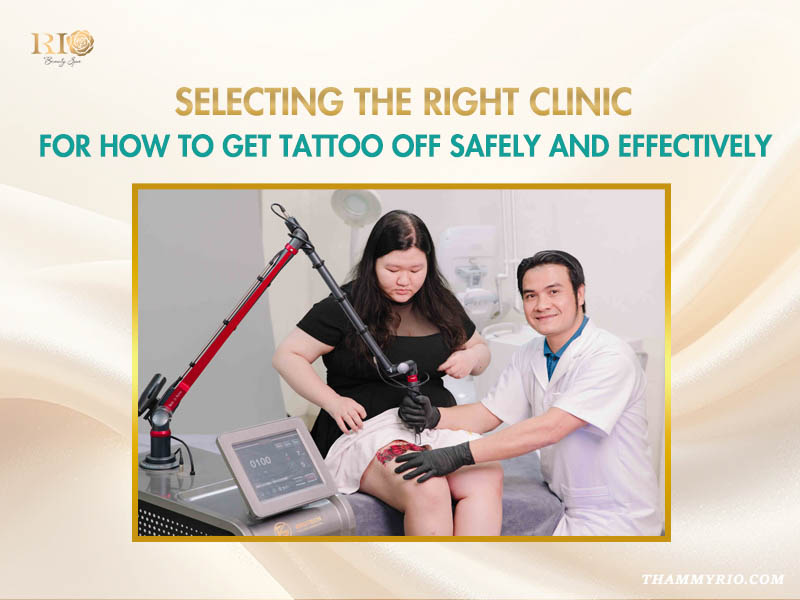
We utilize exclusive, cutting-edge technologies to break down stubborn pigments effectively. Our Rio Alpha Erase AI system analyzes your specific ink density for customized session planning. We also employ the Spectra ND YAG Laser for powerful, precise targeting of dark pigments across various skin types. For multi-colored or stubborn art, our PicoTech Advance Laser shatters ink with unparalleled picosecond speed. These advanced tools operate strictly under the careful guidance of industry leaders.
You receive attentive care from highly credentialed professionals at our advanced facility. Grand Master Pham Thanh Tam, our CEO, brings unparalleled insight into complex pigment behavior. Expert Tran Manh Thang also provides top-tier guidance for intricate aesthetic cases, ensuring you know exactly how to get rid of lip tattoo safely. They lead a dedicated team focused on restoring your skin safely and beautifully. Reach out to our dedicated support staff to begin your safe aesthetic transformation today. Always ask, laser tattoo removal is it safe? Yes, when performed by certified experts at Rio.
Hotline and Whats App: +84 966 941 999 or +84 963 246 533
Email: Telesale.riostudio1@gmail.com
Instagram: https://www.instagram.com/tham.my.rio.beauty.clinic
Fanpage: Fanpage: Rio Beauty Clinic



Có thể bạn quan tâm:
Laser anal whitening: safe, effective & long-lasting results
Darkening around the anal and perianal area can develop gradually, and
Laser anal whitening: safe, effective & long-lasting results
Dark pigmentation in the perianal area is a common physiological response
Rio Pink Secret: At-home intimate brightening solution
Hyperpigmentation in intimate areas is a natural physiological response that many
Scar camouflage tattoo
Wearing tiger stripes sounds cool until those marks appear uninvited on
Whiten nipple: Effective tips and treatments
Many individuals seek to whiten nipple and areola areas to restore
Discover safe laser intimate skin bleaching solutions
Intimacy and body confidence go hand in hand, and for many,