


Experiencing a sudden or gradual loss of natural skin color can be a profoundly distressing experience, creating a stark visual contrast that often impacts a person’s self-esteem and daily social interactions. While a significant portion of the aesthetic industry focuses heavily on removing a face black spot or lightening a stubborn age spot, the challenge of hypopigmentation—where the skin loses its melanin entirely—requires an entirely different, highly specialized medical and aesthetic approach. When patches of skin turn completely white, finding a safe and effective depigmentation treatment becomes the primary focus for achieving visual harmony.
Unlike standard cosmetic procedures, a professional depigmentation treatment is not a simple, one-size-fits-all aesthetic fix. It demands a rigorous understanding of dermal science, an accurate assessment of the immune system’s interaction with melanocytes, and the precise application of advanced technologies. Depending on the severity of the condition, a customized depigmentation treatment can involve either fading the remaining pigmented skin to match the lighter areas or using sophisticated camouflage techniques to restore color to the white patches. This comprehensive guide will explore the mechanisms behind color loss, evaluate your clinical options, and introduce expert-led protocols designed to safely execute a depigmentation treatment and restore your confidence.
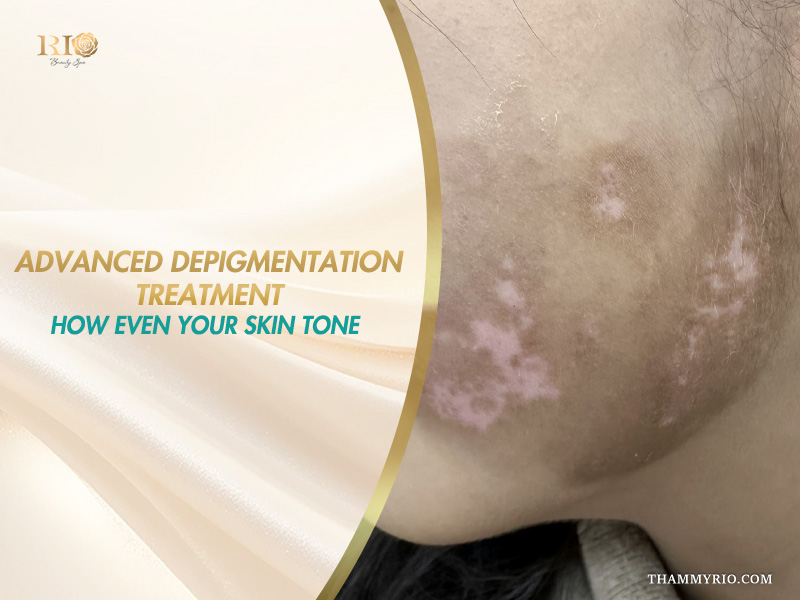
What is depigmentation treatment and who needs it?
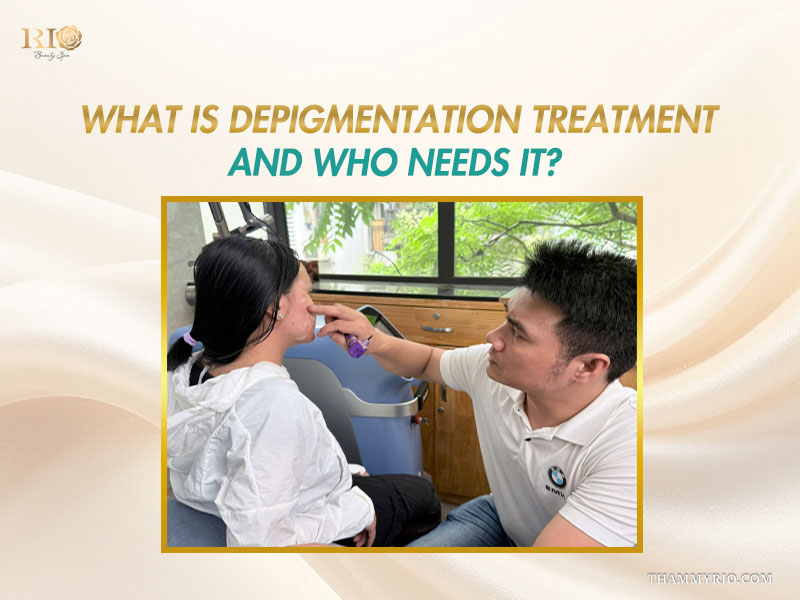
Navigating the world of aesthetic dermatology requires clarity, especially when discussing a complex depigmentation treatment. At its core, a depigmentation treatment encompasses a variety of medical and aesthetic procedures aimed at unifying the skin tone when a patient suffers from severe pigment loss or irregularities.
Understanding depigmentation: when the skin loses its color
To understand how a depigmentation treatment works, we must first look at the biological source of skin color. Your skin tone is dictated by melanin, which is produced by specialized cells known as melanocytes. In healthy, well-balanced skin, melanin is typically distributed evenly across the skin, resulting in a more uniform and even complexion. However, in cases of depigmentation, these melanocytes are either destroyed, severely damaged, or stop functioning entirely.
When the skin loses its color, it leaves behind completely white, stark patches that are highly sensitive to ultraviolet (UV) radiation. This is the exact opposite of hyperpigmentation, where excess melanin forms dark patches. Therefore, a depigmentation treatment focuses on creating aesthetic equilibrium. In some severe cases, depigmentation therapy involves carefully removing the pigment from the remaining normal skin to create a uniform, lighter appearance. In other localized cases, a treatment utilizes advanced aesthetic camouflage to re-introduce matching color tones back into the white patches.
Who is a person for depigmentation therapy?
Identifying the right candidate for a depigmentation treatment is a critical medical and aesthetic decision. Generally, an extensive depigmentation treatment (removing remaining pigment) is reserved for individuals with widespread vitiligo that covers more than 50% of their body surface area. For these patients, attempting to restore color to the massive white patches is often futile, making universal depigmentation therapy the most logical path to an even skin tone.
Conversely, a localized depigmentation treatment—such as skin-tone tattooing or targeted laser blending—is ideal for individuals with stable, localized pigment loss who wish to camouflage specific white patches on the face, hands, or body without altering their overall natural skin color. Selecting the right depigmentation treatment requires a thorough consultation with an expert to manage expectations safely.
Causes and types of depigmentation conditions
Before customizing a depigmentation treatment, a thorough diagnostic assessment must determine the underlying cause of the pigment loss. The etiology of the condition directly dictates which depigmentation treatment will be most effective and safe.
Vitiligo is one of the most common disorders characterized by the loss of skin pigmentation
Vitiligo is the most prominent condition that drives patients to seek a depigmentation treatment. It is an autoimmune disorder where the body’s immune system mistakenly attacks and destroys its own melanocytes. Vitiligo can present in various forms, including focal (localized to one area), segmental (appearing on one side of the body), or universal (widespread loss of pigment). Because vitiligo can be unpredictable, any treatment must be carefully timed, often requiring the condition to be stable for a certain period before interventions like skin-tone tattooing are applied.
Other causes: post-inflammatory hypopigmentation, chemical exposure, and genetics
While vitiligo is common, the need for a depigmentation treatment can arise from other factors. Post-inflammatory hypopigmentation can occur after a severe skin injury, a deep burn, or improper use of aggressive lasers, leaving a white scar devoid of melanin. Prolonged exposure to certain industrial chemicals can also induce toxic leukoderma, causing the skin to lose color. Furthermore, genetic conditions like albinism or piebaldism result in congenital pigment absence. Differentiating these causes from vascular anomalies, such as facial red spots, is essential for a specialist to design the correct treatment protocol.
How does depigmentation therapy work to reduce or eliminate skin pigmentation?
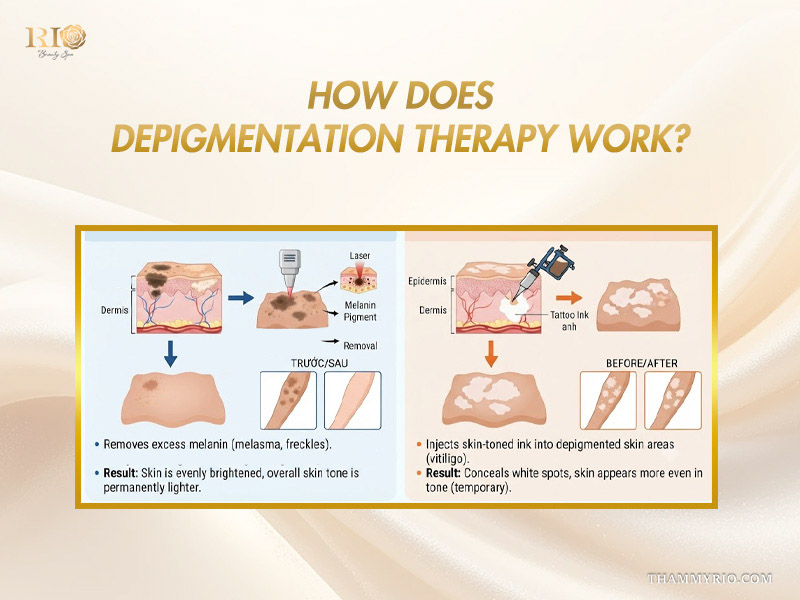
Depending on the ultimate goal of the patient, a depigmentation treatment can take several forms, utilizing different chemical, physical, and aesthetic mechanisms to achieve visual harmony.
Topical agents and how they work to reduce skin pigmentation
For those undergoing a universal depigmentation treatment to lighten remaining normal skin, topical agents like Monobenzone are the standard medical route. These powerful chemical compounds work by permanently destroying the remaining functional melanocytes. This form of depigmentation therapy requires immense commitment, as the depigmentation treatment process takes many months to complete and the results are irreversible. Patients utilizing this topical depigmentation treatment must practice lifelong, strict sun protection, as their skin will no longer have any natural melanin defense against UV rays.
Advanced technologies in depigmentation therapy
In the modern aesthetic landscape, a treatment often incorporates advanced technological devices. Targeted phototherapy (like Excimer lasers) can sometimes stimulate dormant melanocytes to repigment small white patches. Alternatively, cryotherapy or specific Q-switched lasers can be carefully utilized by experts to blend the borders of depigmented patches, making the contrast less noticeable. Selecting the right technology for a depigmentation treatment requires profound expertise to avoid triggering further immune responses.
Skin-tone tattooing technology for depigmentation correction
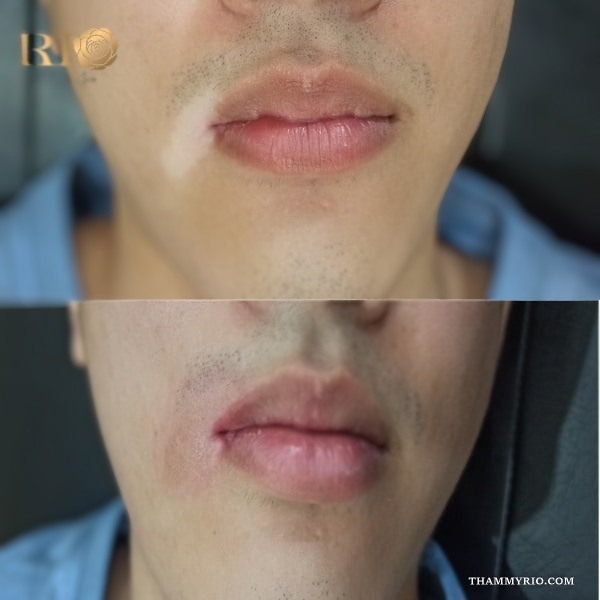
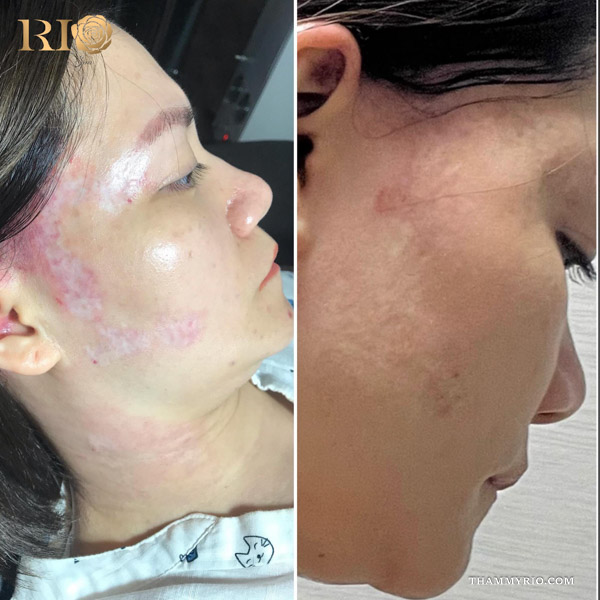
For many clients, a highly effective and immediate depigmentation treatment is skin-tone tattooing, also known as skin camouflage or paramedical tattooing. Instead of removing pigment from healthy skin, this specific depigmentation treatment focuses on carefully implanting specialized, skin-colored pigments directly into the white patches to match the surrounding healthy tissue perfectly.
How skin-tone tattooing helps improve uneven skin tone
Skin-tone tattooing is a revolutionary treatment that provides immediate visual relief for stable pigment loss. By utilizing precise, micro-needling techniques, an expert technician assesses the client’s exact skin undertones and overtones. They then blend a custom pigment formulation and implant it into the dermal layer of the white patch. The goal of this depigmentation treatment is to create an optical illusion, completely concealing the hypopigmented area and restoring a seamless, natural-looking skin tone. This depigmentation treatment effectively gives patients their confidence back without the need for systemic, harsh chemicals.
Rio Beauty Clinic’s advanced skin-tone tattooing technology
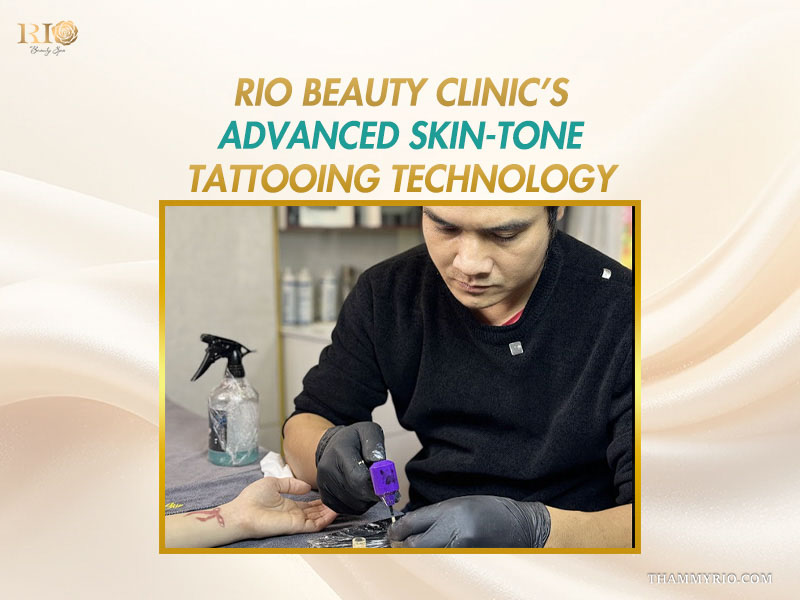
When seeking a flawless and safe depigmentation treatment, selecting a clinic with a foundation in advanced aesthetic mastery is paramount. Thẩm Mỹ Rio Beauty Clinic has established itself as a premier destination for complex skin corrections, offering a highly sophisticated approach to depigmentation treatment that prioritizes natural results and strict safety protocols.
Rio Beauty’s experience in creating more even-looking skin tone
Executing a successful skin-tone tattooing depigmentation treatment requires much more than standard cosmetic tattooing skills; it demands a profound, artistic understanding of color theory and human skin physiology. At Rio, every depigmentation treatment is guided by the visionary leadership of Master Pham Thanh Tam. As the CEO and a highly acclaimed Grand Master with over 16 years of clinical dermatology and aesthetic expertise, she brings unparalleled precision to skin-tone correction.
Her ability to develop personalized protocols ensures that the pigments chosen for your depigmentation treatment will heal naturally and seamlessly blend with your unique complexion. To see how this expertise is applied in practice, you can explore the details of skin-tone tattooing for depigmented skin at Rio. Because Rio operates with a deeply client-centric philosophy, each depigmentation treatment is highly customized. Furthermore, procedures are backed by a transparent, written warranty, guaranteeing the clinic’s commitment to your long-term satisfaction.
Frequently asked questions about your depigmentation therapy journey
Embarking on a treatment is a significant decision. Clients naturally have questions regarding the timeline, expectations, and financial investment required for an effective depigmentation treatment.
How long does a laser depigmentation treatment take to show results?
The timeline for a depigmentation treatment varies heavily based on the method chosen and the individual’s skin response. If your customized protocol involves targeted phototherapy to stimulate pigment, it typically requires multiple sessions spread over several months. However, if your depigmentation treatment utilizes skin-tone tattooing (camouflage), the results are visually immediate after the very first session. The pigment will settle and look completely natural after a standard healing period of 4 to 6 weeks.
What determines the cost of a customized depigmentation protocol?
Because no two cases of pigment loss are identical, the cost of a depigmentation treatment cannot be standardized. The investment for your depigmentation treatment is determined by the size of the area being treated, the complexity of the color matching required, and the specific combination of technologies utilized. During your private consultation, the experts will provide a transparent, detailed breakdown of the costs associated with your personalized depigmentation treatment, ensuring you have all the information needed to proceed with confidence.
Conclusion
Living with uneven skin tone and pigment loss can be challenging, but it is not something you have to simply accept. By understanding the science behind your condition and exploring the advanced options available, you can take proactive steps toward achieving a unified complexion. Whether you require a traditional depigmentation therapy or the immediate, confidence-boosting results of skin-tone tattooing, choosing the right depigmentation treatment is vital. At Thẩm Mỹ Rio Beauty Clinic, the combination of Master Pham Thanh Tam’s unparalleled artistic precision and Expert Tran Manh Thang’s decades of technological mastery provides a safe, highly personalized, and guaranteed depigmentation treatment experience. Regain your natural harmony and embrace your flawless skin today.
Thẩm Mỹ Rio Beauty Clinic
- Address: 205 Thuy Ke, Tay Ho, Ha Noi
- Email: Telesale.riostudio1@gmail.com or thammyrio999@gmail.com
- Hotline & WhatsApp: +8496.694.1999 or +84963.246.533
- Instagram: https://www.instagram.com/tham.my.rio.beauty.clinic/
- Fanpage: https://www.facebook.com/thammyriobeauty


 “Phạm Thanh Tâm” Đã kiểm duyệt nội dung
Có thể bạn quan tâm:
Scalp micropigmentation for scars: a practical guide
Living with scars on your head can affect your self-confidence, especially
Expert scalp micropigmentation after hair transplant
A hair restoration procedure is a significant step toward regaining your
Scalp micropigmentation pricing: 2027 guide
Understanding scalp micropigmentation pricing is a vital step for anyone considering
Flawless stretch mark camouflage tattoo: Best technique
Are you tired of feeling self-conscious about visible lines on your
Beard micropigmentation: Fuller beard without surgery
A dense, well-defined beard has long been a symbol of masculinity
Top skin camouflage tattoo in Hanoi for clear skin
Living with scars, stretch marks, or uneven skin pigmentation can affect