


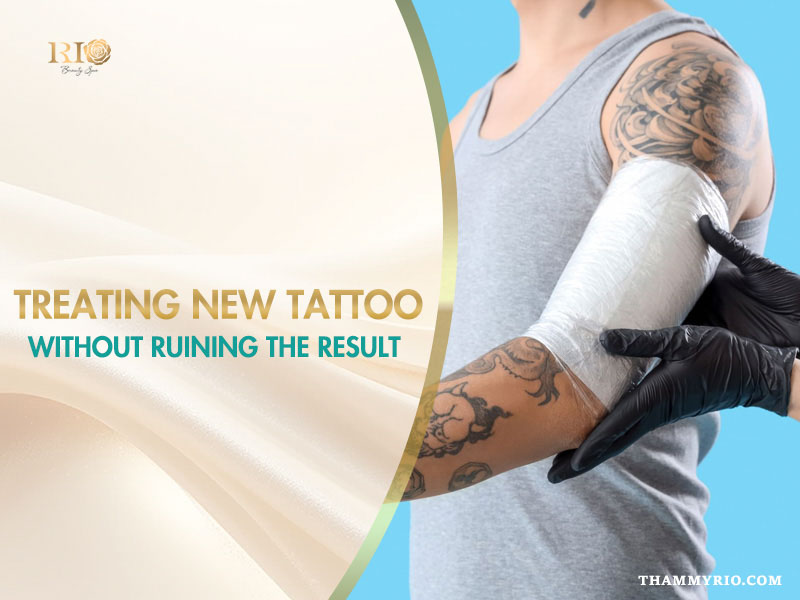
Getting fresh ink feels incredible, right? The adrenaline fades, leaving you with a beautiful piece of art. However, the true journey starts right after stepping out of the studio. Treating new tattoo correctly dictates how vibrant those colors remain over the years. Many individuals struggle to figure out the proper routine, risking faded lines or distressed skin. This comprehensive guide uncovers insider knowledge on maintaining your fresh artwork safely. You receive expert-backed strategies from top professionals. Let us explore the exact steps to keep your skin looking vibrant, crisp, and thoroughly protected.
How to treat tattoo in the first 24 hours for optimal healing
The initial hours after getting inked play a crucial role in the outcome. Your skin acts as an open canvas requiring immediate defense against environmental factors. Therefore, knowing how to treat tattoo correctly right from the start prevents early complications. The artist usually applies a protective wrap or breathable film before you leave. This barrier stops airborne pathogens from entering the sensitive area. You should leave this initial bandage on for the exact timeframe your artist specifies.
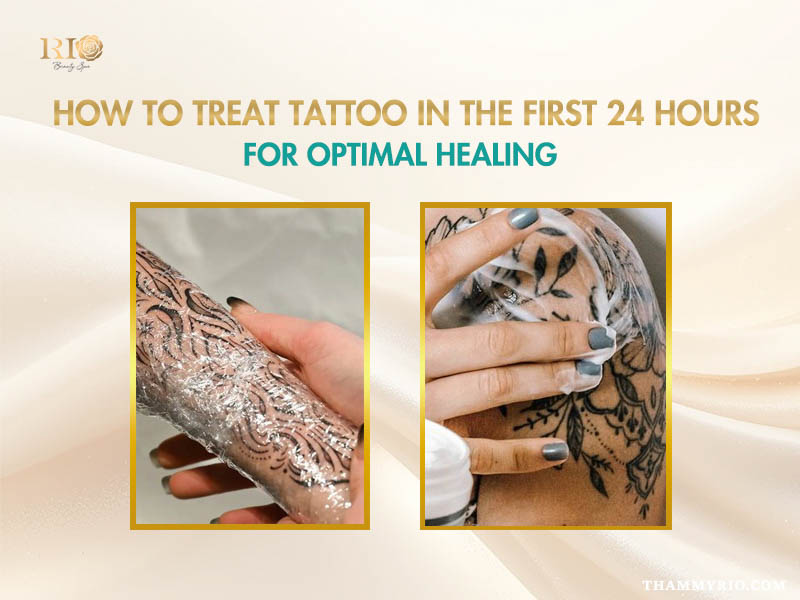
Usually, standard wraps stay on for two to four hours. Medical-grade breathable films might remain for up to 24 hours depending on the studio protocol. Once the time comes to remove the wrap, you must wash your hands thoroughly with antibacterial soap. Gently peeling off the tape prevents unnecessary trauma to the fresh ink. Proceed to wash the area using lukewarm water and a fragrance-free cleanser.
Gently massage the surface using only your fingertips to remove excess plasma and ink. Never use a washcloth or loofah during this delicate stage. Pat the area dry using a clean paper towel instead of a cloth towel. Cloth towels harbor bacteria and leave microscopic fibers on the wet surface. Applying a very thin layer of approved ointment completes the first critical step of tattoo treatment.
Selecting the best tattoo treatment for rapid healing
Finding the right balance of moisture and breathability accelerates the regeneration process. Skin needs hydration to recover, yet too much moisture suffocates the pores. Consequently, choosing the best tattoo treatment involves understanding your specific skin type and the climate you live in. Ointments provide a thick barrier during the first few days. They lock in the body’s natural moisture while keeping outside elements away from the vulnerable area.
However, transitioning to a lighter lotion becomes necessary as the days pass. Around the third or fourth day, the surface begins to peel and flake. A fragrance-free, water-based lotion soothes the inevitable itchiness without clogging pores. You must apply these products sparingly. A pea-sized amount usually covers a medium-sized piece adequately.
Over-moisturizing causes the skin to become overly soft, potentially leading to ink loss. Under-moisturizing leads to severe scabbing and cracking, ruining the crisp lines of your artwork. According to dermatological studies published by the American Academy of Dermatology, proper hydration significantly reduces recovery time. Therefore, maintaining that perfect balance dictates the final look of your piece.
A daily treating new tattoo routine that actually works
Consistency remains the secret ingredient for vibrant, long-lasting body art. Treating a new tattoo demands a strict daily regimen until the surface fully recovers. You must wash the piece twice a day, usually morning and night. Use a gentle, unscented soap to cleanse the area carefully. Rinse with lukewarm water to soothe the skin without causing thermal shock.

Always pat dry with a fresh paper towel. Let the skin air out for a few minutes before applying any moisturizer. This brief breathing period allows any residual moisture to evaporate. Apply a sheer layer of your chosen lotion, rubbing it in gently until fully absorbed. The skin should feel hydrated but never greasy or sticky to the touch.
You must wear loose, breathable clothing over the area during the recovery weeks. Tight fabrics rub against the sensitive skin, causing irritation and premature peeling. Keep the piece entirely out of direct sunlight. UV rays act as a laser, breaking down the pigment particles and causing severe fading. Submerging the piece in baths, pools, or the ocean remains strictly prohibited until the surface fully seals.
Treating new tattoo with the best products for healthy skin
The market offers endless options, but natural, minimalist formulas consistently perform best. Treating new tattoo surfaces requires ingredients that nourish without overwhelming the pores. Look for products containing shea butter, jojoba oil, or panthenol. These elements mimic the natural oils of your body, promoting swift cellular turnover. Avoiding harsh chemicals and artificial fragrances prevents aggressive allergic reactions.
Petroleum-based products trap heat and bacteria against the skin. They create an impenetrable shield, preventing the necessary oxygen from reaching the healing cells. Opt for products specifically formulated for sensitive skin recovery. Many professional artists recommend natural salves for the first few days. As the piece transitions to the peeling phase, standard unscented body lotions work perfectly.
Always check the ingredient list for hidden irritants like alcohol or synthetic dyes. Alcohol dries out the surface aggressively, causing deep, painful scabs. Investing in high-quality products safeguards your expensive artwork. If you ever consider changing your artwork later, proper initial care makes a procedure to remove tattoo or cover-up much smoother. Healthy skin responds better to any future modifications.
When to ask for help during tattoo treatment
Treating new tattoo requires close attention, and knowing when to reach out to an expert makes a massive difference in your healing journey.
When your tattoo artist should be your first contact for treating a new tattoo
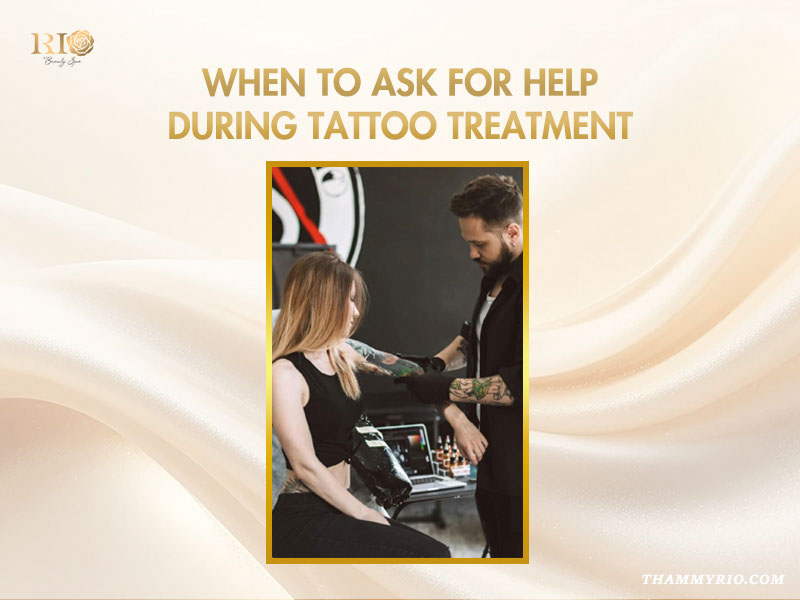
Your artist understands the specific ink and techniques used on your body. If you notice unusual flaking, heavy ink weeping, or persistent redness, contact them immediately. They offer tailored advice based on their extensive experience with various skin types. Sometimes, what seems alarming ends up being a normal part of the process. An experienced professional calms your worries and adjusts your routine if necessary.
In cases where the outcome needs adjustment or correction later, consulting top-tier specialists becomes essential. For instance, the Grand Masters at Rio Beauty Clinic possess over 20 years of expertise. Professionals like Artist Grand Master Pham Thanh Tam and Expert Tran Manh Thang provide unparalleled insights into skin recovery and aesthetic modifications. They utilize advanced technology like the Rio Laser Ultra Series and Picotech Advance Laser for precise corrections.
Whether you need a simple touch-up or a complex laser tattoo removal, trusting certified experts yields optimal results. They understand how different pigments react, offering solutions for even the most stubborn colors. If you wonder does tattoo removal hurt, these experts utilize the Spectra ND Yag Laser to minimize discomfort. Their extensive knowledge of the aftercare for tattoo laser removal keeps your skin pristine.
When to treat tattoo with medical care instead of home care
Some symptoms require immediate attention from a healthcare professional. Severe, throbbing pain radiating from the area indicates a deeper issue. If the redness expands significantly or feels intensely hot to the touch, seek professional medical care. Pockets of yellow or green fluid signal an active infection requiring prescription medication. You must never ignore these warning signs hoping they resolve independently.
Red streaks spreading from the artwork toward your heart demand emergency care. Fever, chills, or extreme fatigue accompanying skin changes point to systemic issues. A healthcare provider prescribes appropriate oral or topical antibiotics to combat the problem. Delaying professional care risks irreversible damage to the artwork and your overall health. Prioritize your well-being above all else during this delicate period.
How to describe symptoms clearly and quickly when treating a new tattoo
Effective communication expedites getting the right help. When contacting a professional, provide a clear timeline of the symptoms. Note exactly when the redness, swelling, or pain started escalating. Take high-resolution photos in natural lighting to show the current state of the skin. Describe the type of pain accurately, whether it feels itchy, burning, throbbing, or sharp.
Mention the exact products you used for your tattoo treatment over the past few days. Detail your washing routine and any exposure to potential irritants like sun or pet dander. Clear, concise information allows the expert to assess the situation rapidly. Avoid vague terms; instead, use descriptive language to paint a precise picture of the issue.
Ready to achieve flawless skin or need expert advice on your next aesthetic journey? Contact the masters at Rio Beauty Clinic System for premium treatments and services:
Hotline and WhatsApp: +84 966 941 999 or +84 963 246 533
Email: Telesale.riostudio1@gmail.com
Instagram: tham.my.rio.beauty.clinic
Fanpage: Rio Beauty Clinic






Có thể bạn quan tâm:
Laser removal eyebrows that reveal real results
Have you ever looked in the mirror wishing those harsh arches
Treating new tattoo without ruining the result
Getting fresh ink feels incredible, right? The adrenaline fades, leaving you
Big tattoo removal: what nobody tells you first
That sprawling back piece or full sleeve once defined your identity,
Salt tattoo removal at home what you need to know first
Got a regrettable ink decision staring back at you every morning?
Under eye laser treatment before and after results
Many people feel that their eyes betray their true age or
Microblading removal before and after that surprises
Deciding to alter your appearance through semi-permanent makeup often brings excitement,