


You have just invested in your beauty with a fresh lip procedure, and the excitement of waking up with vibrant color is undeniable. However, the secret to retaining that gorgeous pigment and ensuring a smooth recovery lies entirely in how you manage the days following your appointment. Effective lip tattoo care is the bridge between the initial procedure and the lasting, flawless results you desire.
How lip tattooing affects the skin and lips
Understanding the physiology of your skin is the first step in mastering lip tattoo care because it helps you interpret what your body is experiencing.
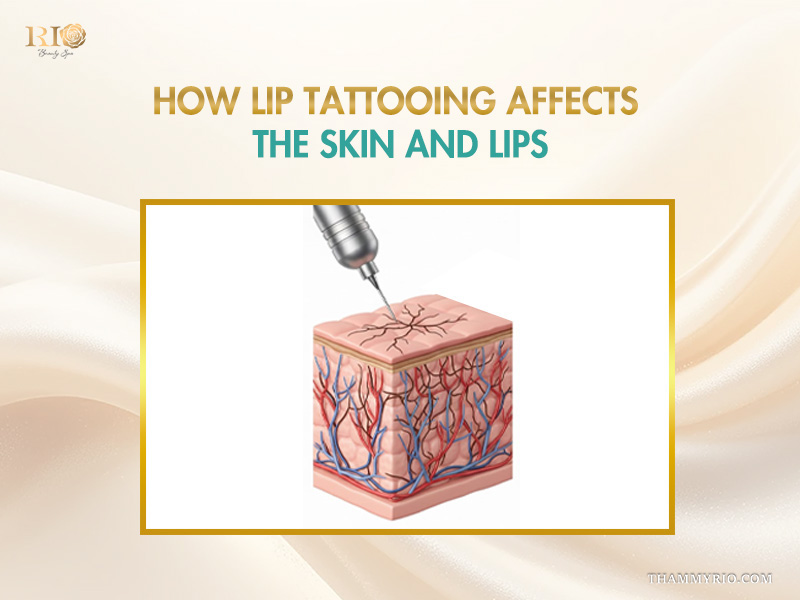
What happens beneath the lip surface during tattooing
During the procedure, a specialized device implants pigment into the dermal layer of your lips through thousands of tiny micro-perforations. Your body naturally perceives this as a minor injury and immediately activates its immune response to heal the area. This biological reaction involves rushing blood and lymph fluid to the surface, which causes the initial swelling and vivid color you see right away. The skin on the lips is exceptionally thin compared to the rest of the face, making it far more delicate and reactive to these micro-abrasions.
Why proper lip tattoo care determines final color
The way your lips heal directly dictates how much pigment remains in the skin after the crusting phase ends. Lip tattoo care is crucial because if the healing process is interrupted by picking, infection, or improper hydration, the pigment can be pushed out or heal unevenly. Your body is trying to reject the foreign substance (the ink), and your aftercare routine is essentially persuading the skin to accept and seal it in. Consistent care ensures the color settles evenly rather than becoming patchy or fading prematurely.
Immediate lip tattoo care after the procedure
Your journey with lip tattoo care begins the moment you leave the studio, and these initial hours are critical for preventing infection and managing comfort.
The first 24 hours lip tattoo care: swelling, sensitivity, and protection
In the first day, your lips will likely feel tender, tight, and may appear significantly larger due to swelling. You should gently blot any clear lymph fluid that rises to the surface with a clean tissue to prevent thick scabs from forming later. Applying a cold compress wrapped in a clean barrier can help reduce inflammation, but you must never apply ice directly to the compromised skin. Keeping the area clean and protected from airborne bacteria is your primary defense during this vulnerable window.
What is normal and what is not after lip tattooing
It is vital to distinguish between a standard healing response and signs of complication while practicing lip tattoo care at home. Moderate swelling, redness, and a sensation similar to a sunburn are entirely expected and indicate your body is repairing itself. However, if you experience excessive heat, spreading redness, or discharge that is yellow or green, these could be indicators of an issue requiring professional attention. Recognizing these signs early allows you to adjust your routine or seek advice before the pigment is compromised.
Lip tattoo care stages explained clearly
Navigating the timeline of recovery becomes much easier when you understand that lip tattoo care must adapt to the changing needs of your skin over several weeks.
Early healing: bold color, tightness, and dryness
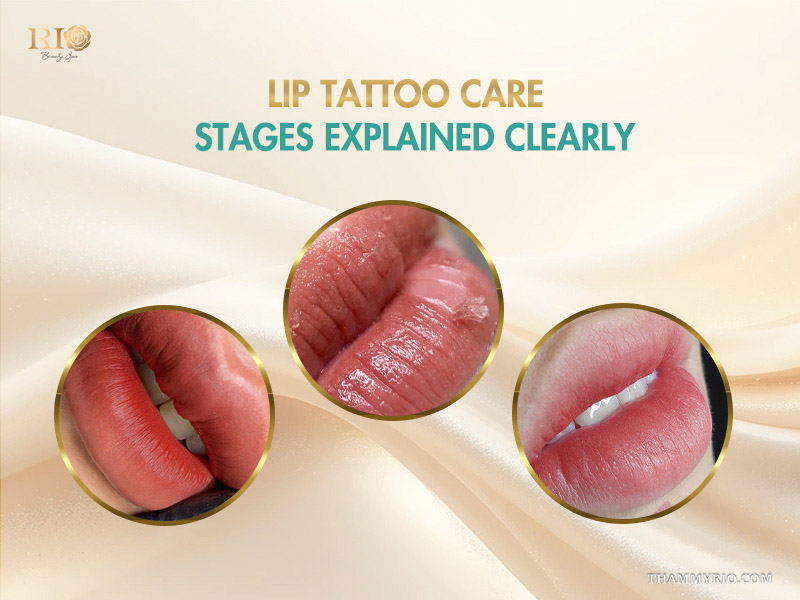
For the first few days, the pigment will look incredibly dark and intense, often described as a “lipstick look” that might feel too bold. Your lips will also feel very tight and dry as the skin begins to close up and form a protective layer over the pigment. This intensity is temporary and is caused by the oxidation of the pigment and the healing skin sitting on top of the color. You must resist the urge to panic about the darkness, as it will soften significantly.
Mid- lip tattoo aftercare: peeling, lightening, and color adjustment
Around day three or four, the skin will begin to exfoliate naturally, leading to peeling or flaking that can look unappealing. This is the most difficult part of lip tattoo care because you must allow the skin to shed on its own without pulling or picking at the flakes. Pulling the skin off prematurely will rip the pigment out with it, resulting in empty spots or uneven tone. During this phase, the color underneath may appear to have disappeared or turned milky, which is a phenomenon often called “ghosting.”
Final lip tattoo care healing: stabilized tone and natural finish
After the surface skin has fully shed, the color will slowly reappear and settle into its true tone over the next few weeks. The deep, deeper layers of the skin continue to heal even after the surface looks normal, allowing the pigment to bloom back to the surface. Your lip tattoo care routine can relax slightly at this stage, focusing on general hydration and sun protection. The final result is usually softer and more natural than the initial application, giving you the permanent tinted lips look you aimed for.
Essential lip tattoo aftercare routines
A disciplined and correct lip tattoo care regimen is the only way to guarantee your investment results in beautiful, healthy lips.
How to clean and moisturize tattooed lip tattoo care safely
You should clean your lips morning and night with lukewarm water and a gentle, fragrance-free cleanser to remove bacteria and food particles. After washing, gently pat the area dry with a clean paper towel instead of rubbing with a cloth towel which can harbor bacteria. Applying a thin layer of the recommended aftercare balm or moisturizer keeps the scabs flexible and prevents them from cracking and bleeding. Over-moisturizing can be just as harmful as under-moisturizing, so apply just enough to keep the lips supple.
Products and ingredients that support lip tattoo healing
The products you choose for lip tattoo care should be free from active acids, heavy fragrances, or exfoliants that could irritate the fresh wound. Ingredients like Vitamin E, shea butter, or specific ointments provided by your artist are excellent for soothing the skin and promoting cell regeneration. You should generally avoid petroleum-based products if possible, as they can sometimes suffocate the skin and trap bacteria if not used correctly. Using high-quality, breathable hydration helps the lips recover faster while locking in the lip blush cost worth of pigment.
What to avoid during lip tattoo aftercare
Knowing what not to do is just as important as knowing what to do when it comes to successful lip tattoo care and pigment retention.
Foods, habits, and activities that fade pigment
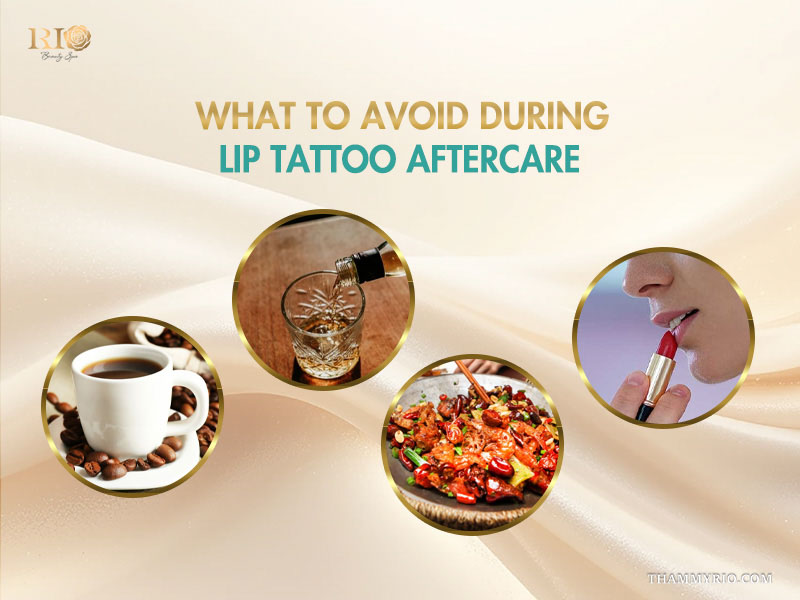
Spicy, salty, and acidic foods should be strictly avoided for the first week as they can sting the open skin and cause blisters or pigment loss. You should drink liquids through a straw to prevent contact with the lips and avoid hot soups or beverages that generate steam and heat. Activities that induce heavy sweating, such as intense gym sessions or saunas, push sweat through the pores and can expel the pigment before it settles. Furthermore, avoid smoking, as the chemicals and the physical act of pursing lips can hinder the healing process.
Common mistakes that slow down lip tattoo aftercare
The most frequent mistake in lip tattoo care is picking at the scabs or dry skin, which inevitably leads to scarring and color loss. Another error is applying makeup, such as lipstick or foundation, directly on the healing area before it has fully closed, introducing bacteria to the wound. Sleeping on your face can also cause friction and swelling, so it is advisable to sleep elevated on your back during the initial days. Ignoring these precautions can extend your healing time and require more extensive touch-ups later.
How lip tattoo care affects color retention
Your dedication to lip tattoo care is the primary variable that influences how long your new lip color will last and how vibrant it stays.
Why lips may appear faded before true color returns
It is common for clients to feel disappointed during the “ghosting phase” when the color seems to vanish completely after peeling. This happens because a fresh layer of collagen-rich skin forms over the pigment, temporarily obscuring it from view. Proper lip tattoo care requires patience here, as the color has not left; it is simply hiding beneath the healing tissue. As the skin matures and becomes translucent again, the pigment will re-emerge.
When to expect stable and long-lasting results
You will typically see the true, healed color of your lips around the six to eight-week mark post-procedure. At this point, the skin is fully recovered, and you can evaluate whether the tone is even and if the shape is perfect. Consistent lip tattoo care ensures that when this time comes, the color is as saturated and defined as possible. This is the ideal time to schedule a follow-up appointment if you need any adjustments to the density or shape.
Lip tattoo care for different techniques and styles
Different artistic methods require slight variations in lip tattoo care to accommodate the specific trauma and pigment load applied to the skin.
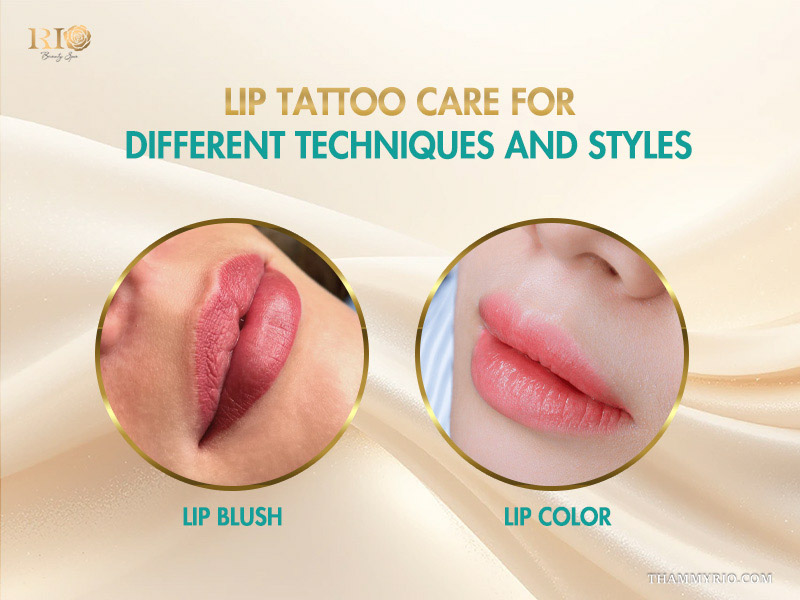
Lip blush aftercare versus full lip color aftercare
Lip blushing is a sheerer technique that typically heals faster and with less crusting than a full lipstick effect tattoo. The lip tattoo care for a full color saturation involves managing thicker peeling and potentially more swelling due to the higher density of needle passes. Regardless of the style, hydration remains key, but full lip color may require a longer period of avoiding stretching the lips.
Lip tattoo aftercare differences based on pigment depth and method
Techniques that deposit pigment deeper or use different machine speeds might result in more lymph fluid production initially. Lip tattoo care for deeper implantation often requires more diligent cleaning to prevent thick scab formation that could pull out color. Whether you have had a lip liner tattoo or a full shading, listening to the specific instructions given for your skin type is essential.
Touch-ups and long-term lip tattoo care maintenance
Maintaining your look goes beyond the first month; long-term lip tattoo care ensures your investment looks fresh for years.
When a lip tattoo touch-up is truly needed
A touch-up is usually recommended 6 to 8 weeks after the first session to fill in any areas that may have healed unevenly. Even with perfect lip tattoo care, some skin types naturally reject pigment in certain spots, making the second session necessary for perfection. After this initial refinement, you might only need a color boost every 1 to 3 years depending on how your skin holds the color.
Daily habits that help preserve lip tattoo color
Sun exposure is the number one enemy of tattoo pigment, so applying a lip balm with SPF should become a daily habit. Keeping your body hydrated by drinking water helps the skin maintain its elasticity and glow, which enhances the appearance of the tattoo. Continuing good lip tattoo care habits like exfoliating gently and moisturizing will keep the color looking vibrant rather than dull.
Who needs extra attention in lip tattoo aftercare
Certain physiological factors mean that some individuals must be more rigorous with their lip tattoo care to achieve the same results as others.
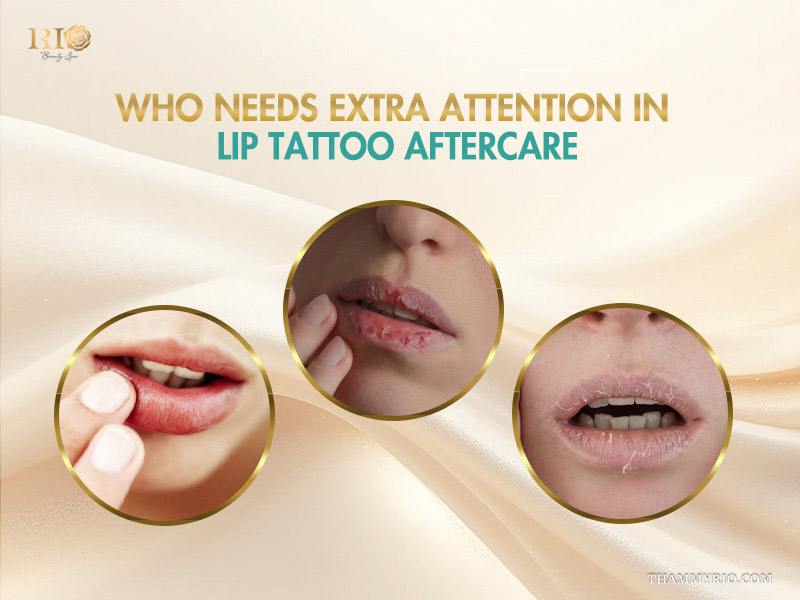
Sensitive skin, dry lips, and first-time clients
If you have a history of cold sores, you must take antiviral medication before and after the procedure to prevent an outbreak triggered by the trauma. People with naturally dry or chapped lips need to focus heavily on hydration in their lip tattoo care routine to prevent cracking during healing. First-time clients often experience more anxiety, so sticking strictly to the guidelines helps provide peace of mind.
Factors that may extend the lip tattoo lip tattoo care time
Underlying health conditions like diabetes or autoimmune disorders can slow down the body’s natural healing rate. In these cases, lip tattoo care must be practiced with extreme hygiene caution for a longer period to prevent infection. Lifestyle choices like high stress or poor diet can also impact how quickly the skin regenerates.
Ready to wake up with perfect lips every day?
At Rio Beauty Clinic, we combine over 20 years of expertise with world-class artistry to deliver safe, stunning lip transformations. If you are ready to enhance your natural beauty with the best care in the industry, we are here to guide you every step of the way.
Contact Rio Beauty Clinic System in Vietnam:
- Hotline & WhatsApp: +84 966 941 999 (+84 963 246 533)
- Email: Telesale.riostudio1@gmail.com
- Official nstagram: https://www.instagram.com/tham.my.rio.beauty.clinic
- Fanpage: Rio Beauty Clinic
- Website: https://thammyrio.com/en
Lip tattoo care FAQs
We understand that you may still have specific questions regarding lip tattoo care, and addressing them is part of our service to you.
Can poor lip tattoo aftercare ruin a lip tattoo result
Yes, neglecting your aftercare can lead to patchy color, scarring, or even infection that distorts the lip line. The success of the procedure is 50% the artist’s skill and 50% your adherence to the healing protocol.
Can I wear makeup during the lip tattoo aftercare period
You should avoid applying makeup on the lips or the immediate surrounding skin until the peeling phase is completely finished. Makeup contains bacteria and can block the skin from breathing, which disrupts the healing process.
Can improper lip tattoo care permanently affect the final lip color?
Absolutely, picking at scabs can pull pigment out of the dermis, leaving permanent white spots or uneven texture. Sun exposure without protection during the early weeks can also cause the pigment to shift in color or fade rapidly.
How does lip tattoo aftercare differ between the first session and touch-up sessions?
The process is generally the same, but the healing after a touch-up is often faster and less intense because less surface area is being traumatized. However, you must still follow the same hygiene and hydration protocols to ensure the new pigment bonds correctly.
Is it normal for lips to feel uneven or patchy during lip tattoo care?
It is completely normal for lips to look uneven during the peeling and “ghosting” phases of recovery. You should wait the full 6-8 weeks for the color to bloom back to the surface before judging the evenness.
How long should strict lip tattoo care be maintained before returning to normal routines?
You should maintain strict care for about 7 to 10 days, or until all peeling has finished. After this, you can return to your normal routine but should continue to protect your lips from strong sun and dehydration.






Có thể bạn quan tâm:
Get hybrid brows near me in Hanoi at 3 most trusted studios
Searching for hybrid brows near me in Hanoi leads to a
5 best ombre brows near me in Hanoi for stunning results
Many people search for ombre brows near me in Hanoi to
Digital microblading vs microblading which wins in 2026
Modern beauty standards evolve toward hyper-realism, making digital microblading the dominant
Powder brows after 1 year: Faded or still flawless
Searching for a long-term solution to sparse arches often leads beauty
Nano brows after 1 year: what really changes?
The evolution of your facial features often centers on the precision
Elevate your beauty routine with microblading and makeup synergy
Achieving beautiful brows involves understanding how microblading and makeup function together.